

Table of Contents
- Why Brew Darjeeling Fusion CTC Chai the Right Way?
- Step 1: Choose Quality Darjeeling Fusion CTC Tea Leaves
- Step 2: Measure the Perfect Tea Quantity
- Step 3: Use Fresh, Filtered Water
- Step 4: Achieve the Ideal Water Temperature
- Step 5: Brew Darjeeling Fusion CTC with Precision Timing
- Step 6: Add Your Milk and Sweetener Correctly
- Step 7: Strain and Serve Your Perfect Cup
- Pro Tips for Brewing Darjeeling Fusion CTC Chai
- Frequently Asked Questions
Why Brew Darjeeling Fusion CTC Chai the Right Way?
When it comes to enjoying authentic Indian chai, knowing how to brew Darjeeling Fusion CTC Chai properly transforms your entire tea experience. This isn’t just about boiling water and adding tea leaves—it’s about unlocking the complex flavours, delicate aromatics, and smooth body that make this blend special. Brew darjeeling fusion chai correctly, and you’ll discover why chai lovers across India have cherished this blend for generations.
The art of brewing Darjeeling Fusion CTC Chai lies in understanding how the marriage of bold Assam CTC and prized Darjeeling Second Flush Black Tea creates a unique profile. When you brew darjeeling fusion improperly, you risk over-extraction that results in bitterness, or under-extraction that leaves your cup thin and flavourless. The difference between a mediocre cup and an extraordinary one comes down to precise technique, quality ingredients, and respect for tradition.
As April brings warmer temperatures across India, more chai enthusiasts are exploring how to brew the perfect cup—whether it’s a piping hot morning ritual or an iced version for the midday heat. Fresh n Flavour‘s Darjeeling Fusion CTC is carefully crafted for exactly this purpose. Understanding the optimal brewing method ensures you extract every bit of goodness from this premium blend. Let’s dive into the seven essential steps to brew darjeeling fusion CTC chai like a true connoisseur.
Step 1: Choose Quality Darjeeling Fusion CTC Tea Leaves
Before you even think about water temperature or steeping time, the foundation of exceptional chai starts with quality tea leaves. When you brew darjeeling fusion chai, you’re working with two distinct tea types: the malty, robust Assam CTC and the floral, delicate Darjeeling second flush. The quality of these leaves directly impacts the final cup.
CTC (Crush-Tear-Curl) processing creates leaves that are uniform, granular, and ideal for quick steeping in hot water. Darjeeling tea, particularly the second flush, offers a lighter body with subtle muscatel and fruity notes. A true Darjeeling Fusion CTC blend respects both components—neither dominates, but rather they complement each other beautifully.
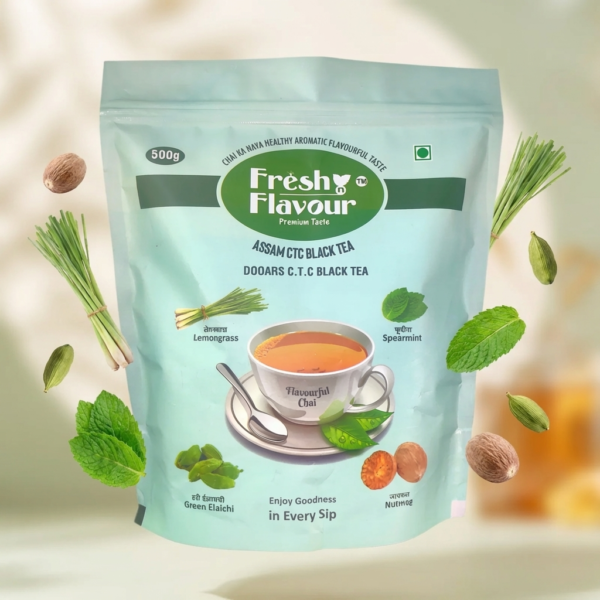
Fresh n Flavour sources their Darjeeling Fusion CTC from premium gardens and hand-blends it to maintain consistency and quality. When you purchase from trusted sources, you’re guaranteeing that every brew delivers the flavour profile you expect. Look for tea that smells fresh and aromatic, with visible spices (if blended) evenly distributed throughout. Avoid tea that smells stale or looks dusty—these are signs of poor storage or old stock.
Step 2: Measure the Perfect Tea Quantity
Precision matters when you brew darjeeling fusion CTC chai. The standard measurement for brewing darjeeling chai is one teaspoon (roughly 2-3 grams) of loose tea per 200ml cup of water, or approximately one rounded teaspoon per person plus one “for the pot” if serving multiple cups. This ratio ensures optimal flavour extraction without overshooting bitterness.
However, personal preference plays a role. If you prefer a lighter, more delicate cup that emphasises the Darjeeling notes, use slightly less—about 1.5 teaspoons per cup. For those who love a bolder, more robust chai experience, add an extra half teaspoon. The beauty of understanding how to brew darjeeling fusion CTC is learning your own sweet spot through experimentation.
Using a digital scale for precision is ideal if you’re serious about consistency. Weighing your tea ensures you’re using exactly 2.5-3 grams per serving every single time, eliminating variables. However, a good quality teaspoon works perfectly fine for home brewing. The key is consistency—measure the same way each time until you find what tastes best to you.
Step 3: Use Fresh, Filtered Water
Water quality is often overlooked but absolutely critical when you brew darjeeling fusion CTC chai. Hard water, chlorinated water, or water with mineral deposits can interfere with flavour extraction and create an unpleasant taste. The water you use should be clean, fresh, and ideally filtered or bottled.
If your tap water is heavily chlorinated, let it sit in an open container for 30 minutes before heating, allowing chlorine to evaporate. Even better, invest in an affordable water filter pitcher. When you brew darjeeling fusion with filtered water, you’ll immediately notice clearer, brighter flavours without any off-tastes masking the tea’s natural character.
Spring water or mineral water also works beautifully for brewing darjeeling chai. Avoid distilled water, which is too pure and can actually make tea taste flat. The ideal water has some natural minerals that complement the tea’s flavour profile. During April’s heat wave, make sure your water is stored in a cool place—heating water that’s already warm can affect flavour extraction.
Step 4: Achieve the Ideal Water Temperature
Water temperature is perhaps the most critical variable when you brew darjeeling fusion CTC chai. This is where many chai enthusiasts go wrong, either using boiling water that over-extracts and creates bitterness, or water that’s too cool and produces a weak, thin cup.
For brewing darjeeling fusion CTC chai, the ideal temperature range is 90-95°C (195-205°F). This specific range allows the robust CTC components to release their malty, bold character while preventing the more delicate Darjeeling notes from becoming overwhelming or bitter. At this temperature, you get the perfect balance—both tea types shine without either dominating unfairly.
To achieve this temperature without a thermometer, boil water and then let it cool for exactly 30-45 seconds. You’ll notice the water stops actively rolling and sits at a gentle simmer. This is your sweet spot for brewing darjeeling chai. If you have a kettle with temperature control, set it to 93°C for precision. Never pour boiling water directly onto the leaves—this is the single biggest mistake that ruins Darjeeling Fusion CTC chai. Take this step seriously; it’s the difference between sublime and unpleasant.
Step 5: Brew Darjeeling Fusion CTC with Precision Timing
Once your water reaches the ideal temperature and your tea leaves are measured, steeping time becomes your countdown to perfection. When you brew darjeeling fusion CTC chai, the optimal steeping time is 3-4 minutes. This window allows maximum flavour extraction without pushing into over-brewing territory.
Start with 3 minutes and taste. If you prefer a slightly stronger cup, add another 30 seconds. The CTC leaves are small and processed specifically for quick steeping, so they release flavour rapidly. After 4 minutes, tannins start over-extracting, creating harsh, astringent notes that mask the tea’s natural sweetness and complexity. Set a timer on your phone—even 30 extra seconds can be the difference between perfect and over-steeped.
Use a proper infuser or strainer so you can easily remove the leaves once time’s up. Leaving the leaves in contact with water longer than needed will continue extracting bitter compounds. If brewing darjeeling fusion in a teapot, ensure the lid is on to maintain heat and allow optimal steeping. The steam trapped under the lid helps release aromatic compounds that contribute to the overall experience.
Step 6: Add Your Milk and Sweetener Correctly
Traditional Indian chai culture often includes milk and sweetener, and when done correctly, these additions enhance rather than mask the tea’s natural flavours. The question is: when should you add milk to your cup after you brew darjeeling fusion CTC chai?
The answer depends on personal preference, but timing matters. If you pour milk directly onto freshly brewed hot chai, the milk can instantly cool the tea, reducing flavour perception. For optimal flavour, wait 20-30 seconds after pouring the brewed chai into your cup before adding milk. This allows the tea to reach a comfortable drinking temperature while maintaining enough heat to properly infuse with the milk.
The ratio of milk to tea is traditionally around 1:4 (one part milk to four parts brewed chai), though this varies by region and personal taste. When you brew darjeeling fusion CTC, you want enough milk to create a beautiful golden-brown colour, but not so much that it becomes a milky drink. Sugar or honey can be added to your taste—add these before milk, as they dissolve better in hot liquid. Fresh n Flavour’s Darjeeling Fusion CTC is naturally sweet, so many chai lovers find they need less additional sweetener than with other blends.
Step 7: Strain and Serve Your Perfect Cup
The final step in how to brew darjeeling fusion CTC chai perfectly is the strain and serve. After your 3-4 minute steeping time is complete, using a fine mesh strainer or tea infuser, carefully pour the brewed chai into your serving cup. This removes all tea leaves and ensures a smooth, clear cup without any sediment or bits floating on the surface.
The colour of properly brewed darjeeling fusion CTC chai should be a warm, rich amber to light brown—never too dark. If your chai looks almost black, you’ve over-steeped. If it looks pale yellow or tan, you’ve under-steeped. The ideal colour indicates you’ve extracted just the right amount of flavour compounds.
Serve immediately while the chai is still hot enough to fully appreciate the aromatic qualities. The warmth activates your taste buds and allows volatile aromatic compounds to reach your nose, enhancing the overall sensory experience. If you’re enjoying iced darjeeling chai (perfect for April’s heat), cool it properly by pouring into a glass with ice, which stops the brewing process immediately. Never chill hot chai in the refrigerator—this creates flat, dull flavours.
Pro Tips for Brewing Darjeeling Fusion CTC Chai
Use a Gooseneck Kettle: When you brew darjeeling fusion CTC chai using a gooseneck kettle, you have precise control over water temperature and pour rate. This allows for even saturation of leaves and better flavour extraction. The thin spout prevents splashing and gives you confidence during the critical pouring phase.
Pre-warm Your Cup and Teapot: Before brewing, pour a small amount of hot water into your cup and teapot, then empty it. This pre-warming ensures your brewed chai doesn’t lose heat quickly and maintains optimal drinking temperature longer. Temperature consistency is key when you brew darjeeling fusion CTC.
Don’t Crush the Leaves: CTC leaves are already broken down during processing. Never crush or agitate them further during or after brewing, as this releases unwanted tannins. Simply add them to hot water and let steeping happen naturally.
Experiment with Water Quality: If your local tap water is particularly hard or chlorinated, try brewing darjeeling fusion with different water sources. You might notice dramatic flavour differences. Spring water often produces noticeably brighter, cleaner-tasting chai.
Store Your Tea Properly: Once you’ve purchased your Darjeeling Fusion CTC, store it in an airtight container away from light, heat, and moisture. Properly stored tea maintains quality for up to 6 months. Exposure to air, light, or humidity degrades flavour compounds, making old tea taste stale no matter how perfectly you brew darjeeling fusion CTC.
Try Second Infusion: Quality CTC blends like Fresh n Flavour‘s Darjeeling Fusion can often be re-steeped. After removing the first infusion, add fresh hot water at the same temperature and steep for an additional 4-5 minutes. The second cup often reveals different flavour notes—sometimes more subtle, sometimes with different spice emphasis.
Brew in Batches: If you’re serving multiple people, brew directly in a teapot rather than individual cups. When you brew darjeeling fusion CTC in a teapot, you achieve more even flavour distribution. Use approximately 5 grams (about 1.5 teaspoons) per 200ml of water.
Seasonal Brewing Variations for April Heat
As we head deeper into April with temperatures soaring to 30-38°C across India, your brewing approach might shift slightly. For iced darjeeling chai, brew at the same temperature but increase steeping time to 4-5 minutes since iced versions need stronger flavour to remain perceptible when diluted with ice. Alternatively, brew a concentrated version using double the tea leaves and standard water, then dilute with milk and ice to taste.
Some chai lovers prefer cold-brewing during summer months. Place your measured tea leaves and room-temperature water in a jar, cover, and refrigerate for 6-8 hours. The slow extraction creates a smooth, less bitter cup perfect for hot weather. Strain and heat gently or serve cold with ice.
The Darjeeling Fusion CTC from Fresh n Flavour works beautifully in both hot and cold preparations. The blend’s balanced profile of Assam boldness and Darjeeling delicacy shines through regardless of serving temperature.
Common Mistakes to Avoid When Brewing Darjeeling Fusion
Mistake 1: Using Boiling Water — Boiling water (100°C) immediately over-extracts, creating harsh bitterness. Always wait 30-45 seconds after boiling before pouring.
Mistake 2: Steeping Too Long — Leaving tea leaves in water for 5+ minutes produces unpleasant astringency. Stick to 3-4 minutes maximum.
Mistake 3: Poor Water Quality — Chlorinated or hard water masks the delicate Darjeeling notes. Invest in filtering.
Mistake 4: Using Old Tea — Tea older than 6-8 months loses flavour volatility. Purchase from trusted sources like Fresh n Flavour that guarantee freshness.
Mistake 5: Not Measuring Properly — Guessing at tea quantity creates inconsistent results. Use a scale or standard teaspoon every time.
Mistake 6: Skipping the Pre-warm Step — Cold cups and teapots leach heat quickly. This 30-second pre-warming step makes a measurable difference.
Why Fresh n Flavour’s Darjeeling Fusion CTC Stands Out
When you brew darjeeling fusion CTC chai from Fresh n Flavour, you’re starting with an advantage. Their blend is hand-crafted from premium Assam and Darjeeling second flush CTC black tea, with no artificial flavours or additives. The tea is 100% natural and FSSAI-approved, meaning every leaf meets rigorous quality standards. This foundation makes every brewing method more forgiving and every cup more rewarding. You can focus on technique rather than worrying about ingredient quality. The motto “Enjoy Goodness in Every Sip” captures exactly what happens when you brew darjeeling fusion properly using premium leaves.
Many Indian tea brands cut corners with lower-grade leaves or unnecessary additives. Fresh n Flavour refuses to compromise. This commitment to quality means when you brew darjeeling fusion CTC, you’re experiencing the tea as it was meant to be—balanced, aromatic, and genuinely satisfying.
Troubleshooting Your Brew
If Your Chai Tastes Bitter: You’ve likely over-steeped or used water that was too hot. Try reducing steeping time to 2.5 minutes or lowering water temperature to 85-90°C. Check your water quality too—chlorinated water can create harsh flavours.
If Your Chai Tastes Weak or Watery: Under-steeping is the culprit. Increase time to 4 minutes or add a bit more tea. Ensure your water temperature is in the 90-95°C range—water that’s too cool won’t extract enough flavour.
If Your Chai Looks Murky or Cloudy: You might be using very soft water, or the tea leaves are creating fine particles. This isn’t necessarily a sign of poor brewing, though using a finer strainer can help. The flavour might still be excellent.
If Your Chai Cools Too Quickly: Pre-warm your cup and teapot with hot water before brewing. Use a cup with better insulation, or add your milk immediately to reduce cooling rate while maintaining flavour integrity.
Learning to troubleshoot means you’re actively engaged in perfecting your technique. This mastery is what separates casual chai drinkers from true chai enthusiasts who understand that brewing darjeeling fusion CTC is both science and art.
Frequently Asked Questions
Q: What’s the difference between brewing darjeeling fusion CTC and regular CTC chai?
A: Darjeeling Fusion CTC contains premium Darjeeling second flush tea, which is more delicate than regular CTC. This requires slightly lower water temperature (90-95°C vs. 95-100°C) to prevent over-extraction. The Darjeeling component adds floral and fruity notes that need gentler brewing to shine. Regular CTC is more robust and forgiving of higher temperatures, but brew darjeeling fusion more carefully to appreciate its complexity.
Q: Can I reuse darjeeling fusion CTC tea leaves for multiple infusions?
A: Yes, absolutely. Quality darjeeling fusion CTC leaves like those from Fresh n Flavour can be re-steeped 1-2 times. After the first 3-4 minute steep, pour off the tea completely. Add fresh hot water at the same temperature and steep for 4-5 minutes for the second infusion. The second cup often has different flavour characteristics—sometimes more subtle, sometimes emphasizing different spice notes. A third infusion is possible but will be quite weak.
Q: Is it better to brew darjeeling fusion CTC in a teapot or individual infuser?
A: Both methods work well. Teapots are ideal if serving multiple people—you achieve more even flavor distribution and can keep the pot warm. Individual infusers are perfect for single cups and offer more control over brewing time. Choose based on your situation. The important thing is ensuring leaves can fully expand and have contact with water, so use infusers or strainers with enough space.
Q: How should I brew darjeeling fusion CTC if I only have boiling water available?
A: Wait 45-60 seconds after boiling before pouring. You can also boil water in a kettle, then pour into a cup to cool slightly before adding tea. Another option: add a splash of cold water to the cup right after pouring boiling water—this brings temperature down immediately. Alternatively, brew at a slightly higher temperature (95-100°C) but reduce steeping time to just 2-2.5 minutes to compensate. This isn’t ideal but produces acceptable results when temperature control isn’t possible.
Q: Should I brew darjeeling fusion CTC differently during summer heat versus winter?
A: During hot months like April, you might prefer iced versions—brew normally then chill, or cold-brew in a jar for 6-8 hours. The brewing temperature and time remain the same for hot preparations. Cold-brewing is gentler and creates smoother flavour. Winter brewing stays the same—your hot water cools slightly before reaching the cup, so actual brewing temperature naturally adjusts. No special changes needed; just enjoy your chai the way you prefer based on season.