

Table of Contents
As the early summer heat settles across India in April, there’s nothing quite like a perfectly brewed cup of chai to start your morning or refresh your afternoon. If you’re wondering how to brew darjeeling fusion chai that captures all its delicate floral notes and crisp character, you’ve come to the right place. The art of brewing darjeeling fusion CTC chai isn’t complicated, but it does require attention to detail and an understanding of what makes this premium tea distinctive.
Our Darjeeling Fusion CTC Chai is a masterfully crafted blend that combines the best of Darjeeling’s floral elegance with Assam’s robust character. Unlike ordinary tea bags, this premium CTC (Crush, Tear, Curl) blend demands proper brewing technique to reveal its complete flavour spectrum. Whether you’re a chai enthusiast or new to the world of Indian teas, understanding how to brew darjeeling correctly will transform your entire tea experience.
The term CTC refers to the processing method that creates those distinctive granules you see in our blend. These granules are designed to release their flavour quickly and efficiently, making CTC teas ideal for creating strong, flavourful cups. However, brewing darjeeling fusion requires more finesse than simply tossing tea into hot water and hoping for the best.
Understanding Darjeeling Fusion CTC Chai
Before we dive into the technical aspects of how to brew darjeeling, let’s understand what makes this tea special. Darjeeling, often called the “Champagne of Teas,” originates from the lush hills of West Bengal. The cool climate, misty mornings, and unique terroir create tea leaves with remarkable floral and fruity characteristics.
Our Darjeeling Fusion blend combines Darjeeling’s delicate notes with Assam’s bold strength. This fusion creates a balanced profile—you get the light, sophisticated character of Darjeeling without sacrificing the full body that chai lovers appreciate. The CTC processing ensures consistent quality and quick flavor extraction, making it practical for daily consumption while maintaining premium taste.
The fusion aspect is crucial. When you brew darjeeling fusion specifically, you’re working with a tea that bridges two great Indian tea traditions. Understanding this balance helps you appreciate why certain brewing parameters work better than others. The blend isn’t as delicate as pure Darjeeling, nor as heavy as pure Assam—it’s the perfect middle ground.
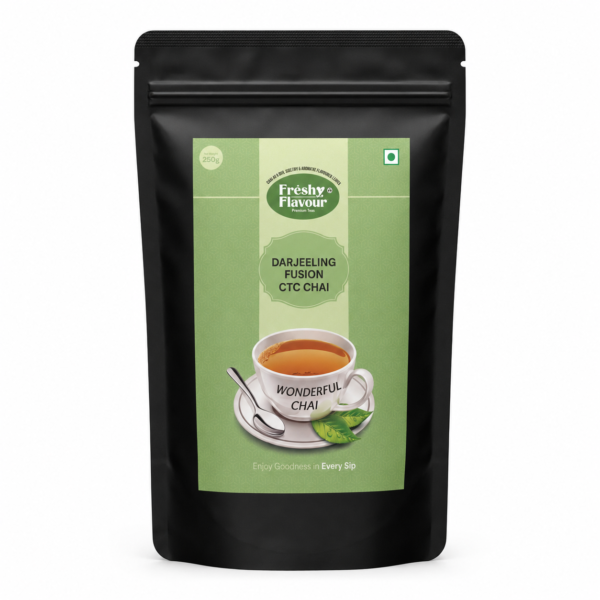
Try it yourself
Darjeeling Fusion CTC Chai
Darjeeling chai patti online — Darjeeling Fusion blends Assam CTC with Darjeeling Second Flush for muscatel sweetness. Premium…
(incl. GST)
Shop now →Why Water Quality Matters When You Brew Darjeeling
Many people overlook water quality, but when you brew darjeeling fusion CTC chai, water becomes your primary ingredient. Approximately 99% of your final cup is water, so its quality directly impacts your final flavour. Hard water, chlorinated water, and water with high mineral content can mask the delicate notes you’re trying to extract.
Ideally, use filtered water when you brew darjeeling. A simple carbon filter removes chlorine and sediment without stripping beneficial minerals completely. If your tap water is particularly hard, consider using bottled spring water. The goal isn’t to use distilled water—completely demineralized water can actually taste flat and won’t extract flavours optimally.
During the hot April season when temperatures soar, cold water brewing has become increasingly popular. However, cold water takes much longer to extract flavours. If you’re looking to brew darjeeling quickly, start with hot water. The general rule: use water that tastes good on its own, and your tea will taste exceptional.
Let water sit for a few minutes after boiling if you’re using tap water that’s been chlorinated. This allows some chlorine to dissipate. For best results with our Darjeeling Fusion CTC Chai, use fresh, filtered water every single time.
Perfect Temperature Guide to Brew Darjeeling Fusion
Temperature is absolutely critical when you brew darjeeling fusion CTC chai. Unlike delicate white or green teas that can burn at high temperatures, CTC teas are processed to handle boiling water. However, darjeeling fusion isn’t pure Assam—it retains some of Darjeeling’s sensitivity to temperature.
The ideal temperature range to brew darjeeling fusion is 85-90°C (185-194°F). This temperature is hot enough to extract the tea’s full-bodied character while preserving the delicate floral notes that make Darjeeling special. If you don’t have a thermometer, let boiled water cool for about 1-2 minutes before pouring—this is roughly the right temperature.
Water at 100°C (boiling) can be used, but may produce a slightly harsh or astringent cup. You might notice a metallic aftertaste or excessive bitterness. When you brew darjeeling, starting with slightly cooler water gives you more control over the final flavour profile. This is especially important in April’s heat, when you might actually want a cooler, more refreshing cup.
Here’s a practical tip: if brewing in a teapot, pre-warm the pot with hot water, then empty it before adding tea leaves. This may help support against temperature drop when you pour hot water over the leaves. Many chai enthusiasts use an insulated teapot for this reason—it maintains temperature consistency throughout the brewing process.
Mastering Steeping Time for Best Extraction
When you brew darjeeling fusion CTC, steeping time determines whether your cup is perfectly balanced or underwhelming. CTC teas extract quickly due to their processed form—the crushed leaves have increased surface area. For darjeeling fusion, the recommended steeping time is 3-4 minutes.
Here’s the breakdown: At 2 minutes, the tea will be lighter and more delicate—perfect if you prefer a gentler cup with prominent floral notes. At 3-4 minutes, you hit the sweet spot where the Assam character comes through while Darjeeling’s elegance remains present. Beyond 4 minutes, you risk over-steeping, which can create bitterness that overshadows the pleasant complexity you’re after.
The measurement: use one teaspoon of Darjeeling Fusion CTC Chai per 8-ounce cup of water. If you prefer a stronger cup, increase to 1.5 teaspoons rather than increasing steeping time. More tea leaves steep faster and more effectively than longer steeping times, which often just create bitterness.
Use a timer—seriously. When you brew darjeeling, it’s easy to get distracted and forget your tea steeping. Three minutes will pass quickly. Most of us have phones; set an alarm. This small discipline may help support against ruined cups and helps you understand exactly what the perfect steep time tastes like to your palate.
Advanced Techniques to Enhance Flavour
Once you’ve mastered the basics of how to brew darjeeling, you can experiment with advanced techniques. These methods reveal even deeper dimensions of your darjeeling fusion CTC chai and allow you to customize your cup perfectly.
The Two-Steep Method
When you brew darjeeling using the two-steep method, you extract maximum flavour while controlling intensity. First steep for 2 minutes at 85°C, remove the leaves, and drink the lighter, more delicate cup. This captures Darjeeling’s floral notes at their brightest. Then, re-steep the same leaves for 4 minutes—the second infusion will be bolder, revealing more Assam character. This technique shows you the full flavor journey of your tea.
Cold Brew Overnight
Perfect for April’s scorching heat, cold brewing is gaining popularity. To brew darjeeling fusion using cold water, place tea leaves in cold filtered water and refrigerate overnight (8-12 hours). The result? A naturally sweet, smooth cup with minimal bitterness. Cold-brewed tea is less caffeinated and more refreshing—ideal for afternoon chai during summer.
Blooming Technique
Professional tea sommeliers often use a “blooming” technique when they brew darjeeling. Pour just enough hot water to barely cover the tea leaves, let sit for 20-30 seconds, then add remaining water. This initial wetting helps leaves open evenly, ensuring consistent extraction. It’s a small step that can noticeably improve flavour balance.
Milk and Spices Pairings
While darjeeling fusion is exceptional on its own, you can enhance it with natural additions. A splash of milk softens the tea’s tannins and creates a creamy mouthfeel. A pinch of ginger (adrak) during brewing adds warmth—especially welcome as spring transitions toward summer heat. A few drops of honey after brewing adds natural sweetness without overpowering the tea’s character.
If you want a fully-spiced chai experience, explore our Tulsi Ginger CTC Chai, which combines immune-supporting ingredients with similar brewing principles.
Water-to-Tea Ratio Experiments
The standard ratio is 1 teaspoon per 8 ounces, but your preference might differ. To brew darjeeling that matches your taste exactly, experiment with ratios from 1 tsp per 10 oz (lighter) to 1.5 tsp per 8 oz (stronger). Keep notes on what you prefer—this personal calibration ensures every cup is exactly how you like it.
Seasonal Brewing Adjustments
In April’s early summer heat, you might prefer brewing at the lower end of the temperature range (85°C) and steeping for only 3 minutes. This creates a lighter, more refreshing cup suited to warm weather. In contrast, winter calls for boiling water and longer steeps for maximum warmth and body. As seasons change, your brewing approach can adapt accordingly.
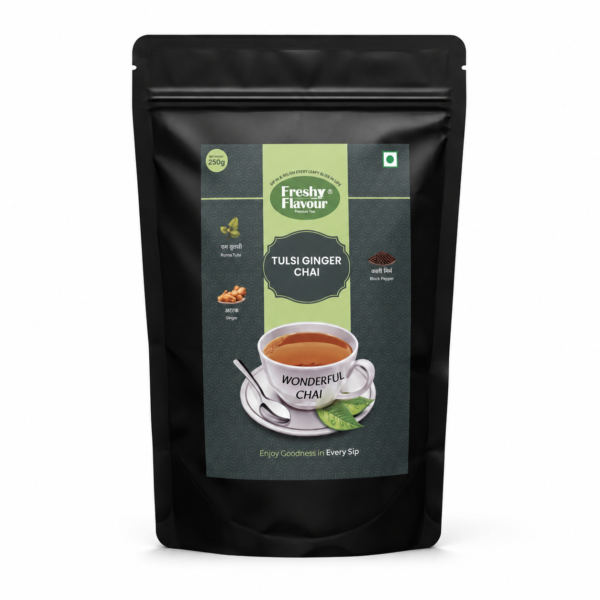
Try it yourself
Tulsi Ginger CTC Chai
★★★★★ (1)Tulsi Ginger chai patti online — holy basil + ginger + Assam CTC for immunity support. Premium chai…
(incl. GST)
Shop now →Common Mistakes When You Brew Darjeeling
Understanding what NOT to do is just as important as mastering the right technique. Here are frequent errors that ruin darjeeling fusion CTC chai:
- Using boiling water: Results in harsh, astringent cups. When you brew darjeeling at 100°C, you extract too many tannins too quickly.
- Over-steeping: Leaving tea in water beyond 4 minutes creates bitterness that masks the delicate fusion character.
- Poor water quality: Chlorinated or hard water interferes with flavour extraction. Always use filtered water when possible.
- Reusing old leaves multiple times: While re-steeping once or twice is fine, old leaves eventually produce muddy, flat-tasting cups.
- Storing tea improperly: Exposure to air, moisture, or strong odors degrades CTC tea quality. Keep tea in airtight containers away from sunlight.
- Not pre-warming the cup: Cold cups lower water temperature dramatically, affecting extraction. Warm your cup first.
Elevating Your Experience: The Philosophy of Tea Brewing
Learning to brew darjeeling fusion properly is more than just following steps—it’s developing a deeper connection with Indian tea culture. Chai has been central to Indian life for centuries, serving as a moment of pause, reflection, and social connection. When you brew darjeeling with intention and care, you’re participating in a tradition that spans generations.
The Japanese have a concept called “Ichi-Go Ichi-E” (一期一会)—”one time, one meeting.” It suggests that each cup of tea is a unique moment that will never come again. When you brew darjeeling, treat that moment with respect. Don’t rush through the process. Notice the aroma as leaves unfurl. Observe the colour transformation. Taste mindfully. This philosophy transforms a simple beverage into a mindful ritual.
Fresh n Flavour’s commitment to 100% natural, FSSAI-approved ingredients means that when you brew darjeeling fusion, you’re working with the finest materials. No artificial flavours, no questionable additives—just premium Darjeeling and Assam leaves, hand-blended with care. This quality demands equally careful brewing.
Seasonal Chai Variations for April’s Heat
As April brings intense heat across India, your chai preferences might shift. While darjeeling fusion is excellent year-round, this season calls for lighter, refreshing brews. Consider these variations when you brew darjeeling in summer:
Serve over ice with a splash of lemon—the citrus brightens the tea’s floral notes while cooling you down. A touch of honey dissolves beautifully in iced tea. Alternatively, enjoy it hot but at a cooler serving temperature (allow your cup to cool slightly after brewing). The ritual of holding a warm cup remains comforting even in heat.
If you prefer immune-supporting warmth despite the season, our Turmeric CTC Chai uses the same brewing principles but with added comfort-supporting benefits. Haldi (turmeric) works beautifully whether served hot or as a cold brew.
The Science Behind Quality Extraction
Understanding the science helps you appreciate why parameters matter when you brew darjeeling. Tea leaves contain over 700 chemical compounds—polyphenols (antioxidants), volatile aromatics (flavour compounds), caffeine, and amino acids like L-theanine.
Temperature affects extraction rates. Hot water dissolves compounds faster than cold water. However, different compounds extract at different temperatures and rates. Flavor compounds extract quickly, while tannins (which create astringency) extract more slowly at higher temperatures. When you brew darjeeling at 85-90°C for 3-4 minutes, you hit the sweet spot where flavor compounds are fully extracted before excessive tannins leach into your cup.
This is why precision matters. A few degrees cooler or a minute less steeping creates a noticeably different flavour profile. Tea is essentially botanical chemistry in a cup, and brewing is the controlled experiment that determines your results.
According to research from the history and composition of tea documented by leading tea science organizations, CTC processing specifically increases surface area available for extraction, which is why CTC teas like our darjeeling fusion brew faster and stronger than whole-leaf varieties.
Creating Your Personal Brewing Protocol
After understanding how to brew darjeeling fusion, create a personal protocol that becomes your ritual. Write down your preferences: your ideal water temperature, steeping time, tea-to-water ratio, and any additions you enjoy. Keep a brewing journal for a week—note what you notice about each cup.
This personal protocol becomes your tea signature. Guests who experience your darjeeling fusion CTC will recognize it as distinctly yours. This is how chai culture thrives—through personal mastery passed between friends and family members.
Share your brewing success with others. Invite someone to experience your perfectly-brewed cup. In Indian culture, chai is fundamentally a social beverage, a catalyst for conversation and connection. When you brew darjeeling with excellence, you’re creating more than just tea—you’re creating moments of joy and togetherness.
Final Tips for Mastering the Art
Your journey to mastering how to brew darjeeling fusion CTC chai has just begun. Here are final pearls of wisdom from chai enthusiasts worldwide:
- Invest in a good tea infuser or strainer—cheap mesh allows fine particles into your cup.
- Use filtered water consistently—it becomes a non-negotiable part of your process.
- Keep your tea fresh—buy smaller quantities more frequently rather than large stockpiles.
- Experiment within the recommended ranges—don’t deviate wildly from 85-90°C or 3-4 minutes initially.
- Trust your senses—if it looks, smells, and tastes good, you’ve succeeded.
- Practice consistency—brew the same way multiple times until you truly understand that tea.
When you brew darjeeling fusion CTC chai with these principles, you’ll discover that this isn’t just tea—it’s a pathway to mindfulness, cultural appreciation, and pure sensory pleasure. Every cup you create becomes a testament to your care and attention.
🍵 Experience Our Darjeeling Fusion CTC Chai
Master the art of brewing with our premium Darjeeling-Assam fusion blend. Hand-crafted, 100% natural, FSSAI-approved. Perfect for perfecting your brewing technique.
Shop Now →Shop the blends in this guide
Frequently Asked Questions
What is the ideal temperature to brew darjeeling fusion CTC chai?
The perfect temperature to brew darjeeling fusion is 85-90°C (185-194°F). This range extracts full flavour while preserving delicate floral notes. Boiling water can create astringency. Allow boiled water to cool 1-2 minutes before pouring to achieve the ideal temperature.
How long should I steep darjeeling fusion tea leaves?
Steep for 3-4 minutes for optimal flavour balance when you brew darjeeling fusion CTC. At 2 minutes, the cup is lighter and more delicate. Beyond 4 minutes, bitterness can develop. Use a timer to ensure consistency and discover your perfect steep time.
Can I brew darjeeling fusion with milk and spices?
Yes! Brew darjeeling fusion without additions first, then add milk, honey, or a pinch of ginger (adrak) after brewing. This preserves the floral notes while adding complementary flavours. A splash of milk creates creaminess without overpowering the tea’s character and complexity.
Is cold brewing possible for darjeeling fusion CTC?
Absolutely. To brew darjeeling fusion using cold water, place leaves in cold filtered water and refrigerate 8-12 hours. The result is a naturally sweet, smooth cup with minimal bitterness. Perfect for April’s heat, cold-brewed tea is less caffeinated and more refreshing than hot brewing.
What ratio of tea to water produces best results when I brew darjeeling?
Use one teaspoon per 8-ounce cup for standard strength when you brew darjeeling fusion. For a stronger cup, increase to 1.5 teaspoons rather than extending steeping time. Adjusting leaf quantity gives better control over strength without creating bitterness.
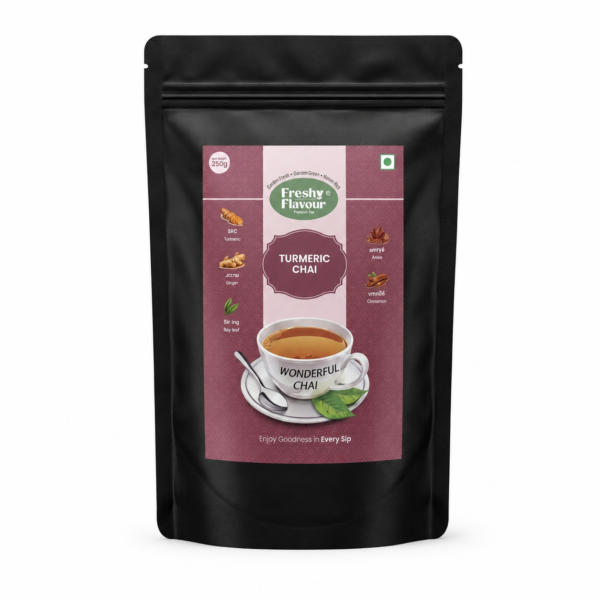
Try it yourself
Turmeric CTC Chai
Turmeric chai patti online — haldi + ginger + cinnamon + Assam CTC for golden wellness. India's premium…
(incl. GST)
Shop now →