

Table of Contents
- How Chai traditionally valued for relaxation Through Ancient Wisdom
- The Science Behind Chai traditionally valued for relaxation and Anxiety
- Chai Reduces Mental Fatigue and Boosts Focus
- Best Chai Blends for relaxation support and Calm
- How to Brew the Perfect Stress-Busting Cup
- Frequently Asked Questions
In our fast-paced world, chai traditionally valued for relaxation and anxiety in ways that modern wellness experts are only now fully understanding. For centuries, Indians have known that a warm, aromatic cup of chai isn’t just a beverage—it’s a ritual of calm, a moment of mindfulness, and a powerful tool for mental clarity. Whether you’re battling the pre-summer heat of April or the pressures of daily life, discovering how chai traditionally valued for relaxation can be transformative for your mental health.
Fresh n Flavour’s premium chai patti blends are crafted specifically to harness these stress-relieving properties. With our tagline “Enjoy Goodness in Every Sip,” we’ve mastered the art of combining Assam and Dooars tea leaves with real spices and herbs—each ingredient chosen for its wellness benefits. In this guide, we’ll explore the science, tradition, and practical ways that chai traditionally valued for relaxation, sharpens mental focus, and improves your overall cognitive performance.
How Chai traditionally valued for relaxation Through Ancient Wisdom
The tradition of chai drinking has deep roots in Indian culture, spanning thousands of years. Ayurvedic texts describe chai not merely as a beverage but as a comforting elixir designed to balance the doshas and calm the nervous system. The practice of slowing down to prepare and sip chai is itself a form of meditation—a moment where chai traditionally valued for relaxation simply by creating space for pause in your busy day.
When you hold a warm cup of chai in your hands, your nervous system begins to relax. The warmth triggers a parasympathetic response—your body’s relaxation mode activates. This is especially valuable during the hot April season when stress levels often spike due to heat and humidity. The ritual itself becomes a grounding practice, reminding you to breathe, slow down, and reconnect with the present moment.
The spices in traditional chai—cardamom, ginger, clove, and cinnamon—have been used in Ayurvedic medicine for millennia. These aren’t random ingredients; each one was selected for its specific ability to support mental calm. Ginger, for instance, is known as “adrak” in Hindi, and it’s revered for grounding the mind. When multiple spices work together in a well-crafted blend, chai traditionally valued for relaxation through a synergistic effect that goes beyond what any single ingredient can achieve.
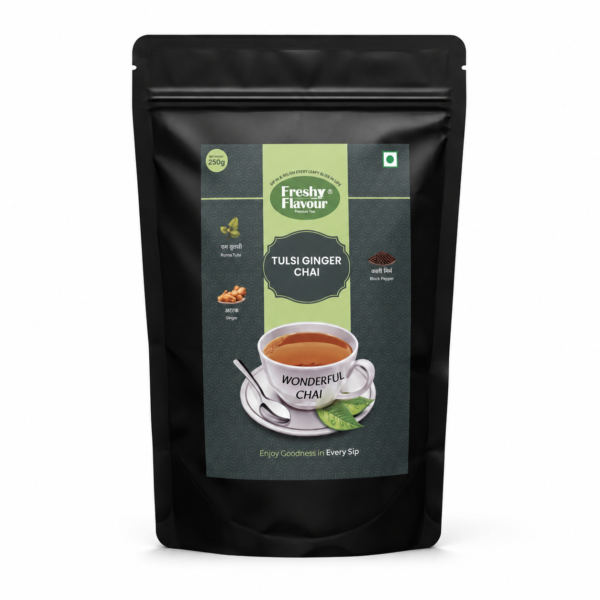
Try it yourself
Tulsi Ginger CTC Chai
★★★★★ (1)Tulsi Ginger chai patti online — holy basil + ginger + Assam CTC for immunity support. Premium chai…
(incl. GST)
Shop now →The Science Behind Chai traditionally valued for relaxation and Anxiety
Modern neuroscience is now validating what Ayurveda has long known: chai traditionally valued for relaxation through measurable biochemical pathways. The key players in this stress-reduction process are L-theanine, polyphenols, and essential oils found in black tea and spices.
L-Theanine and Calm Alertness: Black tea, the foundation of quality chai, contains L-theanine—an amino acid that crosses the blood-brain barrier and increases GABA and serotonin levels. These are your brain’s natural calming neurotransmitters. Unlike sedatives, L-theanine doesn’t make you sleepy; instead, it creates a state of calm alertness. This is why chai traditionally valued for relaxation while simultaneously improving focus—it’s a unique combination rarely found in other beverages.
Polyphenols and Antioxidant Protection: chai patti (Crush, Tear, Curl) contains high levels of catechins and theaflavins—powerful antioxidants that protect your brain from oxidative stress. Oxidative stress is linked to anxiety, depression, and cognitive decline. By neutralizing free radicals, these compounds help chai traditionally valued for relaxation at the cellular level, protecting your neural pathways from damage.
Spice Compounds and Neuroinflammation: Ginger contains gingerol and shogaol, which reduce neuroinflammation—a key driver of anxiety and depression. Turmeric’s curcumin has similar properties, crossing the blood-brain barrier to reduce inflammatory markers associated with stress. When chai traditionally valued for relaxation through these pathways, you’re addressing root causes, not just masking symptoms.
A study published on NCBI examining tea and mental health found that regular tea drinkers showed significantly lower cortisol levels (your primary stress hormone) compared to non-drinkers. The study noted that the combination of L-theanine and caffeine in black tea created an optimal state for stress reduction without drowsiness.
Caffeine Without the Jitters: While coffee can spike anxiety in some people, the caffeine in chai is buffered by L-theanine. The caffeine content in a cup of chai is moderate—enough to enhance focus without triggering stress responses. This balance is crucial: too little stimulation leaves you foggy, too much creates anxiety. Chai strikes the perfect middle ground where chai traditionally valued for relaxation while sharpening mental clarity.
Chai Reduces Mental Fatigue and Boosts Focus
Beyond stress reduction, chai reduces mental fatigue and enhances cognitive performance. During India’s hot pre-summer months, when temperatures reach 30-38°C, mental exhaustion is common. Your brain consumes 20% of your body’s energy; when you’re dehydrated or overheated, cognitive decline follows quickly. This is where chai becomes essential for productivity.
The polyphenols in chai patti improve blood flow to the brain, enhancing oxygen and nutrient delivery. This increased cerebral circulation means your neurons function more efficiently. Combined with the gentle stimulation of moderate caffeine, chai reduces mental fatigue and restores your capacity for deep focus and creative thinking.
The Ritual as Focus Enhancer: There’s also a psychological component. The act of preparing chai—boiling water, adding spices, steeping leaves—engages your senses and anchors you to the present moment. This mindfulness practice activates your prefrontal cortex (responsible for executive function and focus). When chai traditionally valued for relaxation through ritual, it simultaneously primes your brain for concentrated work.
Spices That Sharpen Cognition: Green elaichi (green cardamom) is traditionally used to enhance memory and mental clarity. Cinnamon has been shown in research to improve attention span and reduce cognitive decline. When you sip a well-crafted chai blend, chai reduces mental noise while enhancing the signal your brain needs for laser-focused work.
Try Tulsi Ginger C.T.C. Chai for an immune-supporting blend that combines the cognitive clarity of ginger with the adaptogenic properties of holy basil. This combination is particularly effective for relaxation support during intense work periods.
Best Chai Blends for relaxation support and Calm
Not all chai blends are created equal when it comes to stress reduction. Some blends emphasize boldness and caffeine; others focus on calming spices and gentle aromatics. For chai traditionally valued for relaxation effectively, you need the right combination of ingredients.
Ayurvedic Chai for Holistic Balance: Our Ayurvedic Chai C.T.C. Chai is specifically formulated using traditional Ayurvedic principles. It combines herbs and spices known to balance all three doshas—pitta (heat and intensity), vata (anxiety and restlessness), and kapha (sluggishness). When chai traditionally valued for relaxation through Ayurvedic balance, you’re addressing both immediate relief and long-term wellness.
Turmeric for traditionally used for comfort Calm: Our Turmeric C.T.C Chai harnesses the power of haldi (turmeric), which reduces neuroinflammation and supports emotional stability. This blend is perfect for those dealing with stress-induced inflammation. When chai traditionally valued for relaxation through turmeric, you’re getting comfort-supporting benefits that support long-term brain health.
Rose and Mulethi for Emotional Soothing: Our Rose Mulethi C.T.C. Chai combines rose petals (known in Ayurveda for cooling and calming pitta dosha) with mulethi (licorice root), which supports adrenal function during stressful periods. Rose has a gentle aroma that naturally induces relaxation, while mulethi helps stabilize blood sugar and mood.
Key Spices for Stress Reduction: The best chai blends for stress contain: cardamom (calms the mind and clears mental fog), ginger (grounds and stabilizes), cloves (warming and soothing), and cinnamon (regulates mood). When chai traditionally valued for relaxation through these combined spices, you’re getting a sophisticated formula that’s been perfected over centuries.
During April’s heat, cold chai or iced chai preparations are particularly beneficial. The cooling effect supports mental clarity while the spices maintain their stress-relieving properties. Steep your chai at full strength, then pour over ice with milk and a touch of honey for an instantly refreshing stress-busting beverage.
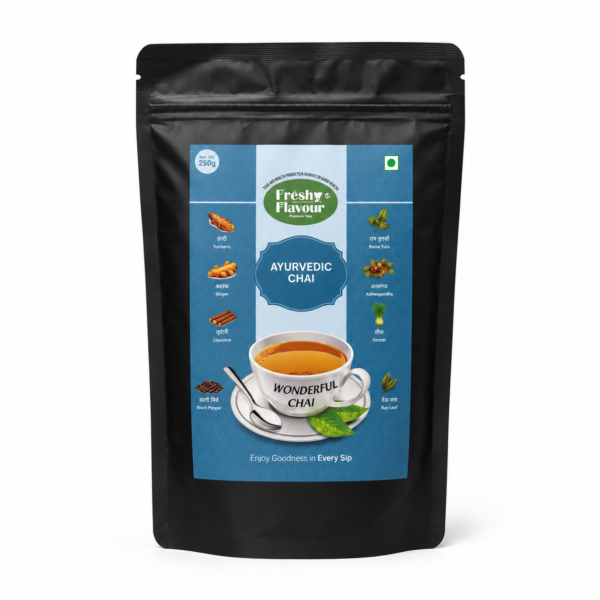
Try it yourself
Ayurvedic CTC Chai
★★★★★ (2)Ayurvedic chai patti online — 9 traditional ayurvedic herbs blended with Assam CTC for daily wellness. India's premium…
(incl. GST)
Shop now →How to Brew the Perfect Stress-Busting Cup
To truly experience how chai traditionally valued for relaxation, proper brewing is essential. The extraction process matters significantly. Brewing too briefly means you miss the beneficial compounds; brewing too long can create bitterness that negates the calming effects.
The Optimal Brewing Method: Use water heated to 95-98°C (just below boiling). Add one heaping teaspoon of loose leaf chai per cup, plus one for the pot. Steep for 3-4 minutes—this duration allows full extraction of L-theanine, polyphenols, and spice compounds without over-extraction. The resulting brew should be fragrant and rich, not harsh.
Milk and Sweetening for Enhanced Calm: Traditional chai is served with milk, which serves multiple purposes. Milk contains casein (a protein that binds caffeine, slowing its absorption for more sustained focus) and calcium (which supports nervous system function). When chai traditionally valued for relaxation, adding milk enhances the effect. Use whole milk or plant-based alternatives like almond or oat milk for creaminess.
Temperature Matters for relaxation support: Warm chai activates parasympathetic nervous system response more effectively than cold chai. However, during April’s heat wave, iced chai provides cooling benefits that prevent heat-induced stress and anxiety. The key is consistency: drink chai at the same time daily to establish a calming ritual.
Dosage for Best Results: One to two cups of quality chai daily is optimal. This provides sufficient L-theanine and polyphenols for stress reduction without excessive caffeine. More than three cups may trigger jitteriness in sensitive individuals, negating the relaxation-support benefits.
Time Your Chai Strategically: Morning chai (within 1-2 hours of waking) helps stabilize cortisol levels throughout the day. Afternoon chai (around 3 PM) combats the post-lunch energy dip and stress surge. Avoid chai after 5 PM if you’re sensitive to caffeine, as it may interfere with sleep—and poor sleep dramatically increases stress.
Start with Fresh n Flavour’s versatile blends. Our premium chai patti tea leaves are hand-blended with real spices, ensuring consistent quality with every brew. With free shipping on orders above ₹499, building a chai habit for relaxation support is accessible and affordable.
The Ritual as Stress Medicine
Beyond the chemistry, chai traditionally valued for relaxation through the ritual itself. In Indian culture, chai time is sacred—a moment to pause, connect with others, and breathe deeply. Whether you’re sharing chai with family, colleagues, or simply with yourself, this intentional pause is comforting.
During April’s rush—festival season with Ram Navami, Baisakhi, and Chaitra Navratri celebrations—stress naturally escalates. Establishing a chai ritual provides an anchor, a moment of control and calm amidst chaos. Even 10 minutes with a warm cup of quality chai can reset your nervous system, lower cortisol, and restore mental clarity.
The sensory experience enhances relaxation support: the aroma of cardamom and ginger activates your olfactory system, which directly connects to the limbic system (your emotion center). The warmth in your hands triggers vagal nerve activation. The taste engages mindfulness. When chai traditionally valued for relaxation through all these pathways simultaneously, the effect is more powerful than any single ingredient could provide.
Long-Term Mental Health Benefits
Regular chai consumption builds cumulative mental health benefits. Over weeks and months, as chai traditionally valued for relaxation consistently, you’ll notice improvements in: sleep quality, emotional resilience, memory retention, attention span, and overall mood stability.
The polyphenols in chai patti support neuroplasticity—your brain’s ability to form new connections and adapt. This is crucial for anxiety recovery and building stress resilience. When you drink quality chai daily, you’re not just managing current stress; you’re rewiring your brain’s stress response system.
Consistency is key. Occasional chai drinking provides immediate relief; daily chai consumption creates lasting neurochemical changes. Within 2-3 weeks of daily consumption, most people report noticeably improved stress tolerance and mental clarity. After 8-12 weeks, the benefits become profound.
Remember: chai traditionally valued for relaxation most effectively when combined with other wellness practices—adequate sleep, regular movement, and mindful living. Chai amplifies these efforts, making them more sustainable and enjoyable.
🍵 Experience relaxation support with Turmeric C.T.C Chai
Our traditionally used for comfort turmeric chai blend combines premium chai patti tea with haldi and warming spices. Perfect for daily stress management and mental clarity. 100% natural, FSSAI-approved ingredients.
Shop Now →Frequently Asked Questions
How quickly does chai support relaxation and anxiety?
Most people notice calm and focus within 15-20 minutes of drinking chai. This is because L-theanine begins working relatively quickly once absorbed. However, the deepest relaxation-support benefits accumulate over weeks of regular consumption, as your nervous system adapts and polyphenols build up in your system.
Can chai support relaxation at any time of day?
Yes, but timing matters. Morning and early afternoon chai provides relaxation support without disrupting sleep. Evening chai is fine if consumed before 5 PM. Avoid late-night chai if you’re sensitive to caffeine. The warm ritual itself promotes calm at any hour, but consistent daytime consumption builds stronger resilience.
Which chai blends support relaxation the most effectively?
Blends containing ginger, cardamom, and turmeric are particularly effective for stress reduction. Our Ayurvedic Chai and Turmeric C.T.C Chai are specifically formulated for relaxation support. Blends with rose and mulethi add emotional soothing. Start with one and observe how your body responds.
How does chai support relaxation compared to coffee?
Coffee’s higher caffeine content can trigger anxiety in some people, while chai’s L-theanine moderates caffeine absorption, creating calm focus instead of jitters. Chai also contains more stress-relieving spices. Coffee works well for some; chai works better for stress-prone individuals.
Can chai support relaxation if I’m already taking anxiety medication?
Chai is a complementary wellness beverage, not a substitute for wellness treatment. The stress-reducing compounds in chai work gently and safely alongside medication. Consult your doctor before making changes, but most healthcare providers welcome chai as a supportive practice for mental wellness.
Shop the blends in this guide
Frequently Asked Questions
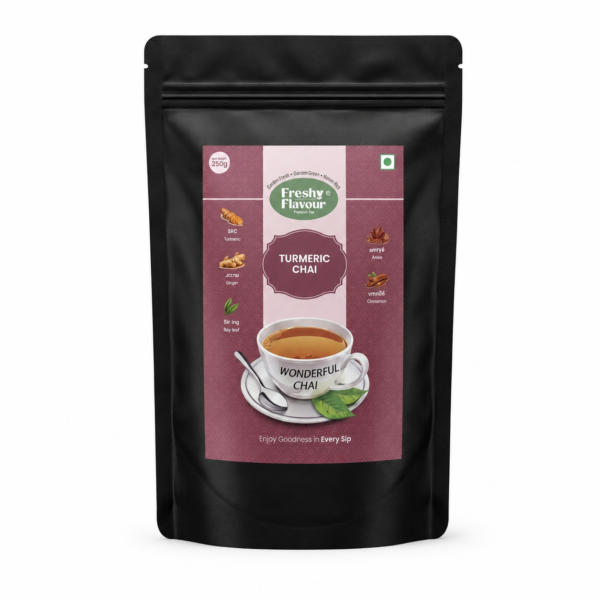
Try it yourself
Turmeric CTC Chai
Turmeric chai patti online — haldi + ginger + cinnamon + Assam CTC for golden wellness. India's premium…
(incl. GST)
Shop now →