

Table of Contents
- The Language Behind Chai: Why Indians Call It Chai and Not Tea
- The Cultural Significance of Chai in Indian Society
- How Chai Is Different From Regular Tea
- The Chai Tapri Culture: Where Chai Becomes a Social Ritual
- The Tradition and Philosophy Behind Chai
- Modern Chai Trends and the Fresh n Flavour Revolution
- Frequently Asked Questions
Have you ever noticed that when someone in India says “chai,” it means something completely different from when a Western person says “tea”? This linguistic distinction reveals a fascinating story about culture, history, and the evolution of India’s most beloved beverage. The simple answer is: Indians call it chai not tea because chai is more than just a beverage—it’s a tradition, a ritual, and a way of life. Understanding why chai not tea is the preferred term in India takes us on a journey through language, culture, and centuries of Indian heritage.
As you’re reading this during the early summer months of April, when temperatures soar across India, the tradition of enjoying chai not tea remains as strong as ever. Whether it’s a cold brew iced chai or a warm cup in the morning, Indians have an unshakeable connection to their chai. This connection goes far beyond the simple act of drinking a hot beverage—it’s woven into the fabric of Indian society, and understanding why Indians call it chai not tea helps us appreciate one of the world’s most vibrant tea cultures.
The Language Behind Chai: Why Indians Call It Chai and Not Tea
The word “chai” comes from the Hindi word “चाय” (pronounced “chay”), which itself is derived from the Chinese word “茶” (chá). When you understand that chai not tea is rooted in linguistic origins, the distinction becomes clear. The British English word “tea” comes from a different Chinese dialect—the Fujian word “tê.” So essentially, both words refer to the same leaf, but arrived in different languages through different trade routes.
However, the word “chai” in India took on a life of its own. It wasn’t simply imported and forgotten—it was embraced, adapted, and transformed into something uniquely Indian. This is why chai not tea became the standard terminology across Hindi-speaking regions and eventually spread throughout India. The linguistic journey of the word “chai” reflects how Indians didn’t just adopt a foreign product; they made it their own.
In Indian languages—Hindi, Marathi, Bengali, Gujarati, and many others—the word “chai” is universally understood and used. Walk into any Indian household or street-side tapri (tea stall), and if you ask for “tea,” you might get a confused look. Ask for “chai,” and you’ll immediately understand why chai not tea is the correct terminology. The word has become so ingrained in Indian culture that it’s impossible to separate the language from the experience.
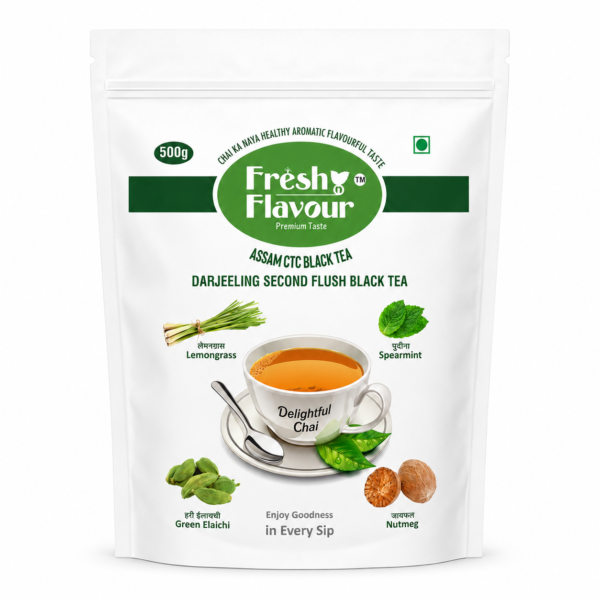
Fresh n Flavour, the premium Indian chai brand based in Ahmedabad, understands this linguistic and cultural distinction deeply. Their entire product line celebrates the chai tradition, not just tea. From their bestselling Delightful Chai to their authentic regional blends like Bombay Cutting Chai, they’re not selling tea—they’re preserving and celebrating India’s chai heritage.
Try it yourself
Delightful Chai
Delightful Chai Patti Online — Delightful blends Assam CTC with Darjeeling Second Flush, lemongrass & botanicals. The best…
(incl. GST)
Shop now →The Cultural Significance of Chai in Indian Society
Why do Indians call it chai not tea? The answer is profoundly cultural. In India, chai is not merely a beverage—it’s a social connector, a comfort ritual, and a marker of hospitality. When an Indian family welcomes a guest, the first thing offered is chai. When friends meet, they meet over chai. When important decisions are made in Indian households, they’re discussed over a cup of chai. This is why chai not tea carries such weight in Indian society.
The ritual of sharing chai creates bonds that go beyond the simple consumption of a hot beverage. Chai is served at celebrations, at moments of grief, during family gatherings, and in times of celebration. The act of making chai and sharing it with others is an expression of love, care, and connection. This cultural significance is what truly explains why Indians call it chai not tea—because the word “tea” doesn’t capture the emotional and social dimensions of the beverage.
In Indian families, the person who makes chai is often seen as a caretaker and nurturer. The skill of making the perfect cup of chai is passed down through generations—from mothers to daughters, from grandmothers to grandchildren. This tradition, this knowledge, this care cannot be summed up by the word “tea.” It requires the word “chai,” which encompasses not just the beverage but the entire tradition surrounding it.
During festivals like Ram Navami, Baisakhi, and Chaitra Navratri, chai plays a central role. Families gather around steaming cups of chai, sharing stories, strengthening bonds, and celebrating their heritage together. This festive significance is uniquely Indian, which is why chai not tea is the only correct way to refer to this beloved beverage in Indian contexts.
How Chai Is Different From Regular Tea
When you understand the differences between chai and regular tea, you begin to grasp why Indians call it chai not tea. Regular tea, as consumed in Western countries, typically consists of steeped tea leaves in hot water, often served with milk and sugar. Chai, however, is an entirely different preparation method and flavor profile.
Traditional Indian chai is made by boiling water with spices—cardamom (elaichi), ginger (adrak), cloves, cinnamon, and black pepper—and then adding CTC (Crush, Tear, Curl) tea leaves. The spices are not just added as flavoring; they’re an integral part of the brewing process. They infuse the chai with warmth, depth, and complexity that regular tea doesn’t offer. This is a fundamental reason why chai not tea is the proper terminology.
The preparation of chai requires skill and time. The spices must be boiled first to release their essential oils and flavors. Then the tea leaves are added, followed by milk and sweetener. The entire process is a craft, a ritual that takes approximately 10-15 minutes. This is vastly different from simply steeping a tea bag in hot water. The word “chai” acknowledges this complexity, while “tea” oversimplifies it.
Flavour-wise, chai offers a depth that goes beyond regular tea. The spices in chai—turmeric, ginger, cardamom—bring warmth, colour and aroma to the cup. Fresh n Flavour has created specialized blends around these spices, such as their Turmeric CTC Chai, which builds on the long tradition of haldi in Indian kitchens. This spice dimension of chai explains another layer of why chai not tea is the correct designation.
The Chai Tapri Culture: Where Chai Becomes a Social Ritual
One of the most iconic aspects of Indian culture is the chai tapri—the humble roadside tea stall where chai not tea is served throughout the day to a diverse clientele. These tapris are not just commercial establishments; they’re social hubs, gathering places, and community centers. This culture of chai tapris is so uniquely Indian that it further reinforces why the term chai not tea is essential to understanding Indian society.
At a chai tapri, you’ll find laborers, office workers, students, and pensioners sitting together, sharing cups of chai and engaging in spirited conversations about politics, sports, and life. The chai tapri is where important discussions happen, where friendships form, and where the pulse of India can be felt. The chai served at these stalls is often strong, sometimes with a hint of cardamom or ginger, prepared with practiced efficiency and served with genuine warmth.
The authenticity of chai tapri culture is something that cannot be replicated. When someone asks for “tea” at a tapri, it sounds almost foreign. When they ask for “chai,” they’re participating in a centuries-old tradition. This is why regional varieties of chai have become iconic—the Bombay Cutting Chai (half-strength chai typically served in small glasses) and Calcutta Street Chai represent distinct regional chai cultures within India itself.
Fresh n Flavour celebrates this tapri heritage by creating blends that capture the essence of these regional chai traditions. Their Bombay and Calcutta variants are named specifically to honor the street-side chai culture of these cities. This shows that even modern chai brands understand and respect why chai not tea is the proper term—because it honors the cultural and historical significance of India’s beverage tradition.
The Tradition and Philosophy Behind Chai
In Ayurveda and Indian kitchen tradition, the spices used in chai have been prized for generations. Ginger brings a warm, peppery bite, cardamom a sweet, floral aroma, and turmeric an earthy golden colour. When Indians call it chai not tea, they’re also acknowledging the spice traditions that go back to Ayurvedic kitchens. This is why the term “chai” inherently carries a cultural significance that “tea” simply doesn’t capture.
During the current spring season (April in India), when temperatures are rising and the heat intensifies, chai takes on different forms. Light, refreshing blends with lemongrass become popular for iced chai preparations. The herbs and spices picked for summer chai—lighter, brighter-tasting ones—are chosen differently than in winter months. This seasonal awareness in chai preparation is deeply embedded in Indian kitchen tradition, further explaining why chai not tea is the more appropriate term.
Modern chai brands like Fresh n Flavour have recognized this tradition and created specialized blends. Their Ayurvedic Chai features nine herbs including Ashwagandha, Tulsi, Turmeric, and Ginger—all rooted in Ayurvedic tradition. Their Tulsi Ginger Chai pairs clove-scented tulsi with warming ginger. These herbal blends exist because Indians understand that chai not tea is a daily ritual, not just a beverage.
The difference between chai and tea extends to how they’re perceived in daily life. When someone in India recommends a cup of masala chai after a meal, they’re drawing on generations of kitchen tradition. This spice heritage is so integral to chai that it’s impossible to separate the beverage from its traditional roots. This is yet another reason why chai not tea is the correct terminology—it acknowledges the deeply rooted, tradition-centered approach that Indians take toward their beloved beverage.
Try it yourself
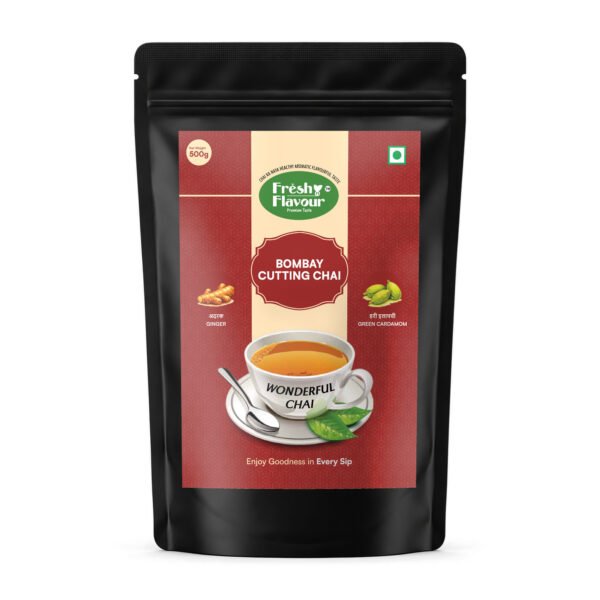
Bombay Cutting Chai
★★★★★ (5)Bombay Cutting chai patti online — authentic Mumbai tapri-style blend with ginger, cardamom & bold CTC base. Premium…
(incl. GST)
Shop now →Modern Chai Trends and the Fresh n Flavour Revolution
In the modern era, the distinction between chai not tea has only become more pronounced as premium chai brands have emerged. Fresh n Flavour, based in Ahmedabad, Gujarat, represents a new generation of chai makers who are honoring the traditional chai not tea distinction while bringing innovation and quality to India’s beloved beverage. Their tagline “Enjoy Goodness in Every Sip” encapsulates the philosophy that chai is about more than just taste—it’s about aroma, tradition, and quality.
The reason Fresh n Flavour doesn’t call their products “tea blends” but rather “chai blends” is significant. They’re making a deliberate choice to honor the cultural term, the cultural tradition, and the cultural understanding of what chai means in India. When they craft their Flavourful Chai with bold masala spices, or their Delightful Chai with smooth Assam CTC and premium herbs, they’re creating products that fit within the chai tradition, not the Western tea tradition.
Modern consumers are increasingly choosing premium chai brands because they understand the difference between chai not tea. They want authenticity, they want natural ingredients (no artificial flavors), and they want to support brands that respect India’s heritage. The fact that Fresh n Flavour uses real spices and tea leaves in master-crafted blends shows a commitment to quality that goes beyond what generic “tea” suggests.
The emergence of specialized chai blends—chocolate chai, ayurvedic chai, rose-infused chai—further demonstrates why chai not tea is the essential terminology. These aren’t just tea variations; they’re chai innovations that honor traditional chai culture while exploring new flavor territories. Each blend is crafted to be enjoyed as chai, with the understanding that chai is a complete experience involving spices, preparation method, cultural context, and generations of tradition.
Understanding why Indians call it chai not tea helps us appreciate the rich tapestry of Indian culture, the wisdom of Ayurvedic traditions, and the evolution of one of the world’s most beloved beverages. From the humble tapri to premium modern brands, the word “chai” encompasses generations of tradition, culinary skill, and cultural pride that simply cannot be captured by the word “tea.”
The Global Recognition of Chai Culture
Interestingly, the term “chai” has started gaining global recognition, especially in Western countries where chai lattes and chai tea blends have become increasingly popular. This global adoption of the term chai not tea actually validates what Indians have always known—that chai is distinct enough to deserve its own name. When Western coffee shops started offering “chai lattes,” they were acknowledging the special status of chai as a distinct beverage category.
The fact that chai has its own Wikipedia entry and is recognized as a distinct category of beverage in international culinary contexts shows how far the term has traveled. However, for Indians, chai not tea was never a question—it’s always been the natural way to describe this beverage.
As Indians globally maintain their chai traditions—whether in London, New York, Singapore, or Sydney—they continue to call it chai, not tea. This perpetuation of the traditional term keeps the cultural connection alive, even in diaspora communities. The word “chai” carries home within it for millions of Indians living abroad.
Celebrating Chai in Contemporary India
Today, in April 2026, as Indians experience the early summer heat, many are experimenting with cold brew iced chai or lighter preparations of their favorite blends. The diversity of chai preferences across India’s regions, communities, and generations shows how vital and evolving the chai not tea tradition remains. From traditional masala chai to innovative blends with dark chocolate and aromatic spices, chai continues to adapt while maintaining its cultural core.
Brands like Fresh n Flavour are ensuring that as chai modernizes and reaches new markets, the respect for traditional chai-making remains intact. Their commitment to hand-blending real spices, using the finest CTC tea leaves from Assam and Dooars, and creating herb-led blends shows that chai not tea is not just a linguistic preference—it’s a commitment to quality, tradition, and flavour.
The reason Indians call it chai not tea ultimately comes down to identity, heritage, and the understanding that this beverage is fundamentally different in every way—linguistically, culturally, historically, and experientially—from Western tea. It’s a distinction that’s worth celebrating and preserving.
Frequently Asked Questions
Q: Why do Indians call it chai and not tea instead of just tea?
A: Indians call it chai not tea because the word “chai” encompasses the entire tradition, spice blend, preparation method, and cultural significance of the beverage. “Tea” alone doesn’t capture the complexity and heritage. The term chai reflects linguistic origins in Hindi and Sanskrit, and carries deep cultural meaning that “tea” cannot convey.
Q: Is chai the same as masala chai?
A: Not exactly. While all masala chai is chai, not all chai is masala chai. Chai is the umbrella term for spiced tea beverages with milk, while masala chai specifically refers to chai with warming spices like cardamom, ginger, and cloves. Plain chai with milk and no spices is also chai, though less common in India.
Q: When did the tradition of calling it chai not tea start in India?
A: The word “chai” has been used in India for centuries, derived from Chinese origins and integrated into Indian languages like Hindi, Bengali, and Marathi. However, the strong association with spiced milk chai specifically developed during British colonial times and evolved into the beloved tradition we know today.
Q: What’s the difference between chai not tea in terms of taste and preparation?
A: Chai typically includes spices like ginger, cardamom, and turmeric that bring warmth, aroma and colour, rooted in Indian kitchen and Ayurvedic tradition. Plain tea lacks these added spice notes, making chai not just a beverage but a daily ritual in Indian culture.
Q: Can I prepare chai not tea at home easily?
A: Absolutely! Quality chai blends like those from Fresh n Flavour make it simple to prepare authentic chai at home. Simply boil water with the chai blend, add milk and sweetener to taste, and enjoy. Master-crafted blends ensure you get authentic flavors without the need for complex spice knowledge.
🍵 Experience Authentic Chai Today
Discover why Indians choose Fresh n Flavour for their daily chai ritual. Real spices, master-crafted with the finest Assam and Dooars tea leaves. Free shipping on every order.
Shop Chai Now →Shop the blends in this guide
Frequently Asked Questions
Try it yourself
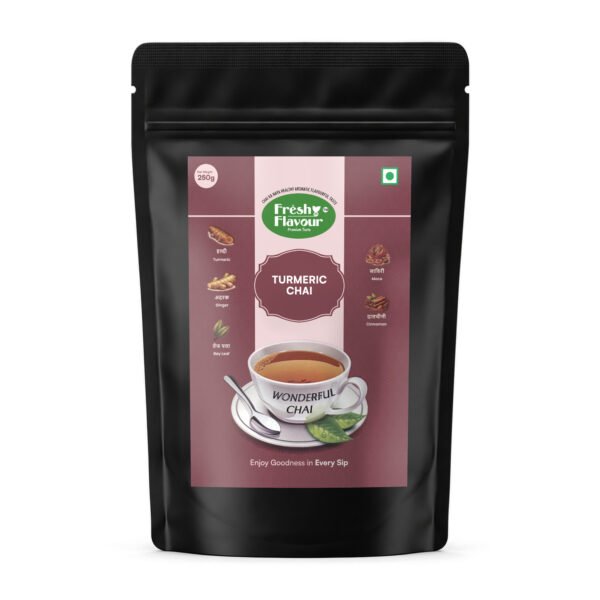
Turmeric CTC Chai
Turmeric chai patti online — haldi + ginger + cinnamon + Assam CTC for a golden, earthy cup.…
(incl. GST)
Shop now →