

Table of Contents
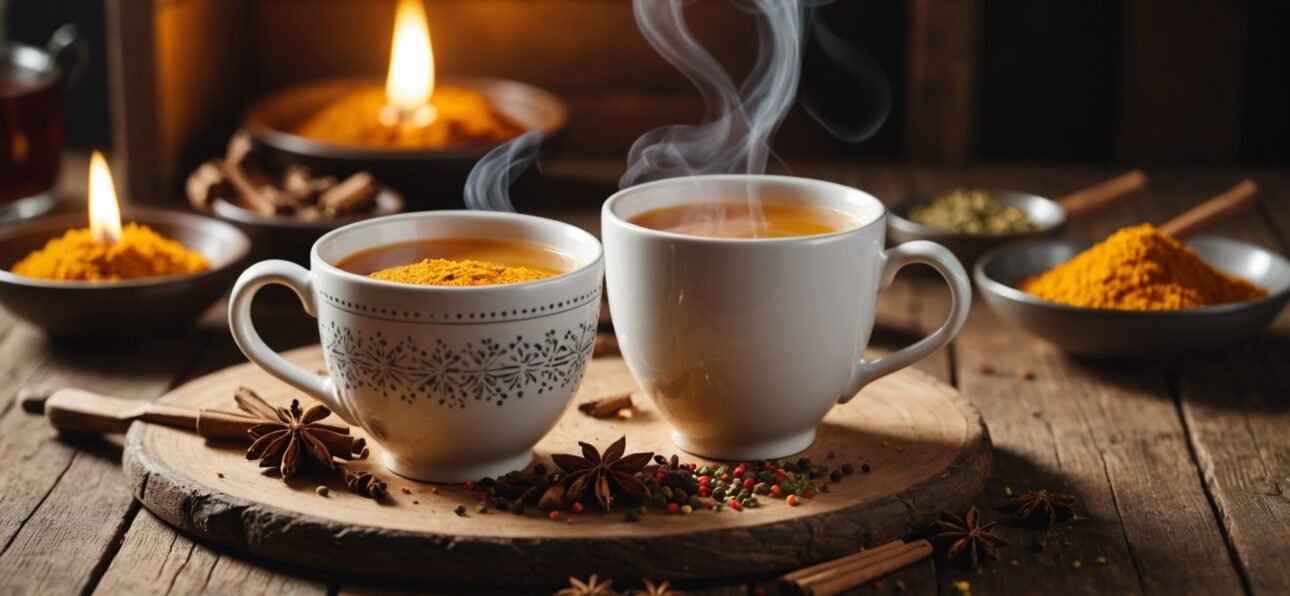
When winter arrives and temperatures plummet, there’s nothing quite like wrapping your hands around a warm cup of best winter chai to feel instantly cozy and rejuvenated. In India, chai isn’t just a beverage—it’s a wellness ritual, especially during the cold months when our bodies need extra nourishment and warmth. Whether you’re facing chilly mornings in the hills or the crisp evenings of northern India, finding the best winter chai blend that combines comfort with health benefits becomes a priority for every chai lover.
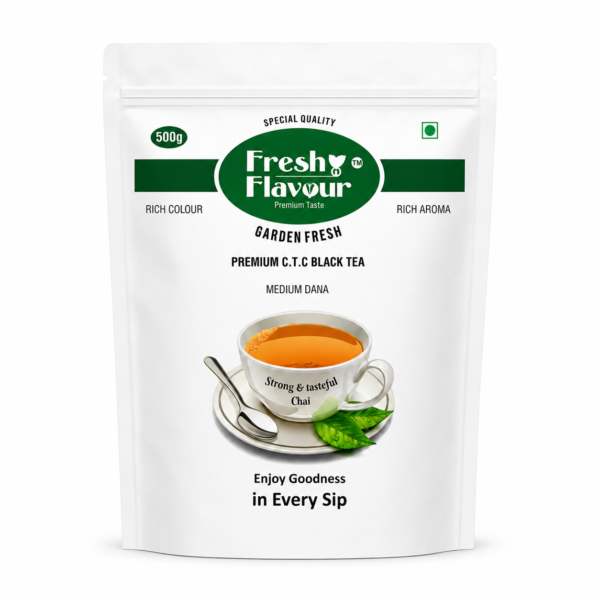
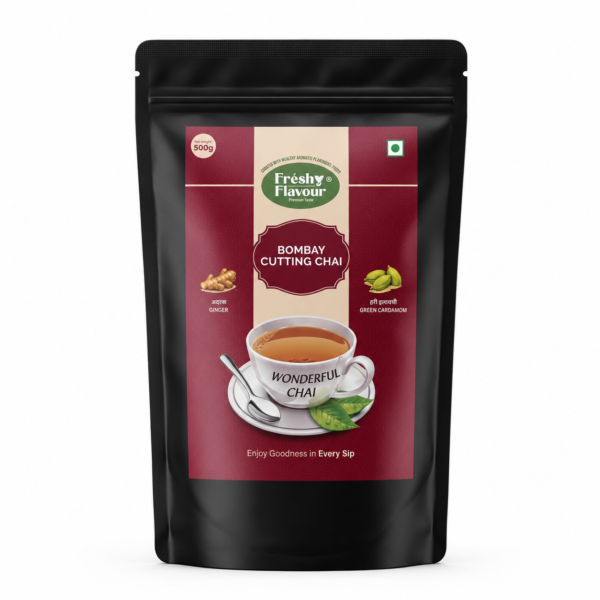
Fresh n Flavour, a premium Indian chai brand based in Ahmedabad, understands this need perfectly. Their philosophy of “Enjoy Goodness in Every Sip” shines through their carefully curated collection of winter chai blends, each designed to warm your body while supporting your immunity during the season. With 100% natural, FSSAI-approved ingredients and master-crafted CTC blends, Fresh n Flavour transforms your daily cup of chai into a wellness experience.
Why Winter Chai is Essential for Seasonal Wellness
Winter brings cooler temperatures, shorter daylight hours, and increased vulnerability to seasonal illnesses. This is exactly why winter chai holds such significance in Indian wellness traditions. The warmth of tea combined with immune-boosting spices creates a natural defense system that supports your body through the cold season.
The best winter chai formulations work on multiple levels. They warm you from the inside out, reducing the body’s energy expenditure to maintain core temperature. Simultaneously, the spices and herbs infused in premium chai blends deliver powerful antioxidants and natural comfort compounds that strengthen immunity. During winter months, when respiratory infections and common colds peak, a good winter chai routine becomes as important as adequate sleep and nutrition.
According to research published on the National Center for Biotechnology Information, black tea consumption is associated with improved cardiovascular health and enhanced immune function. When you combine premium CTC black tea with warming spices, you create a beverage that’s both comforting and clinically supported for seasonal wellness.
The tradition of drinking winter chai in Indian households isn’t merely cultural—it’s rooted in Ayurvedic principles. Ayurveda recognizes that winter increases the body’s vata dosha, which is cold, dry, and light. The best winter chai blends counterbalance this with warm, grounding ingredients like ginger, cardamom, cinnamon, and turmeric. Fresh n Flavour‘s approach to winter chai honors these ancient principles while using modern quality standards.
Try it yourself
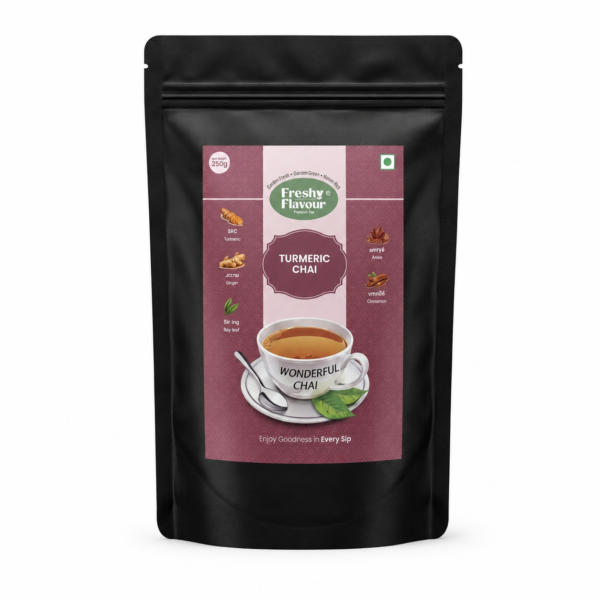
Turmeric CTC Chai
Turmeric chai patti online — haldi + ginger + cinnamon + Assam CTC for golden wellness. India's premium…
(incl. GST)
Shop now →The Best Winter Chai Blends for Warmth and Health
Not all winter chai is created equal. The best winter chai for you depends on your health goals, taste preferences, and what your body needs most during the cold season. Let’s explore the standout options that deliver both warmth and measurable wellness benefits:
Turmeric-Based Winter Chai for traditionally used for comfort Support
If immunity and inflammation are your primary concerns, Turmeric CTC Chai represents the gold standard of winter chai blends. Golden turmeric (haldi) has been used in Indian wellness for thousands of years, and modern science validates its traditionally used for comfort and antioxidant properties.
This winter chai combines premium CTC Black Tea with turmeric, cinnamon, ginger, mace, and bay leaf. Each ingredient serves a purpose during winter: turmeric fights inflammation, cinnamon regulates blood sugar (preventing winter weight gain), ginger warms the digestive system, and bay leaf adds complexity. The result is a cup of winter chai that tastes luxurious while actively supporting your health.
Ayurvedic Wellness Winter Chai for Complete Balance
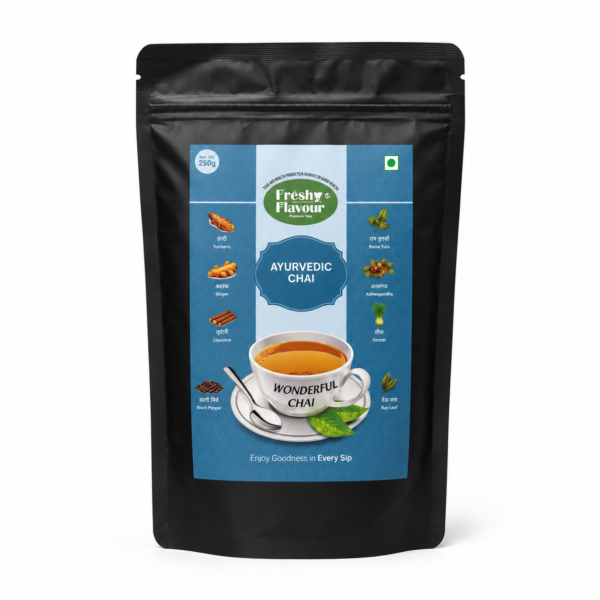
For those seeking comprehensive wellness support, Ayurvedic CTC Chai is arguably the best winter chai for holistic health. This sophisticated blend features nine potent herbs: turmeric, rama tulsi (holy basil), ginger, ashwagandha, liquorice, fennel, black pepper, and bay leaf.
What makes this winter chai exceptional is its balanced approach to winter wellness. Ashwagandha is an adaptogen that helps your body manage winter stress and supports sleep quality during shorter days. Liquorice soothes the throat and respiratory tract—critical during cold season. Fennel traditionally valued for digestive comfort and may help support against bloating from heavy winter foods. This is winter chai designed by someone who understands that winter wellness requires multiple interventions, not just one.
Tulsi Ginger Winter Chai for Immunity Boost
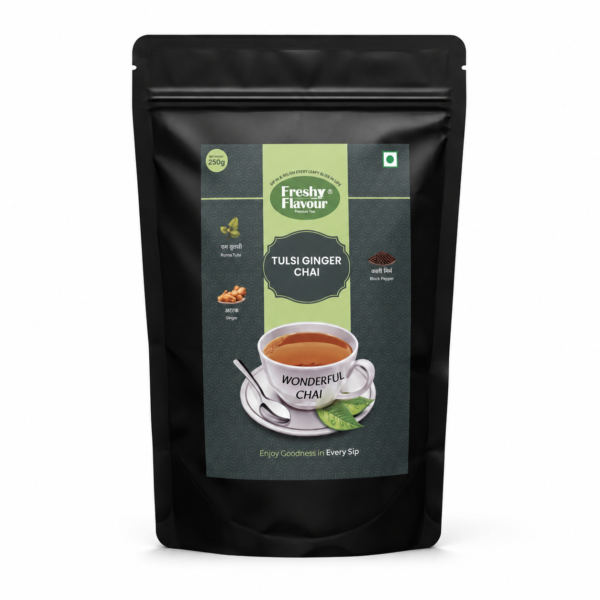
Tulsi Ginger CTC Chai combines two powerhouse ingredients in one warming cup of winter chai. Rama Tulsi (holy basil) has been revered in Ayurveda as an immunity enhancer, while ginger is the ultimate cold-season spice for warming and immune support.
Studies show that tulsi contains compounds that enhance antibody production and white blood cell function—exactly what your body needs when colds and flu are circulating. Ginger adds warmth and aids circulation. This streamlined winter chai is perfect for those who prefer simplicity without sacrificing effectiveness.
Spiced Masala Winter Chai for Traditional Comfort
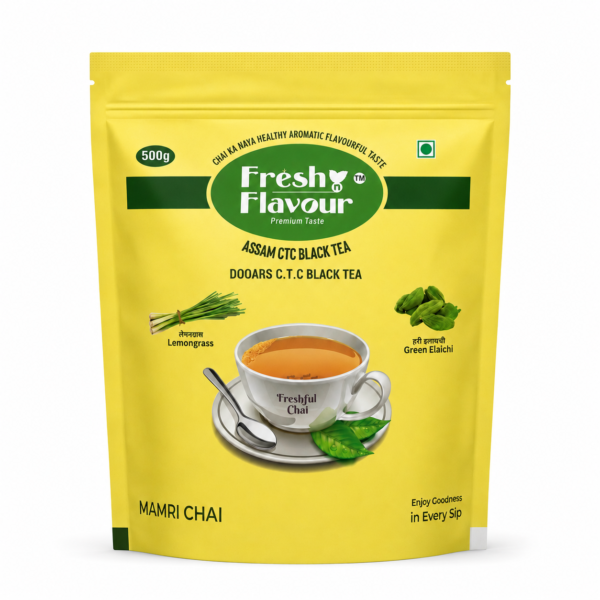
Sometimes the best winter chai is the one that takes you back to childhood memories of grandmother’s kitchen. Flavourful Chai delivers that authentic masala experience with Assam and Dooars CTC Black Teas enhanced with lemongrass, spearmint, green elaichi, and jayfal (nutmeg).
While this winter chai isn’t exclusively formulated for winter, it excels during cold months because nutmeg and cardamom are warming spices with antimicrobial properties. The bold CTC foundation provides the robust flavor that makes winter chai so satisfying when you need comfort and warmth most.
Winter Chai Ingredients That support immune wellness
Understanding what makes the best winter chai means knowing which ingredients deliver measurable health benefits during cold season. Here are the key components you should look for in quality winter chai:
Ginger (Adrak)—The Warming Wonder
No winter chai is complete without ginger. This rhizome contains gingerol compounds that increase thermogenesis (heat production) and improve circulation. During winter, when hands and feet get cold, ginger in your winter chai actively warms your extremities while supporting digestion. Fresh ginger adds pungency; dried ginger in winter chai blends provides concentrated warmth.
Turmeric (Haldi)—The Golden Healer
Curcumin, turmeric’s active compound, is one of nature’s most potent anti-inflammatories. In winter chai, turmeric combats the inflammatory responses triggered by cold stress and potential seasonal infections. A cup of winter chai with turmeric isn’t just warming—it’s actively fighting inflammation at the cellular level.
Cardamom (Elaichi)—The Digestive Aid
Green cardamom appears in many traditional winter chai recipes because it balances the heavy, warming nature of other spices. It traditionally valued for digestive comfort, may help support against bloating, and adds aromatic complexity. In Ayurveda, cardamom is considered balancing for all doshas—making it essential in winter chai formulations.
Cinnamon—Blood Sugar Support
Winter brings holiday traditionally supports and comfort foods that challenge blood sugar stability. Cinnamon in winter chai helps moderate glucose absorption and reduces the energy crashes that make winter depression worse. One study found that cinnamon improved fasting blood glucose levels—making winter chai with cinnamon particularly valuable during heavy-eating season.
Tulsi (Holy Basil)—The Adaptogenic Defender
Rama Tulsi in premium winter chai blends is an adaptogen—a substance that helps your body adapt to stress. Winter stress (seasonal affective disorder, holiday pressure, shorter days) is real, and tulsi in winter chai provides natural nervous system support. Regular winter chai drinkers using tulsi report better mood and resilience.
Ashwagandha—The Stress Soother
This ancient root appears in the best winter chai formulations specifically for winter wellness. Ashwagandha reduces cortisol levels, improves sleep quality, and supports immune function. In winter chai, ashwagandha works synergistically with warming spices to create a beverage that’s both physically and psychologically supportive during cold months.
How to Brew the Perfect Winter Chai Cup
Having the best winter chai blend is only half the equation. Brewing technique dramatically affects the final cup’s flavor, wellness potential, and warmth. Here’s how to maximize your winter chai experience:
Water Temperature and Steeping Time
For optimal extraction of beneficial compounds, brew winter chai at 95-100°C (boiling water) for 3-5 minutes. The CTC black tea leaves in premium winter chai blends need this intensity to release their full flavor and antioxidant compounds. Unlike delicate green or white teas, winter chai CTC formulations actually benefit from vigorous brewing.
The Traditional Milk Method
The best winter chai ritual involves simmering with milk—a method used across India for generations. Heat water to boiling, add your winter chai blend (one teaspoon per cup), let it brew for 2 minutes, then add milk and sweetener to taste. Let it come back to a gentle boil for another minute. This technique creates an emulsion that enhances flavor while the sustained heat maximizes the warming benefit of winter chai.
Milk Selection for Winter Chai
In Ayurvedic terms, winter calls for heavier, warming milk options. Whole cow’s milk is traditional, but you can also use buffalo milk (more grounding) or plant-based alternatives like oat or almond milk. Each affects the final cup of winter chai differently—cow’s milk creates the richest flavor, while oat milk adds subtle sweetness that complements spiced winter chai blends.
Sweetening Your Winter Chai
Jaggery (gur) is the traditional sweetener for winter chai and aligns with Ayurvedic warming principles. It provides not just sweetness but mineral content and grounding energy. If using jaggery isn’t possible, honey (added after cooling slightly) or regular sugar work well. The best winter chai recipe is one where sweetness enhances rather than overpowers the spice profile.
Try it yourself
Ayurvedic CTC Chai
★★★★★ (2)Ayurvedic chai patti online — 9 traditional ayurvedic herbs blended with Assam CTC for daily wellness. India's premium…
(incl. GST)
Shop now →Winter Chai Recipes for Maximum Wellness Benefits
Beyond simply brewing a cup, creating intentional winter chai recipes amplifies the wellness benefits. Here are five ways to transform your winter chai experience:
Classic Spiced Winter Chai with Nuts
Brew your favorite winter chai blend using the traditional milk method. Before serving, add 5-6 crushed almonds and 3-4 sliced pistachios. These nuts add protein, healthy fats, and minerals that balance the warming spices in your winter chai. The nuts also provide satiety, preventing overeating of winter comfort foods. This winter chai recipe transforms your cup into a light snack.
Ginger-Infused Winter Chai Latte
Brew your winter chai and make it into a latte by frothing warm milk with a pinch of vanilla and honey. Add 1/4 teaspoon of fresh ginger powder for an extra warming boost. This winter chai variation is perfect for those who find traditional chai too concentrated. The froth creates a luxurious mouthfeel that makes the warmth of winter chai even more comforting.
Overnight Winter Chai Concentrate
For busy winter mornings, prepare your winter chai as a cold concentrate overnight: steep 2 tablespoons of winter chai blend in 1 cup of cold water overnight. In the morning, strain and heat with milk and honey. This method preserves some heat-sensitive compounds while concentrating the spice extraction. Perfect for those who want the best winter chai experience without morning preparation time.
Cardamom-Rose Winter Chai
Rose Mulethi CTC Chai becomes an elevated winter chai experience when you add a pinch of saffron soaked in warm milk before mixing. The rose petals provide a floral note that balances warming spices, while liquorice soothes the throat—addressing respiratory concerns common in winter. This winter chai recipe is particularly beneficial for those prone to winter sore throats.
Power Winter Chai with Honey and Black Pepper
Brew your winter chai concentrate, add warm milk, and stir in one tablespoon of raw honey and a tiny pinch of black pepper. Black pepper enhances curcumin absorption from any turmeric in your winter chai blend by up to 2000%, making it the ultimate addition for immunity support. Honey adds throat-soothing properties and quick energy. This winter chai recipe is scientifically optimized for cold-season wellness.
Spiced Winter Chai for Digestion
Heavy winter foods demand digestive support. Brew your winter chai using fennel-forward blends, and add a squeeze of fresh lemon juice after cooling slightly. The combination of warm spices in winter chai with fennel’s carminative properties and lemon’s digestive acids creates a beverage that supports the digestive fire (agni in Ayurvedic terms) that winter tends to damp down.
The Fresh n Flavour Advantage in Winter Chai Selection
Choosing the best winter chai isn’t just about ingredients—it’s about trust, quality, and consistency. Fresh n Flavour distinguishes itself in the premium tea market through several key commitments:
100% Natural Ingredients: Every winter chai blend from Fresh n Flavour uses only natural spices, herbs, and premium CTC black tea. No artificial flavors, colors, or preservatives dilute the authentic taste or health benefits of their winter chai. This commitment matters most in winter when your immune system needs genuine support.
FSSAI Approval: Fresh n Flavour’s winter chai blends carry FSSAI (Food Safety and Standards Authority of India) approval, ensuring they meet stringent safety and quality standards. You can drink your winter chai with confidence, knowing it’s been rigorously tested.
Master-Crafted CTC Blends: The CTC (Crush-Tear-Curl) black tea foundation of Fresh n Flavour’s winter chai is sourced from the finest Assam and Dooars gardens. This isn’t generic tea; it’s carefully selected leaves that brew into the robust, flavorful base that makes winter chai satisfying and warming.
Thoughtful Spice Selection: Rather than overwhelming winter chai with excessive spices, Fresh n Flavour balances each ingredient thoughtfully. Their winter chai formulations honor traditional wisdom while delivering modern quality standards.
The brand’s tagline—”Enjoy Goodness in Every Sip”—perfectly captures what you experience with their winter chai blends. Each cup delivers genuine nourishment, not just flavor.
When to Drink Winter Chai for Optimal Benefits
Timing matters when seeking wellness from winter chai. The best time to drink winter chai is:
- Morning (6-8 AM): Jumpstart digestion and immunity before the day begins. Morning winter chai activates metabolism and mental clarity.
- Mid-Morning (10 AM): Combat the mid-morning energy dip with a cup of warming winter chai. The CTC tea provides sustained caffeine release.
- Afternoon (3-4 PM): Address the post-lunch energy slump with winter chai. Timing it now (rather than evening) avoids sleep disruption.
- After Dinner (optional): If using herbal winter chai blends like Ayurvedic Chai with ashwagandha, evening consumption supports sleep and overnight recovery.
Avoid drinking winter chai after 6 PM if your blend contains significant CTC caffeine, as this can interfere with sleep quality—ironic, since sleep is when your immune system consolidates gains from daytime wellness practices.
Storage and Shelf Life of Winter Chai Blends
To maintain the potency of your winter chai investment:
Store in Cool, Dry Places: Keep winter chai blends in airtight containers away from heat, light, and humidity. A dark cupboard is ideal. Spices degrade rapidly when exposed to light and heat, reducing both flavor and health benefits of your winter chai.
Avoid Refrigeration: Unlike fresh herbs, dried winter chai blends don’t benefit from refrigeration. Temperature fluctuations cause condensation that reduces shelf life and introduces moisture that promotes mold.
Use Within 6-12 Months: For optimal potency, use your winter chai within a year of purchase. The antioxidants and active compounds in spices gradually oxidize, reducing their wellness impact even in perfect storage conditions.
Fresh n Flavour’s packaging specifically addresses these concerns, using opaque, resealable packaging that protects your winter chai investment throughout the winter season.
Comparing Winter Chai: Finding Your Personal Best
The “best” winter chai varies by individual. Consider these factors when selecting your ideal winter chai:
- Health Priority: If immunity is paramount, Tulsi Ginger or Ayurvedic blends are best. If inflammation is your concern, choose Turmeric winter chai.
- Flavor Preference: Do you prefer bold, spice-forward winter chai or subtle, balanced blends? Bold personalities thrive with Flavourful Chai; subtle palates prefer lighter Assam blends.
- Digestive Sensitivity: Those with sensitive stomachs should choose winter chai with gentler spices and avoid excessive black pepper.
- Sleep Concerns: If winter’s short days already disrupt sleep, choose herbal winter chai blends with ashwagandha rather than high-caffeine options.
- Budget Considerations: Premium winter chai blends cost more but deliver superior ingredient quality and health outcomes. Larger 500g packages offer better value for regular winter chai drinkers.
Building Your Winter Chai Ritual
The best winter chai experience transcends the cup itself. Create a ritual around your winter chai consumption:
Mindful Mornings: Brew your winter chai slowly. Let the aroma fill your space. Hold the warm cup between your palms, feeling its heat transfer through your skin. This practice activates the parasympathetic nervous system, reducing cortisol and amplifying the wellness benefits of winter chai.
Social Connection: Invite a friend for winter chai. Shared tea ceremonies have deep roots in Indian culture. The combination of warming winter chai with companionship provides emotional wellness alongside physical benefits.
Seasonal Awareness: As winter progresses, pay attention to how your body responds to winter chai. Notice improvements in energy, digestion, respiratory health, and mood. This awareness deepens your relationship with your chosen winter chai blend and validates its effectiveness.
Quality winter chai isn’t just something you drink—it’s something you experience, anticipate, and integrate into the rhythm of your winter season.
Final Thoughts: Your Winter Chai Journey Begins
Winter is when chai transforms from casual beverage to essential wellness practice. The best winter chai combines ancient wisdom (Ayurvedic warmth principles), modern science (evidence-based ingredients), and authentic Indian heritage into a cup of pure comfort and health support.
Fresh n Flavour understands that “goodness in every sip” isn’t just a tagline—it’s a promise. Every blend is crafted with intention, using ingredients selected specifically for their properties. Whether you’re seeking immunity support, inflammation relief, stress reduction, or simply the perfect warming beverage for January mornings, Fresh n Flavour’s collection of premium winter chai blends delivers on that promise.
This winter, move beyond ordinary tea. Explore the range of thoughtfully formulated winter chai options that treat your daily cup as medicine, ritual, and pure joy. Your immune system, your digestion, and your spirit will thank you for choosing quality winter chai that’s been master-crafted with both ancient tradition and modern wellness science in mind.
Shop the blends in this guide
Frequently Asked Questions About Winter Chai
Q: What makes winter chai different from regular chai?
A: Winter chai specifically emphasizes warming, immune-supporting spices like ginger, turmeric, ashwagandha, and tulsi that address seasonal health concerns. Regular chai focuses on taste; winter chai balances taste with targeted wellness benefits for cold-season vulnerability.
Q: Can I drink winter chai if I have high blood pressure?
A: Most winter chai ingredients (turmeric, cardamom, ginger) have neutral or beneficial effects on blood pressure. However, caffeine in CTC black tea may be a concern for some individuals. Consult your doctor about your specific condition, and consider herbal winter chai options if caffeine is problematic.
Q: How much winter chai should I drink daily for health benefits?
A: 1-3 cups of winter chai daily is optimal. One cup provides comfort and mild benefits; two cups offer consistent wellness support; three cups maximizes antioxidant intake without excessive caffeine. Beyond three cups, you risk caffeine-related side effects.
Q: Is winter chai safe for children and pregnant women?
A: Standard winter chai with ginger and cardamom is safe for children over age 5 (in smaller portions). Pregnant women should consult their healthcare provider about specific spices like fenugreek or ashwagandha before consuming winter chai regularly, though most winter chai ingredients are considered safe in traditional amounts.
Q: Can I buy winter chai online, and is it worth the cost?
A: Yes, premium winter chai like Fresh n Flavour’s blends are available online with free shipping above ₹499. The cost is justified by superior ingredient quality, FSSAI certification, and the wellness outcomes these blends deliver. One cup of premium winter chai costs less than a wellness co-pay, making it an excellent preventive investment.
Try it yourself
Tulsi Ginger CTC Chai
★★★★★ (1)Tulsi Ginger chai patti online — holy basil + ginger + Assam CTC for immunity support. Premium chai…
(incl. GST)
Shop now →