


Table of Contents
There’s nothing quite like a warm, creamy chai latte on a cool morning. The aromatic spices, velvety milk foam, and that perfect balance of tea strength create sheer comfort in a cup. But what if we told you that you don’t need an expensive espresso machine or fancy barista training to create café-quality chai latte at home? The truth is, with the right technique and premium ingredients, your kitchen can become your personal chai café.
At Fresh n Flavour, we’ve been perfecting the art of chai for years. Our master-crafted blends are designed to shine in every preparation method—and a chai latte is one of the most indulgent ways to experience them. In this guide, we’re sharing everything you need to know about making barista-quality chai latte without any machines. Whether you’re a chai enthusiast or new to the world of spiced tea, you’ll find recipes and techniques that deliver café results in minutes.
Let’s dive into the art of making the perfect chai latte right from your own kitchen.
Why Make Chai Latte at Home? The Café vs. Kitchen Showdown
When you order a chai latte at a café, you’re often paying anywhere from ₹150 to ₹300 per cup. Over a month, that’s ₹3,000-₹6,000 just for your chai habit. But that’s only half the story. Many commercial chai latte drinks use pre-made syrups, artificial flavoring, or low-quality tea that doesn’t deliver the authentic spiced warmth you’re craving.
Making chai latte at home gives you complete control over every ingredient. You choose the quality of tea, the freshness of spices, the type of milk, and the sweetness level. There’s no guesswork, no artificial additives—just honest chai goodness. The cost per cup drops to ₹20-₹40, and the flavor quality actually improves because you’re using premium loose-leaf tea blends instead of dust in tea bags.
Beyond cost and quality, there’s something deeply satisfying about creating your own café experience. The ritual of heating milk, brewing tea, and crafting your drink becomes a mindful moment. In the hot weather of April, when temperatures climb toward 35-38°C, a perfectly crafted chai latte becomes an art form you’ll want to master.
The learning curve? Minimal. The satisfaction? Maximum. Let’s get started.
Essential Tools for Perfect Chai Latte: Simple Equipment You Already Have
Here’s the beautiful secret about making café-quality chai latte at home: you probably already own everything you need. Unlike espresso machines that cost thousands, a chai latte requires only basic kitchen tools that cost almost nothing.
Your Chai Latte Toolkit
- Small Saucepan or Milk Pot: Essential for heating water and milk separately. A 1-liter capacity is perfect for making 2-3 chai latte drinks at once.
- Measuring Spoon: Consistency is key. A teaspoon or tablespoon ensures you’re using the right amount of tea each time.
- Tea Strainer or Fine Mesh Sieve: To separate brewed tea leaves from the liquid, giving you a smooth, silky chai latte.
- Whisk: A simple hand whisk (₹30-₹50) creates gorgeous milk foam without electricity. This is your secret weapon for café-style presentation.
- Glass or Ceramic Mug: Ideally 250-300ml capacity. Glass lets you admire your creation; ceramic keeps it warmer longer.
- Milk Jug (Optional): If you have one, it makes milk frothing easier. A regular glass jug works fine too.
That’s it. No fancy grinders, no electric frothers, no complicated machinery. A chai latte is about simplicity meeting flavor—and these basic tools deliver exactly that.
Try it yourself
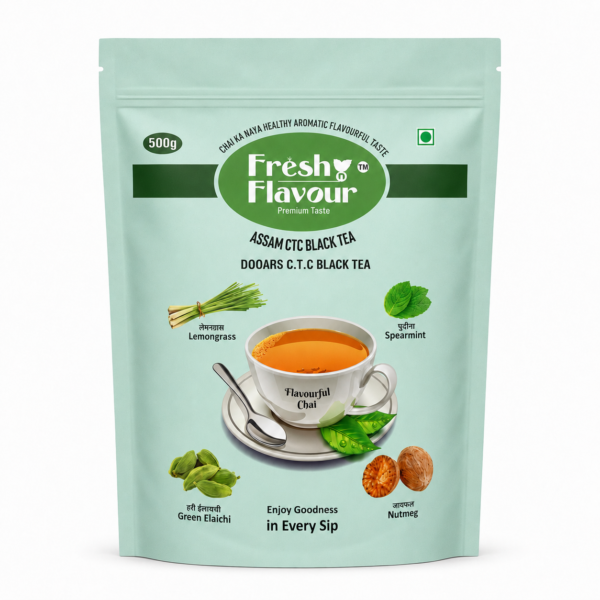
Flavourful Chai
★★★★★ (3)Flavourful chai patti online — bold Dooars CTC base blended with lemongrass, spearmint and exotic spices. Premium chai…
(incl. GST)
Shop now →5 Barista-Quality Chai Latte Recipes to Master This Season
Now for the recipes. Each of these chai latte recipes is designed to work perfectly with premium tea blends and simple techniques. We’re showing you exactly how to layer flavors, time your brewing, and create that silky texture that makes café chai latte so memorable.
Recipe 1: Classic Spiced Chai Latte (The Foundation)
This is the blueprint for all great chai latte drinks. Master this, and you can adapt it to any season or preference.
Ingredients:
- 1.5 teaspoons loose-leaf chai blend (we recommend Flavourful Chai for this classic approach)
- 150ml water
- 150ml milk (whole milk creates the richest chai latte)
- 1/2 teaspoon honey or 1/4 teaspoon sugar (adjust to taste)
- Small pinch of ground cardamom (optional garnish)
Method (5 minutes total):
- Heat water in a small saucepan until small bubbles form at the bottom (around 95-100°C).
- Add loose-leaf tea directly to water. Let it brew for exactly 3-4 minutes. This is crucial—too short and your chai latte tastes weak; too long and it becomes bitter.
- While tea brews, warm milk in a separate small pot over medium heat for 2 minutes. Don’t let it boil.
- Strain brewed tea into your mug, filling it about halfway.
- Pour warm milk into the tea, leaving 1cm space at the top.
- Add honey or sugar, stir gently.
- Top with a light sprinkle of ground cardamom for aroma and visual appeal.
The result? A perfectly balanced chai latte with authentic spice notes and creamy warmth. This foundation recipe teaches you timing, temperature, and the art of balancing tea with milk.
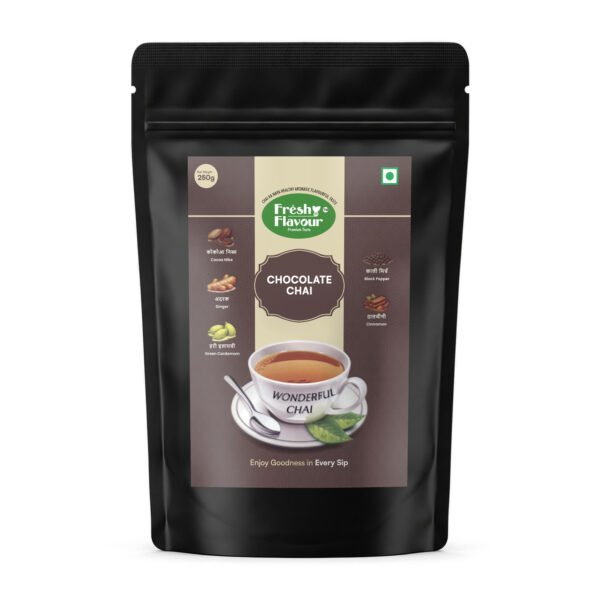
Recipe 2: Creamy Chocolate Chai Latte (For Indulgent Moments)
April heat calls for creative comfort drinks. This chai latte variation brings chocolate richness to spiced tea—think of it as a sophisticated dessert drink you can make at home.
Ingredients:
- 1.5 teaspoons Chocolate CTC Chai
- 150ml water
- 150ml milk
- 1/2 teaspoon natural cocoa powder (optional, for depth)
- 1 teaspoon honey
- Tiny piece of dark chocolate for topping (optional)
Method:
- Brew the chocolate tea blend in hot water for 3-4 minutes. The cocoa nibs in the blend will release their flavor and aroma.
- Heat milk with the cocoa powder (if using) to create a rich base.
- Strain tea, pour into mug, add warm milk.
- Stir in honey and top with a thin shaving of dark chocolate.
This chai latte is sheer comfort—earthy chocolate notes mingling with warming spices. It’s perfect for those early mornings when you need something more indulgent than regular chai.
Recipe 3: Earthy Turmeric Chai Latte (Golden Cup)
As interest in Ayurvedic tradition grows, this chai latte brings classic Indian spices into modern café culture. Golden turmeric, ginger, and cinnamon create a drink that’s as rooted in tradition as it is delicious.
Ingredients:
- 1.5 teaspoons Turmeric CTC Chai
- 150ml water
- 150ml milk (coconut or almond milk works beautifully here)
- 1/4 teaspoon ground ginger (if you want extra punch)
- 1 teaspoon honey
- Tiny pinch of black pepper (adds a peppery kick)
Method:
- Heat water and brew turmeric chai for 4-5 minutes. The longer steep brings out turmeric’s earthy colour and flavour.
- Warm milk gently (don’t scald it, or you’ll lose the delicate flavor).
- Strain tea into mug, pour in warm milk.
- Add honey and a pinch of black pepper, stir well.
This golden chai latte tastes warm, earthy and golden. According to research on turmeric and black pepper, the two spices are a classic pairing — here we use it simply for flavour. Your chai latte becomes both delicious and beautifully golden in the cup.
Recipe 4: Creamy Assam Chai Latte (The Bold Classic)
Some mornings demand a chai latte with serious body and strength. This recipe showcases premium Assam tea—the backbone of authentic Indian chai culture. Bold, malty, and unapologetically flavorful.
Ingredients:
- 2 teaspoons Assam Royal Chai (use slightly more for a stronger chai latte)
- 100ml water
- 180ml milk
- 1/2 teaspoon jaggery or honey (jaggery adds authentic depth)
- 3-4 crushed cardamom pods (fresh is best)
Method:
- Crush fresh green cardamom pods and add them to cold water in your saucepan.
- Bring to a boil, then immediately add Assam chai blend.
- Let brew for 4 minutes, stirring occasionally to ensure full extraction.
- Warm milk separately.
- Strain tea through fine mesh, pour into mug.
- Pour warm milk into tea in a slow, steady stream to create layering effect.
- Sweeten with jaggery, which adds mineral notes that regular sugar doesn’t.
This chai latte tastes like a chaiwala’s masterpiece. The cardamom and Assam combine to create a drink with genuine complexity—something you simply cannot replicate with commercial syrups.
Recipe 5: Iced Chai Latte (Seasonal Summer Version)
When April temperatures soar, hot chai latte gives way to iced versions. This recipe keeps all the creaminess and spiced warmth of traditional chai latte but refreshes you instead of heating you up.
Ingredients:
- 2 teaspoons loose-leaf chai blend (any variety from Fresh n Flavour works)
- 150ml water
- 150ml milk, chilled
- 1 teaspoon honey
- 4-5 ice cubes
- Cinnamon stick for stirring (aesthetic and functional)
Method:
- Brew chai in hot water for 3 minutes as usual.
- Strain into a glass and let cool to room temperature (2-3 minutes).
- Fill glass with ice cubes.
- Pour chilled milk over ice.
- Add honey and stir with cinnamon stick.
- Sip immediately while the temperature contrast is perfect.
This iced chai latte keeps the creamy, spiced character of hot versions but becomes a refreshing summer drink. It’s “Enjoy Goodness in Every Sip” on a warm April afternoon.
Try it yourself
Chocolate CTC Chai
Chocolate chai patti online — where Assam CTC meets cocoa nibs & chocolate extract. A premium chai patti…
(incl. GST)
Shop now →Mastering Milk Frothing Without a Machine: The Secret Technique
Here’s what separates a basic chai latte from a café-quality one: the milk texture. That silky foam, the velvety mouthfeel—it comes from properly frothed milk, and you absolutely don’t need a machine for it.
The Whisk Method (Most Effective)
A simple whisk is your secret weapon for creating microfoam that rivals espresso machines.
Steps:
- Heat milk to about 65-70°C (just before steam rises—don’t let it boil).
- Pour warm milk into a tall glass or jar.
- Insert your whisk into the milk at an angle.
- Whisk vigorously for 30-45 seconds, moving the whisk in circular motions.
- You’ll see foam forming on the surface. Keep whisking until you have about 1cm of creamy foam on top.
- Gently pour the frothed milk into your chai latte, using a spoon to hold back the foam.
- Top with remaining foam for that café aesthetic.
The whisk creates tiny air bubbles that become stable foam—exactly what you want in a chai latte. It takes 45 seconds of effort and transforms your drink completely.
The Jar Shake Method (Quick Alternative)
If you don’t have a whisk, this method is equally effective for a chai latte:
- Heat milk in a saucepan.
- Pour warm milk into a clean glass jar with a tight-fitting lid.
- Close the lid tightly and shake vigorously for 30 seconds.
- Open carefully (pressure builds inside) and pour into your chai latte.
This method works because rapid shaking incorporates air into the milk, creating foam. It’s less controlled than whisking but remarkably effective for a machine-free chai latte.
The Spoon Method (Minimal Equipment)
Even with just a spoon, you can create texture for your chai latte:
- Heat milk until small bubbles form.
- Using the back of a spoon, stir the milk in quick, circular motions for 30-40 seconds.
- Pour milk into chai latte, keeping as much foam as possible on top of the spoon.
Less effective than whisk or jar methods, but it works in a pinch and proves that café-quality chai latte isn’t about equipment—it’s about technique.
Pro Tips for Café-Quality Results Every Single Time
Making a great chai latte is both art and science. These pro tips come from years of studying how tea, milk, heat, and time interact to create the perfect cup.
Temperature Control is Everything
The difference between a mediocre and exceptional chai latte often comes down to temperature. Water that’s too hot burns delicate tea leaves and creates bitter flavors. Water that’s too cool under-extracts the spices. Ideal water temperature for brewing chai is 95-100°C—just below boiling.
If you don’t have a thermometer, use this trick: boil water, remove from heat, count to 20, then brew. That’s approximately 95°C. For milk in your chai latte, aim for 65-70°C—warm enough to feel hot but not scalding.
Brewing Time Determines Flavor Profile
A chai latte brewed for 2 minutes tastes light and floral. At 3 minutes, you get balanced spice and tea notes. At 4-5 minutes, the chai becomes bold and full-bodied. At 6+ minutes, bitterness emerges. Find your sweet spot and stick with it for consistency.
Milk Type Changes Everything
Whole milk creates the richest, most luxurious chai latte with natural sweetness. Semi-skimmed milk is lighter but still creamy. Almond milk brings nuttiness. Oat milk creates silky mouthfeel and pairs beautifully with spiced chai. Coconut milk adds tropical notes. Experiment to find which milk elevates your chai latte experience most.
Sweetness Should Enhance, Not Mask
The best chai latte recipes use minimal sweetener—just enough to round out flavors without overpowering the tea. Start with 1/2 teaspoon honey per cup. You can always add more, but you can’t remove sugar once it’s stirred in. Honey adds complexity that regular sugar doesn’t, making it ideal for chai latte sweetening.
Fresh Spices Make the Difference
Whether you’re buying a pre-made blend or creating your own chai latte from individual spices, freshness matters enormously. Old cardamom has lost its essential oils. Stale ginger becomes woody rather than warming. When you choose Fresh n Flavour blends, you’re getting hand-crafted, freshly-mixed spices—not dusty old inventory.
The Ratio: Tea to Milk
The classic ratio for a chai latte is 1 part brewed chai to 1 part milk. However, if you prefer stronger, bolder chai, use a 1.5:1 ratio. For milkier, lighter versions, try 0.75:1. Once you understand this ratio, you can scale any chai latte recipe up or down perfectly.
Invest in Quality Tea Leaves
This is the single most important factor in making café-quality chai latte at home. Low-grade tea dust from broken bags doesn’t have the same flavor complexity as whole-leaf or granule blends. When you use premium CTC chai, like varieties from the Fresh n Flavour range, every cup of chai latte becomes noticeably better.
Create a Ritual Around Your Chai Latte
The café experience isn’t just about the drink—it’s about the moment. Pour your chai latte into a beautiful mug. Sit somewhere quiet for 5 minutes. Notice the aroma, the warmth, the first sip. This ritual makes your homemade chai latte feel special and luxurious, regardless of cost.
Seasonal Variations: Adapting Your Chai Latte Year-Round
While we’ve focused on April’s warm weather, a great chai latte adapts to every season. During monsoon season, add a touch of clove for its deep, woody aroma. In winter, increase ginger and black pepper for extra warmth and bite. During cool seasons, cinnamon becomes your friend. The beauty of Fresh n Flavour‘s range is that each blend is designed for specific tastes—and seasons—ensuring your chai latte always feels perfectly timed.
Why Fresh n Flavour Chai Blends Elevate Your Chai Latte Game
Throughout this guide, we’ve mentioned Fresh n Flavour multiple times for a reason. Our chai blends aren’t just tea mixed with spices—they’re master-crafted combinations using real ingredients, with tea from the finest Assam and Dooars gardens. Every chai latte you make with Fresh n Flavour gets these advantages:
- Perfectly balanced spice ratios: No guesswork about proportions. Our blends already have the ideal amount of cardamom, ginger, and other spices to create a harmonious chai latte.
- Hand-selected tea leaves: We don’t use dust or fannings. Our CTC and Orthodox teas are premium grades that deliver rich, complex flavor in every chai latte.
- Fresh spice integration: Unlike store-bought brands sitting on shelves for months, our blends are freshly mixed, ensuring every cup of chai latte has vibrant aroma and flavor.
- No artificial additives: Your chai latte gets only what nature provides—no flavoring agents, no preservatives, nothing artificial.
The Cost-Benefit Reality: Café vs. Home Chai Latte
Let’s do the math on your chai latte spending:
Café visits: ₹200 per cup × 5 visits per week = ₹1,000/week = ₹4,000/month
Home-made chai latte: ₹30-₹40 per cup × 5 cups per week = ₹150-₹200/week = ₹600-₹800/month
That’s a savings of ₹3,200-₹3,400 every single month. Over a year, you’re saving ₹38,000-₹40,000 while actually drinking better chai latte. That money could go toward premium blends, quality milk, or simply enjoying extra cups without guilt.
Shop the blends in this guide
Frequently Asked Questions About Making Chai Latte at Home
Q: Can I make a chai latte without a whisk or special equipment?
A: Absolutely. The jar shake method works remarkably well—simply heat milk, pour into a sealed jar, shake for 30 seconds, and pour into your chai latte. You can also use a fork or spoon, though results won’t be quite as silky. The chai latte itself will taste great regardless of foam texture.
Q: How long should I brew chai for the best chai latte?
A: Steep for 3-4 minutes for a balanced chai latte. At 3 minutes, flavors are bright and fresh. At 4 minutes, spices fully develop and tea becomes bold. Go beyond 5 minutes and your chai latte risks becoming bitter. Adjust based on your preference for strength.
Q: What’s the best milk for making chai latte at home?
A: Whole milk creates the richest, most luxurious chai latte with natural creaminess and sweetness. However, any milk works—oat milk creates silky texture, almond milk adds nuttiness, coconut milk brings tropical notes. Choose based on your dietary preferences and desired flavor profile for your chai latte.
Q: Can I make a chai latte ahead of time?
A: You can brew the tea base ahead and reheat it, but the chai latte tastes best when assembled fresh. The milk should be warm (not reheated from cold), and the foam should be added just before drinking. If you must prepare ahead, brew and store tea in an airtight container in the fridge for up to 24 hours, then reheat gently.
Q: Why is my homemade chai latte bitter?
A: The most common cause is over-steeping. If you’re brewing longer than 4-5 minutes, reduce the time. Also check water temperature—if it’s boiling when you add tea, extract happens too quickly and creates bitterness. Use water just below boiling (95-100°C) and stick to 3-4 minute steeps for balanced, smooth chai latte every time.
🍵 Try Flavourful Chai for Your Chai Latte
Bold masala chai with Assam and Dooars CTC, hand-blended with real lemongrass, mint, cardamom, and nutmeg. Perfect for creating café-quality chai lattes at home.
Shop Now →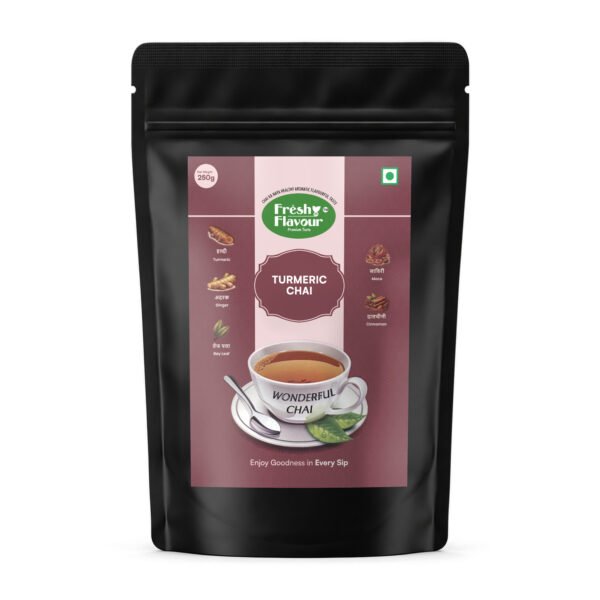
Try it yourself
Turmeric CTC Chai
Turmeric chai patti online — haldi + ginger + cinnamon + Assam CTC for a golden, earthy cup.…
(incl. GST)
Shop now →