

Table of Contents
The eternal debate of chai vs coffee has captivated tea enthusiasts and coffee aficionados for generations. Walk into any Indian household, and you’ll find chai simmering on the stove. Step into a modern café, and coffee dominates the menu. But here’s the real question: when it comes to your health, which beverage deserves a permanent spot in your morning routine?
As Indians, we’ve inherited a profound tradition of chai-making that extends far beyond a simple hot drink. It’s a ritual, a moment of pause, a gesture of hospitality. Yet the global coffee culture has increasingly positioned coffee as the “superior” choice for energy and focus. The truth, however, is far more nuanced and fascinating.
In this comprehensive guide, we’ll explore the genuine health differences between chai vs coffee, backed by science and centuries of Ayurvedic wisdom. You’ll discover why Fresh n Flavour crafts its premium chai blends with specific health intentions, and why choosing chai might be one of the best decisions for your daily wellness routine.
Chai vs Coffee: The Historic Rivalry Behind the Cup
The chai vs coffee comparison is more than just taste preferences—it’s a story of culture, geography, and human health. For thousands of years, chai has been the beverage of choice across India, brewing with spices like ginger, cardamom, and cinnamon. These weren’t arbitrary additions; they were wellness herbs chosen by Ayurvedic practitioners for their specific traditional wellness properties.
Coffee arrived in India during the 17th century, brought by traders and merchants. While it found its place in certain regions (especially southern India), chai remained the heart and soul of Indian beverage culture. Today, as we navigate April’s summer heat in Ahmedabad and across India, this ancient choice feels more relevant than ever.
What makes this rivalry worth examining is that both beverages have legitimate health claims. Neither is inherently “bad.” But the way they affect your body—your digestion, energy levels, sleep patterns, and long-term wellness—differs significantly. Understanding these differences allows you to make a choice aligned with your health goals.
When we talk about chai vs coffee in the Indian context, we’re not comparing a random hot drink to another. We’re comparing centuries of refined tradition with leaves and spices against a more recent global phenomenon. Fresh n Flavour honors this tradition by crafting chai blends using 100% natural ingredients and premium Assam and Dooars CTC Black Tea, ensuring every cup delivers authentic wellness benefits.
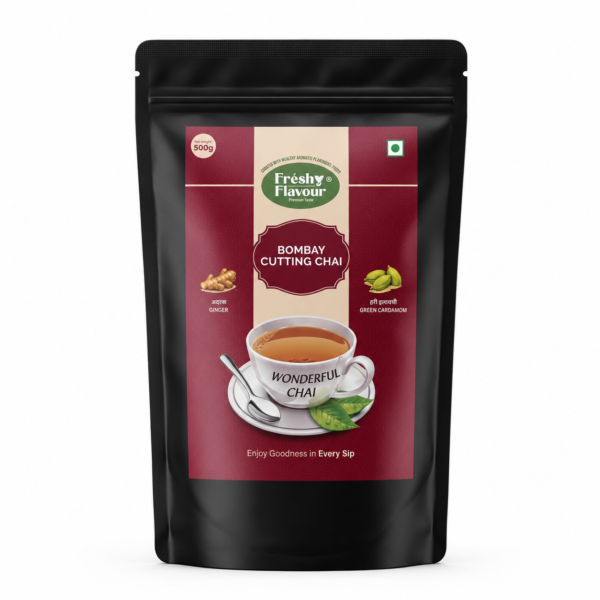
Try it yourself
Bombay Cutting Chai
★★★★★ (5)Bombay Cutting chai patti online — authentic Mumbai tapri-style blend with ginger, cardamom & bold CTC base. Premium…
(incl. GST)
Shop now →Caffeine Content: Why Chai vs Coffee Matters for Your Energy
Let’s address the most common misconception: chai has less caffeine than coffee, so it provides less energy. This oversimplification misses the crucial point about how your body actually processes caffeine differently from each source.
A typical cup of coffee contains 95-200mg of caffeine, while a standard cup of chai contains 25-50mg of caffeine from black tea. At first glance, coffee appears to be the stronger choice for the chai vs coffee energy debate. But here’s where the science becomes interesting.
The caffeine in coffee hits your system rapidly and aggressively, causing a sharp spike in energy followed by an inevitable crash. This rollercoaster effect can leave you feeling jittery, anxious, and exhausted by mid-afternoon. You’ve experienced this—that 3 PM energy slump that sends you reaching for another cup.
Chai’s caffeine enters your bloodstream more gradually, especially when combined with milk and spices. The theophylline and theobromine compounds in black tea work synergistically with caffeine to provide sustained, gentler energy. This is why chai vs coffee isn’t just about quantity; it’s about quality of energy delivery.
Additionally, the spices in traditional chai—particularly ginger and cardamom—actually enhance mental clarity without the anxiety that often accompanies coffee’s high caffeine dose. Fresh n Flavour’s Bombay Cutting Chai exemplifies this perfectly, with hand-crushed ginger and green cardamom designed to provide the sustained energy Mumbaikars have relied on for generations.
Research from the University of Newcastle found that the L-theanine amino acid present in black tea promotes relaxation without drowsiness, creating a calm alertness that coffee cannot replicate. This changes everything about the chai vs coffee conversation from a simple “which has more caffeine” question to a deeper wellness inquiry.
Digestive Health Benefits: Where Chai Truly Shines
This is where chai vs coffee becomes decisively one-sided in chai’s favor. The digestive impact of these two beverages couldn’t be more different, and for anyone with a sensitive stomach, this difference is life-changing.
Coffee is acidic (pH of 4.85-5.10), and for many people, it triggers acid reflux, bloating, and digestive discomfort. The high acidity stimulates gastric acid production, which can erode your stomach lining over time. This is particularly problematic when consumed on an empty stomach—a common breakfast practice.
Chai, by contrast, is alkaline and comes with built-in digestive support through its spice components. Ginger traditionally valued for digestive comfort and reduces nausea. Cardamom stimulates digestive enzymes. Cinnamon helps regulate blood sugar and reduces inflammation in the gut. Black pepper enhances nutrient absorption. These aren’t random additions; they’re a carefully orchestrated digestive symphony.
In the chai vs coffee digestive health category, chai wins overwhelmingly. Traditional Ayurvedic medicine has prescribed chai for thousands of years specifically for its digestive benefits. Modern gastroenterologists are increasingly recommending black tea over coffee to patients with IBS and acid reflux conditions.
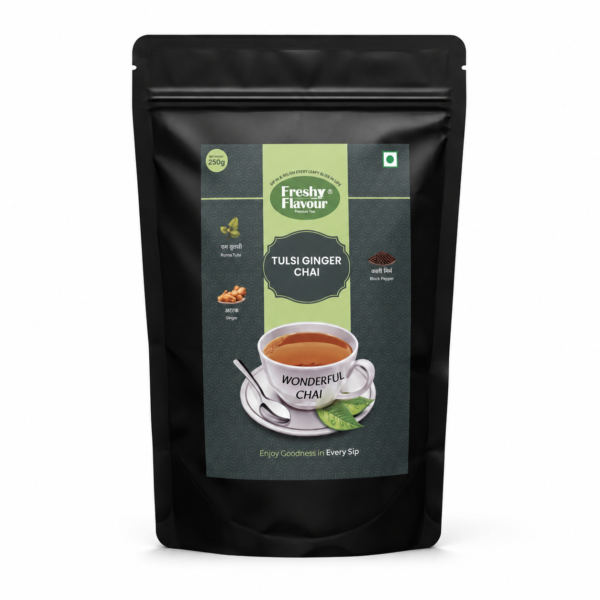
Consider Fresh n Flavour’s Tulsi Ginger CTC Chai. This blend combines Rama Tulsi (holy basil) with ginger and black pepper—three ingredients specifically revered in Ayurveda for digestive support and immune strengthening. Every sip is designed to soothe your digestive tract rather than irritate it.
People who switch from coffee to chai often report remarkable improvements within weeks: better digestion, reduced bloating, more stable energy, and improved sleep quality. The chai vs coffee choice becomes obvious once you experience these changes in your body.
Antioxidants and Wellness Power: The Hidden Advantage
When discussing chai vs coffee from a nutritional standpoint, most people focus on caffeine and calories. They miss the antioxidant profile entirely, which is where chai makes its most compelling health argument.
Both beverages contain antioxidants, but the type and concentration differ significantly. Coffee is rich in chlorogenic acid, which has comfort-supporting properties. However, black tea (the foundation of all traditional chai) contains theaflavins and thearubigins—powerful antioxidants that coffee simply doesn’t have.
These tea-specific antioxidants have been studied extensively and show remarkable benefits:
- Heart health: Studies show black tea consumption reduces cardiovascular disease risk by up to 20%
- Brain function: The combination of caffeine and L-theanine improves focus and memory retention better than coffee alone
- Cancer prevention: The polyphenols in black tea show promise in preventing certain cancer cell growth
- Bone health: Regular tea consumption is associated with higher bone density
- Longevity: Tea drinkers show lower mortality rates in long-term studies
The real advantage in the chai vs coffee antioxidant debate emerges when you add spices. Turmeric, cinnamon, ginger, and cardamom are themselves powerhouse antioxidants. When combined with black tea, they create a synergistic effect that multiplies their individual benefits.
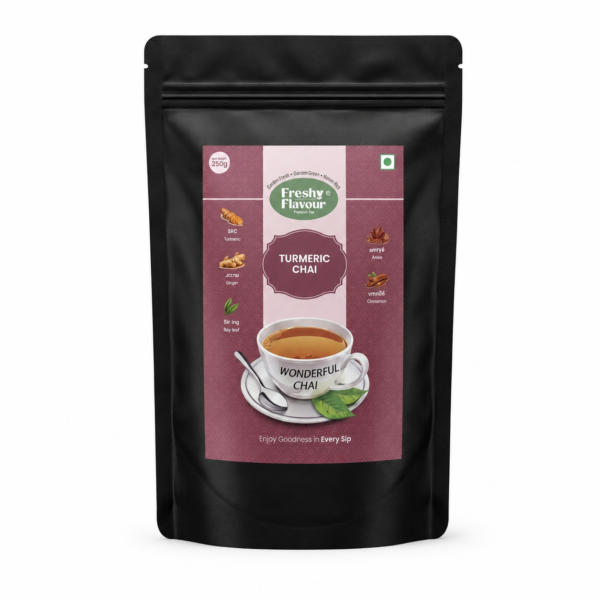
This is precisely why Fresh n Flavour formulated their Turmeric CTC Chai with golden haldi as a cornerstone ingredient. Turmeric’s curcumin compound is one of nature’s most powerful traditionally used for comfort agents. Combined with CTC Black Tea, cinnamon, ginger, mace, and bay leaf, each cup becomes a wellness elixir. This isn’t marketing hyperbole; it’s Ayurvedic science supported by modern research.
A peer-reviewed study published in the Journal of the American College of Nutrition found that the polyphenol content in black tea is nearly as high as in green tea, and when combined with spices, the antioxidant capacity increases exponentially.
Energy and Sustainability: Chai vs Coffee for Long-Term Wellness
One of the most overlooked aspects of the chai vs coffee debate is sustainability—how each beverage affects your energy and body over weeks and months of consistent use.
Coffee drinkers typically develop tolerance within 2-3 weeks of daily consumption. This is why you need more coffee to achieve the same energy boost. Over months, many coffee drinkers find themselves consuming 3-4 cups daily just to avoid headaches and maintain baseline energy. This dependency creates a cycle: more coffee leads to poorer sleep, which leads to lower energy, which leads to more coffee.
Chai’s gentler caffeine profile means you don’t develop the same tolerance rapidly. You can enjoy the same cup of chai for months and continue experiencing consistent benefits. The spices themselves have adaptogenic properties—they help your body adapt to stress rather than just forcing energy artificially.
For anyone sensitive to caffeine or managing anxiety, this difference in the chai vs coffee equation is transformational. Chai allows you to enjoy a warm, comforting morning ritual without triggering jitteriness or afternoon crashes.
Furthermore, the nutritional components in chai—particularly the spices—continue supporting your wellness throughout the day. You’re not just getting a caffeine hit; you’re consuming natural comfort compounds, digestive aids, and immune-boosting herbs. Your body recognizes chai as nourishment, not stimulation.
Fresh n Flavour’s Ayurvedic CTC Chai encapsulates this philosophy with nine powerful herbs: turmeric, Rama Tulsi, ginger, ashwagandha, liquorice, fennel, black pepper, and bay leaf. This isn’t just chai; it’s a daily wellness practice. Every cup supports your long-term health in ways that coffee, despite its benefits, simply cannot match.
Try it yourself
Tulsi Ginger CTC Chai
★★★★★ (1)Tulsi Ginger chai patti online — holy basil + ginger + Assam CTC for immunity support. Premium chai…
(incl. GST)
Shop now →Chai for Summer Wellness: Timing Matters in the Chai vs Coffee Choice
As we enter April’s scorching summer season across India—temperatures climbing toward 35-38°C—the chai vs coffee discussion becomes seasonally relevant. Traditional Indian knowledge understood something modern nutrition science is only now confirming: beverage choice should shift with the seasons.
During summer, coffee’s dehydrating effect and thermogenic properties (it raises body temperature) make it increasingly uncomfortable. Many coffee drinkers instinctively switch to iced coffee, adding sugar and cream that negates the original health benefits.
Chai, prepared traditionally and consumed warm, actually helps regulate body temperature through perspiration. This might sound counterintuitive, but it’s supported by both Ayurvedic wisdom and physiology. The spices in chai promote circulation and natural cooling mechanisms.
Additionally, summer is prime season for digestive issues—heat slows digestion, and cold beverages shock the system. Chai’s digestive spices become even more valuable during these months. This is why your grandmother always insisted on warm chai even in summer heat; she was practicing preventative medicine.
For those craving cold beverages during summer, cold-brewed chai offers an excellent solution. Prepare your favorite Fresh n Flavour chai blend using cold-brew methods overnight, and enjoy it chilled without losing the wellness benefits. The spices and antioxidants remain fully intact, providing the same nutritional support while satisfying your summer cooling needs.
The seasonal aspect of the chai vs coffee choice is often ignored in modern wellness discussions, but it’s crucial. Your body’s needs change with the seasons, and your beverage choice should evolve accordingly. Chai adapts beautifully to seasonal variations; coffee remains static and increasingly inappropriate during hot months.
Making the Switch: Practical Tips for Chai vs Coffee Transition
If you’re considering the chai vs coffee transition—whether for digestive health, better sleep, or simply returning to your cultural roots—here are practical steps to make the change smoothly:
Week 1-2: Don’t quit coffee abruptly; instead, replace one daily cup with chai. Gradually reduce coffee while increasing chai. This may help support against caffeine-withdrawal headaches and allows your body to adjust.
Week 2-3: Shift to chai for your morning beverage while keeping one afternoon coffee if needed. Notice how you feel—most people report better afternoon energy without the crash.
Week 3+: Experiment with different Fresh n Flavour chai varieties to find your perfect match. If you love intensity, try Bombay Cutting Chai. For wellness focus, choose Tulsi Ginger CTC Chai.
The beauty of Fresh n Flavour’s range is that you’re not limited to one tea option. Each blend serves different moods and health intentions. This variety keeps chai exciting and may help support against the monotony that sometimes makes people return to coffee.
Remember: Fresh n Flavour‘s tagline, “Enjoy Goodness in Every Sip,” reflects our commitment to quality and wellness. Every blend is crafted with 100% natural ingredients, FSSAI-approved, and made from the finest Assam and Dooars tea leaves, hand-blended with real spices and herbs. You’re not just choosing chai; you’re choosing wellness rooted in Indian tradition.
The Verdict: Why Chai Wins the Health Battle
After examining every dimension of the chai vs coffee debate—caffeine delivery, digestive impact, antioxidant profile, energy sustainability, and seasonal appropriateness—the evidence strongly favors chai for long-term health.
Coffee has legitimate benefits and deserves a place in a balanced diet, particularly for those requiring maximum cognitive performance in short bursts. But for daily wellness, gentle sustained energy, digestive health, and alignment with Indian traditional wisdom, chai emerges as the superior choice.
The chai vs coffee conversation ultimately reflects a deeper question: Are we seeking stimulation, or are we seeking nourishment? Coffee provides stimulation. Chai provides nourishment that happens to include a gentle energy boost. For most people, especially those managing stress, sleep quality, or digestive health, nourishment is exactly what we need.
Fresh n Flavour stands at the intersection of tradition and modern wellness science. Our carefully curated chai blends honor centuries of Ayurvedic knowledge while meeting contemporary health standards. The chai vs coffee choice becomes a choice between quick stimulation and sustained wellness. Choose wisely. Choose chai. Choose Fresh n Flavour.
Frequently Asked Questions About Chai vs Coffee
Q1: How much caffeine should I consume daily, and how does chai vs coffee fit into this recommendation?
A: Health experts recommend limiting caffeine to 400mg daily for adults. One cup of coffee (95-200mg) can exceed half your daily limit, while chai (25-50mg) provides gentler baseline energy. The chai vs coffee comparison shows chai allows for multiple cups daily without exceeding safe caffeine limits, making it the more flexible choice for sustained consumption.
Q2: Can chai vs coffee affect my sleep quality differently?
A: Yes, significantly. Coffee consumed even 8 hours before bedtime can disrupt sleep due to its rapid caffeine absorption. Chai’s slower caffeine delivery means afternoon chai rarely affects evening sleep. The L-theanine in black tea actually promotes relaxation, making chai suitable even in late afternoon while coffee should be avoided after 2 PM.
Q3: Is chai vs coffee better for weight management?
A: Chai prepared with milk (traditional method) contains roughly 70-100 calories, providing satiety without excess calories. Coffee’s calories depend on additions—black coffee has 2-5 calories but often encourages sugary additions. The spices in chai (ginger, turmeric) support metabolism, while coffee can increase cortisol in stressed individuals, potentially promoting weight gain. Chai wins this comparison.
Q4: If I’m sensitive to caffeine, which should I choose in the chai vs coffee debate?
A: Absolutely choose chai. The combination of lower caffeine content with L-theanine creates a calm alertness rather than jitteriness. The spices further support nervous system relaxation. Chai is specifically suited for caffeine-sensitive individuals, making the chai vs coffee choice obvious for this population.
Q5: Are there any situations where coffee is better than chai in the chai vs coffee comparison?
A: Coffee may be preferable for acute, intensive cognitive tasks requiring maximum mental output (studying for exams, high-stakes work situations). The higher caffeine provides competitive advantage in short bursts. However, for daily wellness and long-term health, chai remains superior. The chai vs coffee choice depends on your specific immediate need, not overall health.
Shop the blends in this guide
Frequently Asked Questions
Try it yourself
Turmeric CTC Chai
Turmeric chai patti online — haldi + ginger + cinnamon + Assam CTC for golden wellness. India's premium…
(incl. GST)
Shop now →