

Table of Contents
- Why Acidity-Free Chai Patti Matters for Digestive HealthDigestive HealthDigestive Health
- Understanding Chai Acidity: Causes and Solutionsolutionsolutionsolutions
- 7 Best Acidity-Free Chai Patti Recipes for Sensitive Stomachsor Sensitive Stomachsor Sensitive Stomachs
- Brewing Tips for Maximum Digestive Comfortrtrt
- Fresh n Flavour’s Recommended Acidity-Free Blendsee Blends
- Frequently Asked Questions
If you’re someone who loves the warm comfort of a steaming cup of chai but dreads the acidity-free chai that follows, you’re not alone. Millions of Indians with sensitive stomachs face this daily dilemma—craving the ritual and flavor of chai while worrying about digestive discomfort. The good news? Creating acidity-free chai patti at home is entirely possible with the right ingredients, brewing techniques, and understanding of what triggers acid reflux in tea.
This comprehensive guide explores 7 best acidity-free chai patti recipes designed specifically for sensitive stomachs, grounded in both traditional Ayurvedic wisdom and modern digestive comfort. Whether you’re managing GERD, acid reflux, or simply have a reactive stomach, these recipes will help you reclaim the joy of chai without compromise.
Why Acidity-Free Chai Patti Matters for Digestive HealthDigestive HealthDigestive Health
Chai isn’t just a beverage in India—it’s a ritual, a comfort, a moment of pause in a busy day. However, for those with sensitive digestive systems, traditional chai can trigger uncomfortable symptoms: heartburn, acid reflux, bloating, or stomach irritation. The culprit often lies in three areas: the natural tannins in tea leaves, the intensity of spices, and brewing methods that extract excessive acidity.
Creating acidity-free chai patti recipes means understanding which ingredients soothe rather than irritate. Fresh n Flavour specializes in small-batch chai blends formulated with digestive sensitivity in mind, ensuring that every sip brings comfort, not concern. The philosophy is simple: chai should nourish, not harm.
The Digestive Impact of Traditional Chai
Traditional masala chai relies on strong CTC tea leaves, dark spices, and prolonged boiling—all of which can elevate acidity levels. For people with acid-sensitive stomachs, this combination can trigger discomfort within minutes. The tannins in black tea bind with proteins in milk and create compounds that can be harder to digest. Additionally, spices like black pepper and excess ginger, while beneficial in moderation, can overstimulate stomach acid production when used abundantly.
The solution isn’t to give up chai—it’s to reimagine it. Acidity-free chai patti recipes reduce tannin extraction, use alkaline spices, and employ gentler brewing times. The result is a cup that feels like traditional chai but treats your stomach with care.
Why Acidity-Free Chai Patti Blends Are Trending in 2026
As of May 2026, wellness-conscious Indian consumers are increasingly seeking products that support digestive health without sacrificing taste. The trend toward acidity-free options reflects a broader shift: people want indulgence with integrity. Fresh n Flavour’s commitment to creating gentle yet flavorful chai patti blends aligns perfectly with this movement, proving that premium taste and digestive comfort aren’t mutually exclusive.
Understanding Chai Acidity: Causes and Solutionsolutionsolutionsolutions
Before diving into recipes, it’s important to understand what causes acidity in chai and how to mitigate it. Acidity in tea stems from several sources, and controlling these variables is the key to brewing acidity-free chai patti that won’t upset sensitive stomachs.
The Science Behind Tea Tannins and Acidity
Tea leaves naturally contain tannins—polyphenolic compounds that give tea its astringency and color. When you brew tea too long or at too high a temperature, tannins extract aggressively, increasing the acidity level. CTC tea, widely used in Indian chai patti, has been broken down into smaller particles during processing, which means tannins extract more rapidly than in whole-leaf orthodox teas. For sensitive stomachs, this rapid extraction is problematic.
The solution? Use shorter brewing times, lower water temperatures, and blend CTC with gentler alternatives like Assam Orthodox Tea, which releases tannins more slowly. This is why acidity-free chai patti recipes emphasize balance between flavor and digestive comfort.
Spices That Increase vs. Calm Acidity
Not all spices affect acidity equally. Black pepper, cloves, and excessive ginger can stimulate stomach acid production. In contrast, cardamom, fennel, and cinnamon are traditionally valued for supporting digestive comfort. Creating acidity-free chai patti means carefully selecting and proportioning spices.
For example, ginger in small amounts is soothing, but 2+ teaspoons in a single cup can trigger reflux. The art of making acidity-free chai patti lies in these subtle proportions, which Fresh n Flavour has perfected through extensive blending.
Milk: The Acidity Neutralizer
Milk acts as a natural buffer against acid. Full-fat milk (or plant-based alternatives like oat or almond milk) coats the stomach lining and neutralizes acidity. For acidity-free chai patti brewing, using milk isn’t optional—it’s essential. The fat content in milk directly correlates with acidity reduction, which is why creamy chai sits better than black tea for sensitive stomachs.
7 Best Acidity-Free Chai Patti Recipes for Sensitive Stomachsor Sensitive Stomachsor Sensitive Stomachs
Here are seven carefully crafted acidity-free chai patti recipes, each designed to soothe sensitive stomachs while delivering authentic chai satisfaction. These recipes draw inspiration from Ayurvedic principles and modern nutritional science, combined with Fresh n Flavour’s expertise in small-batch blending.
Recipe 1: The Gentle Cardamom & Fennel Acidity-Free Chai
This is the mildest acidity-free chai patti recipe, perfect for those with very sensitive stomachs or those managing acid reflux. Cardamom and fennel are traditionally valued in Ayurveda for digestive ease, while the reduced tea concentration keeps tannin levels low.
Ingredients: 1 teaspoon premium Assam CTC tea, 3-4 green cardamom pods (lightly crushed), 1/2 teaspoon fennel seeds, 1 small cinnamon stick piece, 200ml water, 100ml full-fat milk, honey to taste.
Method: Boil water with cardamom, fennel, and cinnamon for 2 minutes (not more—this prevents tannin over-extraction). Add tea and simmer for 2-3 minutes only. Add milk, bring to a soft boil, strain immediately, and sweeten with honey. The key is gentle, minimal brewing time.
Why it works: Low tea-to-water ratio means fewer tannins. Fennel and cardamom are cooling spices that calm digestive fire. No black pepper or excess ginger means minimal acid stimulation.
Recipe 2: The Tulsi & Ginger Soothing Acidity-Free Chai
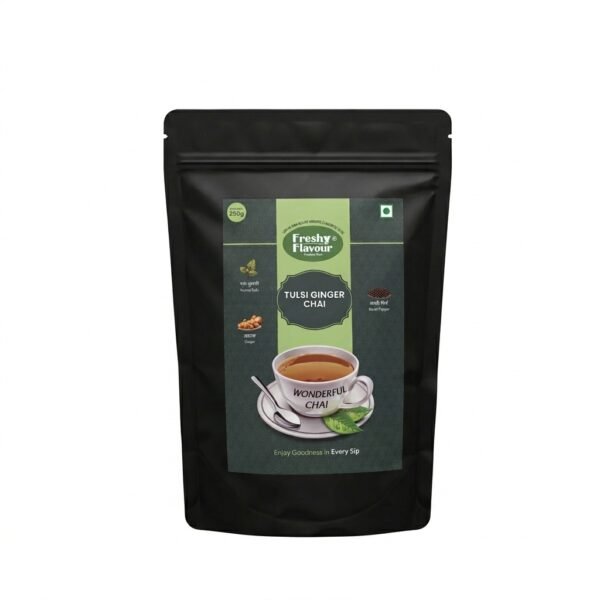
For those seeking immune support without acidity, this recipe uses holy basil (tulsi) as the star ingredient. Fresh n Flavour’s Tulsi Ginger CTC Chai captures this exact philosophy, blending tulsi’s anti-inflammatory properties with measured ginger for warmth.
Ingredients: 1 teaspoon Assam CTC, 8-10 fresh tulsi leaves (or 1/2 teaspoon dried), 3-4 thin ginger slices (not grated—whole slices steep less aggressively), 2 green cardamom pods, 200ml water, 100ml milk, jaggery or honey.
Method: Crush ginger lightly and add to water with tulsi and cardamom. Boil for 2 minutes, add tea, simmer 2-3 minutes. Add milk, strain, and serve warm. Tulsi’s natural oils settle quickly, so drink within a few minutes of brewing.
Why it works: Tulsi is traditionally valued for soothing inflammation and supporting digestive ease. Whole ginger slices (vs. grated) release their warming properties without over-stimulating acid. This acidity-free chai patti recipe is ideal for cooler months when you crave warmth without discomfort.
Recipe 3: The Roasted Chicory & Coconut Acidity-Free Chai
For those avoiding caffeine entirely while still craving chai ritual, this acidity-free chai patti variation uses roasted chicory root as a base—naturally caffeine-free, naturally alkaline, and remarkably flavorful.
Ingredients: 1 teaspoon roasted chicory root powder, 1/2 teaspoon toasted sesame seeds, 2 green cardamom pods, 1 cinnamon stick piece, 200ml water, 80ml coconut milk, honey.
Method: Toast cardamom and cinnamon lightly in a dry pan (20 seconds). Add water and simmer with chicory for 3-4 minutes. The longer steep time is safe here since chicory has no tannins. Add coconut milk, strain, and serve. Coconut milk’s natural fats further support acidity neutralization.
Why it works: Chicory root is naturally alkaline, making this acidity-free chai patti option perfect for sensitive stomachs. Roasted chicory tastes surprisingly similar to chai without any of the caffeine. Sesame seeds add earthiness and are traditionally valued for digestive support.
Recipe 4: The Rose & Mulethi Cooling Acidity-Free Chai
Perfect for the hot May summer season, this cooling acidity-free chai patti recipe uses rose petals and mulethi (liquorice) to soothe both stomach and temperament. Fresh n Flavour’s Rose Mulethi CTC Chai embodies this balance beautifully, blending fragrant florals with mulethi’s gentle sweetness.
Ingredients: 1 teaspoon Darjeeling CTC tea (lighter than Assam, fewer tannins), 8-10 dried rose petals, 1/2 teaspoon crushed mulethi stick, 2 green cardamom pods, 200ml water, 100ml milk, honey or rock sugar.
Method: Add water to a pan with mulethi and cardamom. Boil 2 minutes. Add Darjeeling tea and rose petals, simmer 2-3 minutes. Add milk, heat gently (don’t boil aggressively), strain through a fine sieve, and serve. Rose petals can leave sediment, so strain carefully.
Why it works: Darjeeling tea is naturally lighter and less astringent than Assam CTC. Rose petals are cooling (perfect for May’s heat) and are traditionally valued for soothing inflammation. Mulethi is naturally sweet, reducing the need for added sugar, and is traditionally associated with respiratory and digestive comfort.
Recipe 5: The Cinnamon & Nutmeg Digestive-Friendly Acidity-Free Chai
This spiced acidity-free chai patti recipe leans into Ayurvedic digestive principles. Cinnamon supports blood sugar balance, while nutmeg is traditionally valued for calming digestive distress. Together, they create a warming yet soothing blend.
Ingredients: 1 teaspoon Assam CTC, 2 cinnamon stick pieces, 1/4 teaspoon nutmeg powder, 2 cloves (not more—cloves can increase acidity if overused), 200ml water, 100ml milk, honey.
Method: Simmer water with cinnamon, cloves, and nutmeg for 2 minutes. Add tea, steep 2-3 minutes only. Add milk, strain, and serve immediately. The nutmeg settles quickly, so strain carefully through a fine mesh.
Why it works: Cinnamon is naturally sweet and supports stable blood sugar, which indirectly supports digestive health. Nutmeg, used traditionally in Ayurvedic formulations for centuries, is a gentle digestive aid. This acidity-free chai patti recipe is particularly good for evening consumption since it’s warming without being overstimulating.
Recipe 6: The Turmeric & Black Pepper Gentle Golden Acidity-Free Chai
Don’t let the black pepper in the name fool you—this acidity-free chai patti recipe uses black pepper sparingly, just enough to activate turmeric’s compounds without triggering acidity. Fresh n Flavour’s Turmeric CTC Chai demonstrates this balance perfectly, creating a golden, soothing cup.
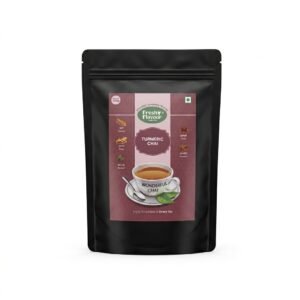
Ingredients: 1 teaspoon Assam CTC, 1/4 teaspoon turmeric powder, 1/8 teaspoon black pepper (just a pinch—this is crucial), 2 green cardamom pods, 1 small cinnamon stick piece, 200ml water, 100ml milk, honey.
Method: Toast cardamom and cinnamon in a dry pan for 20 seconds. Add water and turmeric, boil 2 minutes. Add tea and black pepper, simmer 2-3 minutes. Add milk, strain, and serve warm. The minimal black pepper is essential—it only serves to enhance turmeric absorption without aggravating acidity.
Why it works: Turmeric is traditionally valued in Ayurveda for supporting inflammatory comfort and digestive health. The pinch of black pepper activates turmeric’s bioavailability without excessive acidity stimulation. This acidity-free chai patti recipe is especially comforting for those managing chronic digestive sensitivity.
Recipe 7: The Ayurvedic 9-Herb Acidity-Free Chai
For the ultimate in digestive support, this recipe incorporates multiple Ayurvedic herbs in balanced proportions. Fresh n Flavour’s Ayurvedic CTC Chai is specifically formulated with this philosophy, blending nine traditional herbs selected for their digestive and wellness-supporting properties.
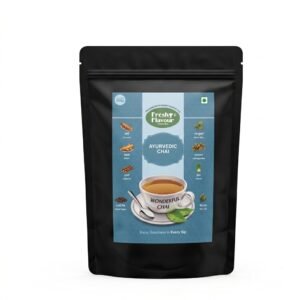
Ingredients: 1 teaspoon Assam CTC, 2 green cardamom pods, 1/2 cinnamon stick, 3-4 fennel seeds, 1/4 teaspoon coriander seeds, 2 cloves, 1/4 teaspoon ashwagandha powder, 1 bay leaf, 200ml water, 100ml milk, honey.
Method: Lightly toast all whole spices in a dry pan for 30 seconds. Add water and boil 3 minutes with the spices. Add tea, simmer 2-3 minutes. Add ashwagandha powder and milk, stir well, and strain through fine mesh. The multiple herbs create a complex, deeply satisfying flavor profile.
Why it works: This acidity-free chai patti recipe combines multiple Ayurvedic digestive supports: cardamom for digestion, cinnamon for stability, fennel for comfort, coriander for alkalinity, and ashwagandha for stress-related digestive ease. The synergy of these herbs creates a profoundly soothing cup—Enjoy Goodness in Every Sip.
Brewing Tips for Maximum Digestive Comfortrtrt
Creating acidity-free chai patti isn’t just about recipes—brewing technique matters enormously. How you brew determines whether your chai soothes or stimulates acid production.
The Golden Rule: Brew Time
For acidity-free chai patti, never exceed 3-4 minutes of brewing time for the tea leaves themselves. Conventional wisdom says “brew strong,” but for sensitive stomachs, this is counterproductive. Tannins extract logarithmically: a 2-minute steep extracts roughly 60% of available tannins, while a 5-minute steep extracts 85%+. Those extra 25% make a significant difference in acidity levels.
Think of acidity-free chai patti brewing like meditation: patience with gentleness yields better results than aggressive extraction.
Temperature Matters More Than You Think
Water temperature profoundly impacts tannin extraction. At 80-90°C, tea extracts slowly and gently. At 100°C (boiling), tannins flood the cup. For acidity-free chai patti, let water cool slightly after boiling before adding tea—just 1 minute of cooling makes a measurable difference. Your acidity-sensitive stomach will notice.
Milk: Timing and Temperature
Add milk toward the end of brewing, not at the beginning. Milk proteins bind with tannins, making them less likely to irritate your stomach, but this happens best when milk is added after initial steeping. Add milk, then bring the cup to temperature gently. Avoid aggressive boiling once milk is in—this can create compounds that feel heavier in the stomach.
The Two-Stage Infusion Method for Ultra-Gentle Acidity-Free Chai
For those with extremely sensitive stomachs, try this: steep your chai patti spices in hot (not boiling) water for 3 minutes without tea. Strain. Then brew your tea separately at 85°C for 2 minutes. Combine both liquids with milk. This two-stage method minimizes tannin extraction while maximizing flavor and digestive ease.
Fresh n Flavour’s Recommended Acidity-Free Blendsee Blends
Fresh n Flavour has spent years perfecting chai blends that deliver authentic flavor without digestive compromise. Our philosophy is rooted in understanding that not every stomach is built the same, and premium chai should be accessible to all.

Among our 14 distinct blends, several stand out specifically for their acidity-friendly properties. The Rose Mulethi CTC Chai balances floral delicacy with mulethi’s traditional soothing properties—perfect for sensitive systems. The Tulsi Ginger CTC Chai combines holy basil’s calming essence with measured ginger warmth, ideal for those seeking wellness support without digestive upset.
For the ultimate in acidity-friendly comfort, the Ayurvedic CTC Chai brings together nine carefully selected herbs that work synergistically to support digestive ease. Each blend is FSSAI-approved, hand-crafted in Ahmedabad, and delivered fresh across pan-India with free shipping above ₹499.
The beauty of choosing Fresh n Flavour’s pre-blended acidity-free chai patti options is consistency. You don’t have to measure spices or worry about proportions—every cup tastes the same, performs the same, and treats your stomach the same way. Premium quality meets digestive intelligence.
Whether you’re brewing at home using our seven recipes or reaching for a pre-made blend, remember this: chai is meant to be a moment of joy, not a source of worry. With the right acidity-free chai patti choices and proper brewing techniques, you can reclaim that joy fully.
🍵 Try Ayurvedic CTC Chai
9 traditional Ayurvedic herbs blended with Assam CTC for daily wellness and digestive comfort. FSSAI-certified, hand-crafted, 100% natural.
Shop Now →