

Table of Contents
Tea is more than just a beverage in India—it’s a morning ritual, an afternoon comfort, and a reason to pause and reconnect. But when you brew your cup of chai, are you truly drinking pure tea? The unfortunate reality is that adulterated tea has become alarmingly common in the Indian market. From cheap fillers to artificial colours, many tea brands compromise on purity to boost profits. In this guide, we’ll show you how to identify adulterated tea using seven simple tests you can perform at home.
As an Indian consumer, you deserve transparency about what’s in your cup. This post will equip you with practical knowledge to distinguish pure chai patti from counterfeit blends—and help you understand why brands like Fresh n Flavour prioritise authentic, unadulterated tea crafted with real whole spices.
Why Adulterated Tea is a Serious Problem
Tea adulteration is not a new phenomenon. The British colonial tea industry documented cases of adulterated tea being sold in London markets as early as the 1800s. However, the problem has only intensified in modern India, where cost-cutting and profit maximisation drive many manufacturers to blend inferior teas with fillers, dyes, and artificial flavours.
The Health and Economic Impact
When you purchase adulterated tea, you’re not just losing money on inferior quality—you may also be consuming harmful substances. Cheap fillers like dried leaves, twigs, and even paper dust can be mixed with authentic tea leaves. Some unscrupulous sellers add artificial colours (like Yellow 5, Red 40) that are banned in several countries but still prevalent in India.
According to studies by tea research institutions, approximately 30-40% of loose tea sold in Indian markets contains some form of adulteration. This means when you buy random tea from local shops, there’s a significant chance your chai patti isn’t pure.
Why Adulteration Happens
Manufacturers adulterate tea for one simple reason: profit. Real Assam CTC tea and authentic Darjeeling tea leaves are expensive. By mixing them with cheaper materials—dust, broken leaves, grass, saw dust—sellers can increase volumes and reduce costs dramatically. The consumer rarely knows the difference until they taste it or perform home tests.
What Makes Tea Adulterated?
Before we dive into detection methods, let’s understand what qualifies as adulterated tea. Pure chai patti should contain only whole or broken tea leaves (from Camellia sinensis plant) blended with real spices or herbs—nothing more.
Common Adulterants in Indian Tea
The most common adulterants found in Indian tea include: (1) Tea dust and fannings (broken leaf fragments that should be discarded), (2) Dried leaves from other plants (grass, tamarind leaf, neem), (3) Twigs and stems, (4) Artificial colours and flavours, (5) Fillers like rice husks or sawdust, (6) Synthetic spice flavouring instead of real spices, and (7) Starch or powder to increase weight.
What makes this particularly troubling is that adulterated tea can look almost identical to pure chai patti at first glance. The colour may appear normal, the aroma might seem acceptable—but once brewed, the difference becomes apparent.
Why Testing at Home Matters
Unlike packaged foods with ingredient labels, loose chai patti purchases often come with minimal information. You’re trusting the seller’s word about quality. By learning these seven tests, you become your own quality inspector, protecting yourself and your family from adulterated products.
7 Simple Tests to Spot Adulterated Tea at Home
These seven tests require nothing more than common household items. Each one reveals different types of adulterants. For best results, perform all seven tests on any new tea brand you try.
Test 1: The Visual Inspection (Colour and Consistency)
Spread your chai patti on a white paper or plate in good natural light. Pure tea leaves should be dark brown to almost black (for CTC blends) or golden-brown with tips (for Orthodox varieties). They should be relatively uniform in size.
What to look for: If you see bright red, yellow, or orange colouring, it’s likely artificial dye. If the mixture contains visible dust, twigs, or debris, the tea has been adulterated. Strong & Tasteful Chai from Fresh n Flavour showcases what properly sorted tea leaves look like—consistent, dark, and free of extraneous matter.
Pure tea leaves should have a uniform appearance. Adulterated blends often contain obvious foreign materials—thin twigs, dried plant matter, or unnatural colouration that stands out immediately.
Test 2: The Aroma Test (Nose Check)
Bring a handful of dry chai patti close to your nose and inhale deeply. Pure tea has a distinct, pleasant woody-floral aroma. Cardamom, ginger, and other whole spices should be identifiable if the blend includes them.
What to look for: If the aroma is overly sweet, chemical, or artificial, the tea likely contains synthetic flavouring rather than real spices. If there’s no aroma at all, it may be old tea or heavily adulterated with dust.
Genuine chai patti smells earthy and grassy (for fresh teas) or malty and robust (for aged CTC blends). Artificial flavours produce a cloying, almost plastic-like smell that feels nothing like authentic spiced chai.
Test 3: The Water Dissolution Test
Place a small handful of chai patti in a glass of cold water and let it sit for 5 minutes without stirring. Watch carefully for what happens.
What to look for: Real tea leaves will soften and begin to expand. The water should gradually turn slightly golden or brownish. If dust or powder immediately clouds the water, or if the colour becomes unnaturally bright or murky within seconds, adulteration is likely.
Pure adulterated tea shows gradual colour development. Fake blends often release artificial colours immediately in a way that feels unnatural—the water might turn neon-coloured or remain cloudy instead of gradually clarifying.
Test 4: The Leaf Separation Test
Soak a tablespoon of dry chai patti in warm water for 10 minutes. Then carefully examine what settles at the bottom of the cup.
What to look for: Real tea leaves will mostly float or remain as identifiable leaf particles. They should expand and become soft. If there’s a significant layer of fine dust or powder at the bottom, or if particles don’t expand (suggesting they’re not actual tea leaves), the chai patti is adulterated.
Pure chai patti leaves maintain their integrity when steeped. Dust and fillers create a fine sediment that never transforms into leaf-like material, no matter how long you steep.
Test 5: The Floatation Test
Add a few dried tea leaves to a glass of water. Real tea leaves have a density that causes them to eventually sink, but they’ll float briefly initially before slowly descending over 5-10 minutes.
What to look for: Tea leaves that sink immediately suggest they’ve been treated with added weight (starch or powder). Leaves that float indefinitely aren’t real tea leaves at all. The natural sinking action of authentic leaves is a reliable indicator of purity.
This simple test is remarkably effective at detecting fillers like rice husks or artificial materials that either refuse to sink or sink too quickly due to added weight.
Test 6: The Starch Test (Iodine Method)
Brew your chai patti as normal and let it cool to room temperature. Add a single drop of iodine (the antiseptic liquid from your first aid kit) to the cooled tea.
What to look for: If the tea turns blue or dark purple, starch is present. Pure tea should show minimal colour change or stay brownish. Starch indicates that filler materials have been added to increase weight and bulk—a classic form of adulterated tea.
This test is particularly useful because it’s foolproof and requires only a basic household item. Many unscrupulous sellers add cheap starches to boost the apparent quantity of tea without increasing actual leaf content.
Test 7: The Taste and Brew Test (Final Judgment)
Brew the chai patti properly: use water at 95-100°C, steep for 3-5 minutes. Observe the colour, aroma, and taste.
What to look for: Pure chai should taste full-bodied, slightly astringent (which is natural), and clean. The flavour should come from real spices—you should taste individual notes, not a generic “spiced” taste. If the tea tastes weak, chemical, or overly bitter, it’s likely adulterated.
Real chai develops a smooth, complex flavour profile. Adulterated blends taste one-dimensional, often overly bitter (from dust) or artificially sweet (from synthetic flavours). Fresh n Flavour’s Strong & Tasteful Chai demonstrates the difference—each sip reveals the malty depth of premium Assam CTC, without artificial overtones.
How to Choose Pure Chai Patti
Now that you know how to detect adulterated tea, let’s discuss how to prevent buying it in the first place.
Buy from Transparent Brands
Choose tea brands that clearly list every ingredient on their packaging. At minimum, you should see: type of tea (Assam CTC, Darjeeling, Dooars), region of origin, and specific spices used. If a brand lists only “tea” and “spices” without details, it’s a red flag for potential adulteration.
Fresh n Flavour lists every single ingredient in every blend. For example, their Strong & Tasteful Chai explicitly states “Garden Fresh Premium Assam & Darjeeling CTC”—you know exactly what you’re getting. This transparency is a hallmark of ethical tea brands that have nothing to hide.
Look for Certification and Small-Batch Blending
While FSSAI certification is standard in India, what truly matters is the brand’s commitment to sourcing and blending practices. Seek brands that hand-blend in small batches using whole spices, not synthetic flavouring. Brands that highlight their origin story—like being hand-blended in Ahmedabad—show they’re proud of their process.
Small-batch blending allows manufacturers to maintain strict quality control. When you buy from such brands, you’re supporting practices that prevent adulteration at the source.
Avoid Suspiciously Cheap Prices
If a premium chai patti is priced significantly below market rate, there’s likely a reason. Real Assam CTC tea costs money. Quality whole spices cost money. A genuinely pure chai patti cannot be sold at extremely low prices without the seller losing profit. Unrealistically cheap tea is almost certainly adulterated tea.
Why Premium Blends Matter
It’s tempting to buy the cheapest chai patti available, but quality matters more than price. Here’s why investing in pure chai patti is worth it.
Flavour and Enjoyment
Pure, high-quality tea simply tastes better. The difference between adulterated and authentic chai is immediately obvious in the first sip. When you brew a cup of Fresh n Flavour chai, you’re experiencing the “Enjoy Goodness in Every Sip” philosophy—real tea leaves, real spices, no shortcuts. The complexity of flavour, the smoothness of the brew, and the lingering aftertaste of quality chai is something adulterated tea can never replicate.
Health and Wellness
When you drink pure chai made from authentic ingredients, you’re consuming what you intend—not mystery fillers or artificial chemicals. The wellness benefits traditionally associated with chai spices (like digestive support from ginger and cardamom) come from the real, whole spices—not synthetic flavouring designed to mimic them.
Supporting Ethical Practices
Brands that refuse to adulterate tea are choosing integrity over maximum profit. When you buy from Fresh n Flavour, you’re supporting a brand that sources premium Assam and Darjeeling teas, hand-blends them in small batches in Ahmedabad, and uses only real whole spices. This ethical approach means fewer resources wasted on deception and more resources dedicated to quality.
Understanding the Fresh n Flavour Difference
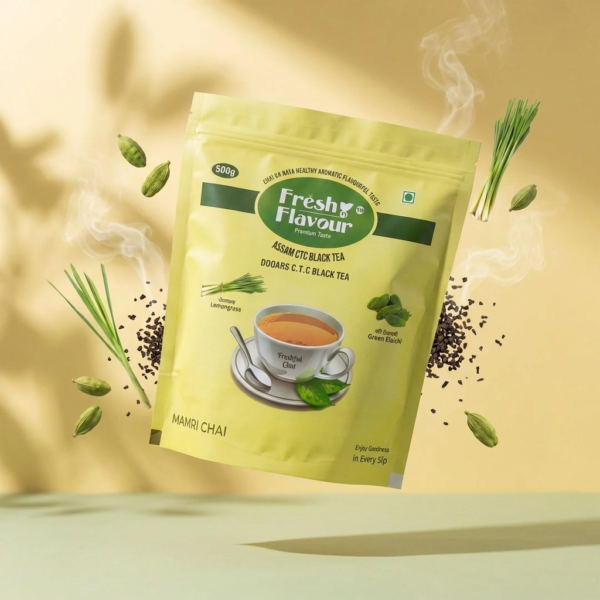
Fresh n Flavour’s commitment to purity means their Strong & Tasteful Chai and other blends never contain fillers, artificial colours, or synthetic flavours. Every batch is hand-crafted. The “no acidity” recipe in their Delightful and Flavourful blends (using lemongrass, cardamom, mint, and nutmeg) neutralizes milk-tea acidity naturally—without compromises or artificial additives.
When you choose Fresh n Flavour, you’re choosing a brand where every ingredient serves a purpose, and nothing is hidden. That’s the opposite of adulterated tea.
The Long-Term Value Perspective
Premium chai might cost slightly more per cup, but consider the value: you taste better chai, you drink less of it (because it satisfies more deeply), you avoid potential health impacts from adulterants, and you support ethical businesses. Over a year, the difference in cost is minimal compared to the difference in quality and peace of mind.
🍵 Experience Pure Chai with Strong & Tasteful
A bold, malty blend of Garden Fresh Premium Assam & Darjeeling CTC—absolutely pure, no adulterants. Taste the difference that authentic tea makes in every cup.
Shop Now →