

At a glance
Gavati chaha in Hindi translates to lemongrass tea — a black tea brewed with fresh or dried lemongrass stalks for a citrusy, grassy aroma. The word “gavati” comes from Marathi, but the tea itself is enjoyed across Hindi-speaking states too.
- Does gavati chaha taste like: Gavati chaha tastes bright, citrusy, and slightly grassy, with the lemongrass cutting through the malty depth of black tea.
- Choose the right gavati chaha: Choosing the right gavati chaha depends on how strong you like your tea, whether you want added spices like ginger, and whether you prefer loose…
- Gavati chaha vs regular Masala: Gavati chaha is lighter and citrus-led, while regular masala chai leans on warm spices like ginger, cinnamon, and black pepper for a sharper, spicier cup.
- Picking the right one: If you want the classic gavati chaha experience with a smoother, rounder cup, Delightful Chai is the closest ready-made match, built on Assam and…
If you’ve heard the phrase gavati chaha in Hindi and wondered what it means, the short answer is simple: it refers to lemongrass tea. “Gavati” is a Marathi word for lemongrass, and “chaha” means tea, so the Hindi equivalent is often spoken as lemongrass wali chai or simply “gavati chaha,” since the term has traveled across regional languages without much translation.
This cup is especially popular in Maharashtra and Gujarat, where fresh lemongrass stalks grow easily and find their way into the evening kettle. As November brings cooler mornings and Diwali lights to most of India, this citrusy, grassy chai becomes a comforting choice for many households preparing for festive mornings and guests.
In this guide, we’ll explain what gavati chaha tastes like, how it differs from regular masala chai, and how to choose the right blend for your kitchen. We’ll also show you where Fresh n Flavour fits into this picture with its own lemongrass-forward recipes.
Mentioned in this guide
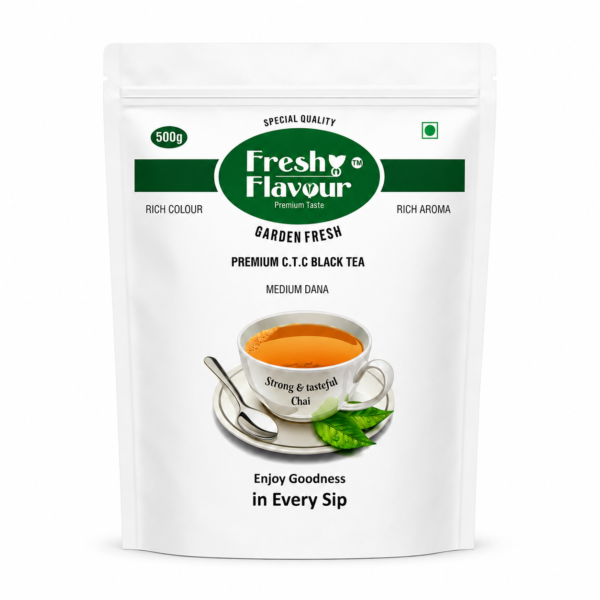
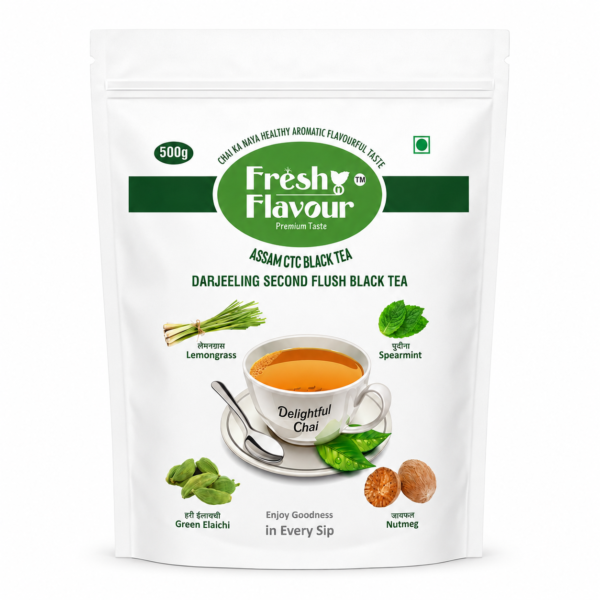
Delightful Chai Patti Online — Delightful blends Assam CTC with Darjeeling Second Flush, lemongrass & botanicals. The best…
250 g ₹450 · 500 g ₹650 ₹899
What Does Gavati Chaha in Hindi Mean?
Where the Term Comes From
Lemongrass grows abundantly in home gardens across western India, which is why the Marathi term “gavati” (meaning “of the village” or “local”) stuck. In Hindi, people often just say “lemongrass chai” or borrow the Marathi phrase directly.
You’ll hear gavati chaha used interchangeably in Pune, Mumbai, and even parts of Gujarat, where Fresh n Flavour is based in Ahmedabad. The brand understands this regional love for lemongrass and has built it into more than one blend.
Why Lemongrass Became a Chai Staple
Lemongrass brings a citrus, grassy aroma that cuts through the richness of milk and black tea. Home cooks have used it for generations, often plucking stalks straight from a backyard plant and crushing them before adding to the pot.
According to the historical spice-blending traditions recorded in The Indian Cookery Book (1880) by ‘A Thirty-Five Years Resident,’ Indian households have long experimented with local herbs and aromatics in daily cooking, a practice that extended naturally into tea-making as chai culture spread in the 19th and 20th centuries.
What Does Gavati Chaha Taste Like?
Gavati chaha tastes bright, citrusy, and slightly grassy, with the lemongrass cutting through the malty depth of black tea. It’s less heavy than a spice-loaded masala chai and leaves a refreshing, clean finish on the palate.
The Role of Supporting Ingredients
Most gavati chaha recipes don’t stop at lemongrass alone. A touch of green cardamom adds a sweet, floral lift, while mint can bring a cool, minty finish to balance the citrus notes.
This is exactly the combination Fresh n Flavour’s Delightful Chai uses — Assam CTC, Darjeeling Second Flush, lemongrass, mint, green cardamom, and nutmeg, all blended into one pouch so you don’t have to measure out five separate jars at home.
Why the Cup Feels Lighter
This is a defining trait of a well-made gavati chaha.
In fact, Fresh n Flavour’s Delightful and Flavourful blends are built around this exact idea — the lemongrass, cardamom and mint buffer the acidity of the tea, giving you a smoother cup without any bitterness at the end.
How Do You Choose the Right Gavati Chaha?
Choosing the right gavati chaha depends on how strong you like your tea, whether you want added spices like ginger, and whether you prefer loose fresh lemongrass or a ready blend with the stalks already dried and mixed in.
Decide on Strength First
If you enjoy a robust, kadak cup, look for a blend with a higher proportion of Assam CTC. If you prefer something gentler for the evening, a Darjeeling-forward blend with more lemongrass will suit you better.
- Strong base: More Assam CTC, bold malty backbone
- Balanced base: Assam plus Darjeeling Second Flush for lighter body
- Citrus-forward: Higher lemongrass ratio with mint for a cooler finish
- Spiced version: Added ginger or cardamom for extra warmth
Check the Ingredient List on the Pack
A genuine gavati chaha should list lemongrass clearly among its ingredients, not just as a flavoring note. Fresh n Flavour prints its full blend composition on every pouch, so you know exactly what Assam or Darjeeling tea and spices are inside.
For those who want convenience without compromising on taste, the Delightful Chai pouch is a ready option that already combines Assam CTC, Darjeeling Second Flush, lemongrass, mint, green cardamom and nutmeg.
Gavati Chaha vs Regular Masala Chai
Gavati chaha is lighter and citrus-led, while regular masala chai leans on warm spices like ginger, cinnamon, and black pepper for a sharper, spicier cup. Both are brewed with milk, but the flavor direction is quite different.
Comparing the Two Styles
| Feature | Gavati Chaha | Regular Masala Chai |
|---|---|---|
| Main flavor | Citrusy, grassy, cooling | Warm, peppery, spiced |
| Key ingredient | Lemongrass | Ginger and black pepper |
| Best time of day | Evening or light mornings | Early morning, strong start |
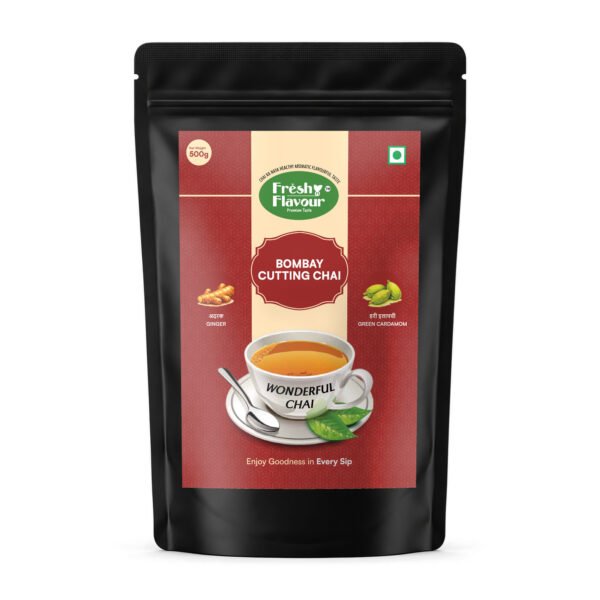
| Fresh n Flavour match | Delightful, Flavourful, Freshful | Bombay Cutting, Calcutta Street |
| Cup character | Smoother, rounder finish | Bold, kadak, intense |
Which Suits Festive Season Better?
During Diwali week, when guests drop by through the day, a gavati chaha works well as a lighter, refreshing offering between heavier festive sweets. A bolder masala chai suits early mornings before the household gets busy with celebrations.
If you’re assembling a Diwali hamper this year, pairing a lemongrass-forward blend with a spiced one gives guests variety. The Fresh n Flavour range includes 14 distinct recipes, so you’re never stuck with just one flavor at home.
Which One Should You Pick?
If you want the classic gavati chaha experience with a smoother, rounder cup, Delightful Chai is the closest ready-made match, built on Assam and Darjeeling tea with lemongrass, mint, and cardamom.
If you prefer a slightly bolder cup with the same citrus base, try Flavourful Chai, which uses Assam and Dooars CTC along with lemongrass, mint, cardamom, and nutmeg for a fuller body.
If mornings call for something stronger and spicier instead of a citrus note, Delightful or Flavourful are not the right pick — reach for Bombay Cutting Chai or Calcutta Street CTC Chai instead, both built around ginger and cardamom.
For anyone newly curious about gavati chaha in Hindi-speaking households, starting with the 250g size of a lemongrass-forward blend is a low-commitment way to taste the style before buying larger packs.
A Quick Note on Brewing
Gavati chaha is traditionally simmered rather than steeped briefly, letting the lemongrass release its full citrus character into the milk and water. A short two-minute boil often isn’t enough to draw out the aroma fully.
Suggested Ratio
For a classic cup, use roughly one teaspoon of tea per cup of water, simmered gently for three to four minutes with milk added halfway through. This timing allows the lemongrass aroma to fully blend with the tea base.
As documented in Harold Mann’s 1918 study of Assam tea cultivation (Tea production in Assam), Assam leaf was prized for its strong, malty character — which is exactly why it forms the base of most gavati chaha blends even today, carrying the citrus notes without losing body.
Brewing it this way at home during the misty pre-winter mornings of November makes for a comforting start to the day, especially as Diwali preparations keep kitchens busy with guests arriving at odd hours.
Enjoying Gavati Chaha Through the Festive Season
Gavati chaha fits naturally into Diwali, Bhai Dooj, and Dev Deepawali gatherings because it serves well both hot and slightly cooled, unlike heavily spiced chai which is best only piping hot. This makes it convenient when serving many guests at once.
Our pick
Delightful Chai Patti Online — Delightful blends Assam CTC with Darjeeling Second Flush, lemongrass & botanicals. The best…
250 g ₹450 · 500 g ₹650 ₹899
Gifting Lemongrass Chai This Diwali
Gifting a chai blend this season is becoming common alongside sweets and dry fruits. A pouch of Fresh n Flavour’s Delightful Chai, paired with a smaller complementary blend, makes a thoughtful, practical gift that lasts well beyond the festival days.
Enjoy Goodness in Every Sip isn’t just a tagline for Fresh n Flavour — it reflects the idea that a good cup should feel comforting and unforced, something gavati chaha achieves with its gentle citrus profile.
Shop the blends in this guide
Frequently asked questions
What does gavati chaha in Hindi mean?
Gavati chaha in Hindi refers to lemongrass tea. The word gavati comes from Marathi, meaning local or village-grown, describing the lemongrass used to flavor the tea. In Hindi, it’s often simply called lemongrass chai or referred to using the same Marathi phrase.
Is gavati chaha the same as regular masala chai?
No, gavati chaha is lighter and citrus-forward due to lemongrass, while masala chai typically leans on ginger, cinnamon, and black pepper for a spicier, warmer profile. Both are milk-based teas, but their flavor direction and intensity differ noticeably.
Which Fresh n Flavour blend is closest to gavati chaha?
Delightful Chai is the closest match, made with Assam CTC, Darjeeling Second Flush, lemongrass, mint, green cardamom, and nutmeg. Flavourful Chai is a slightly bolder alternative using Assam and Dooars CTC with the same citrus-forward lemongrass base.
Can I make gavati chaha in Hindi-speaking regions with fresh lemongrass?
Yes, fresh lemongrass stalks can be crushed and simmered directly into the tea, though availability varies by region. A ready blend with dried lemongrass, like those from Fresh n Flavour, offers consistent flavor without needing fresh stalks on hand.
Does gavati chaha taste bitter like strong black tea?
No, a well-made gavati chaha tends to taste smoother and rounder rather than bitter, since lemongrass, cardamom, and mint help balance the sharper notes of black tea, resulting in a cleaner, more refreshing finish.