

Table of Contents
In our fast-paced world, a cup of chai is still the pause so many of us reach for. For centuries, Indians have known that a warm, aromatic cup of chai isn’t just a beverage—it’s a daily ritual, a moment to sit down, and a reason to slow the day. Whether you’re dealing with the pre-summer heat of April or a busy daily routine, making time for a proper cup of chai can become the part of the day you look forward to.
Fresh n Flavour’s premium chai patti blends are crafted for people who love a calm, aromatic cup. With our tagline “Enjoy Goodness in Every Sip,” we’ve mastered the art of combining Assam and Dooars tea leaves with real spices and herbs—each ingredient chosen for its taste and aroma. In this guide, we’ll explore the tradition, the ingredients and practical ways to make chai a calm, unhurried break in your working day.
How Chai Became a Daily Ritual Through Ancient Wisdom
The tradition of chai drinking has deep roots in Indian culture, spanning thousands of years. In Indian homes, chai has long been more than a beverage: it is a warm cup shared with family and guests. The practice of slowing down to prepare and sip chai is itself a quiet habit—a moment where chai becomes a daily ritual simply by creating space for pause in your busy day.
When you hold a warm cup of chai in your hands, the day slows down a little. The warmth, the aroma of the spices and the first sip make it a natural pause. This is especially welcome during the hot April season, when long days and humidity make a short break feel earned. The ritual itself becomes a small daily habit, reminding you to sit down, sip slowly, and enjoy the present moment.
The spices in traditional chai—cardamom, ginger, clove, and cinnamon—have been part of Indian kitchens and Ayurvedic tradition for millennia. These aren’t random ingredients; each one was chosen for its aroma and flavour. Ginger, for instance, is known as “adrak” in Hindi, and it’s loved for its warm bite. When multiple spices work together in a well-crafted blend, chai becomes a daily ritual through a layered flavour that no single spice can give on its own.
Try it yourself
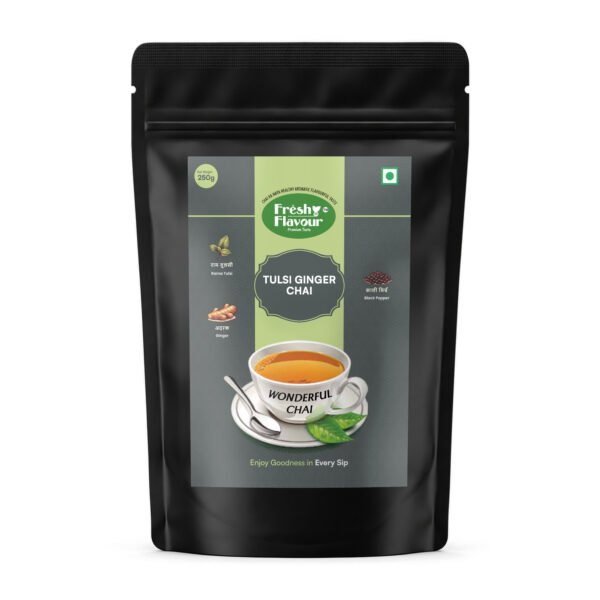
Tulsi Ginger CTC Chai
★★★★★ (1)Tulsi Ginger chai patti online — holy basil + ginger + Assam CTC for a bright, peppery cup.…
(incl. GST)
Shop now →The Ritual Behind a Quiet Cup of Chai
Ayurveda and Indian kitchen tradition have long seen a chai break as a moment to slow down. The main ingredients behind the cup are black tea and spices, which naturally contain caffeine, polyphenols and aromatic essential oils. Here is what each one brings to the cup.
Black Tea Base: Black tea, the foundation of quality chai, naturally contains caffeine. Chai has a rounded, malty body, and with milk and spices it makes a warm, unhurried cup that many people enjoy at the same time every day. This is part of why chai is a favourite calm break in Indian homes and offices.
Polyphenols and Colour: chai patti (Crush, Tear, Curl) contains catechins and theaflavins—natural tea compounds that give strong CTC chai its deep amber colour and brisk, slightly astringent taste. These compounds are part of why a well-brewed cup has a rich colour and full body once milk is added.
Spice Compounds and Flavour: Ginger contains gingerol and shogaol, the compounds behind its pungent, warming bite. Turmeric’s curcumin gives haldi its golden colour and earthy taste. When chai is brewed with these spices, you get a cup with real heat and colour, not just sweetness.
If you want to read more, NCBI has published research on tea. We share it only as background reading, not as a claim about our chai. What we can say is simple: black tea naturally contains caffeine, and a warm cup of chai has been a calm daily ritual in India for generations.
Caffeine in Chai: Black tea contains caffeine, and a cup of chai usually has less caffeine than a cup of coffee. Milk and spices give it a rounded, warming taste. For many people, chai is the easy-going middle ground between plain water and a strong coffee, and a chai break is a calm pause in a busy day.
Chai as a Mid-Day Break
Beyond taste, a chai break gives you a pause in the working day. During India’s hot pre-summer months, when temperatures reach 30-38°C, long afternoons can feel heavy. This is where a well-made cup of chai, hot or iced, becomes a welcome part of the routine.
The polyphenols in chai patti give the cup its colour and briskness, and moderate caffeine is part of what makes tea taste like tea. With warm milk and spices, a cup of chai makes a pleasant break before you get back to your desk.
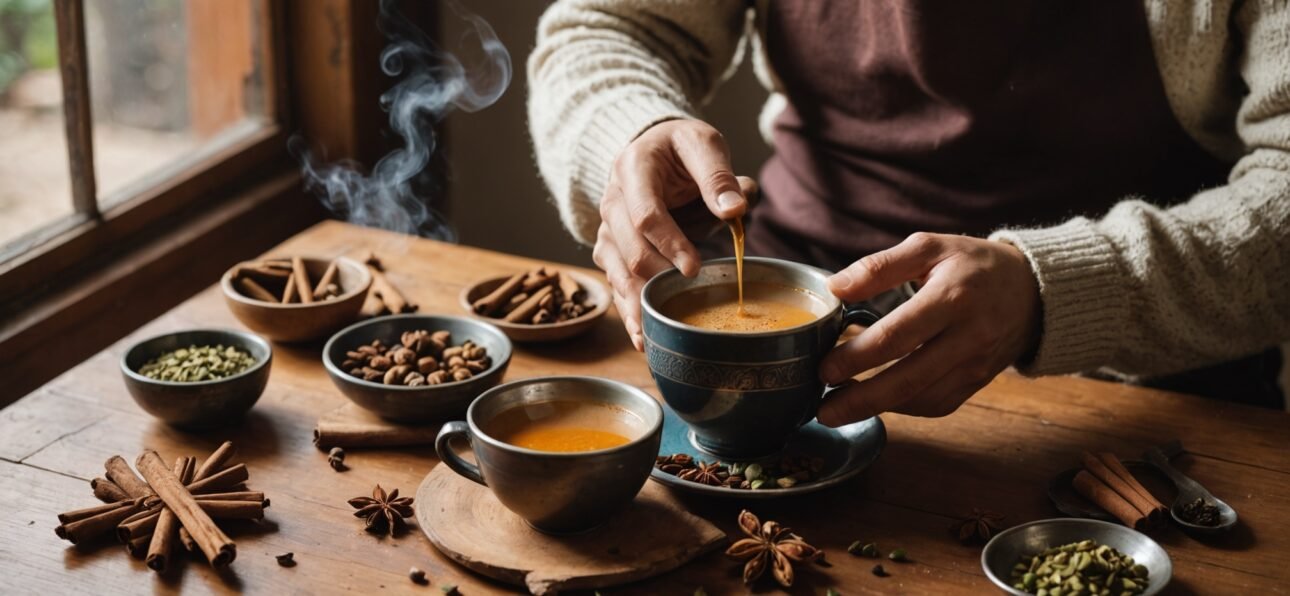
The Ritual of the Chai Break: There’s also a ritual to it. The act of preparing chai—boiling water, adding spices, steeping leaves—engages your senses with aroma, colour and sound, and anchors you to the present moment. When chai is made by hand as a ritual, it becomes a natural pause between tasks.
Spices That Add Character: Green elaichi (green cardamom) has been a favourite in Indian chai for generations for its sweet, floral aroma. Cinnamon adds a warm, woody sweetness. When you sip a well-crafted chai blend, each spice comes through clearly, giving you a cup worth slowing down for.
Try Tulsi Ginger C.T.C. Chai for a blend that combines the warm bite of ginger with the peppery, herbal aroma of holy basil. This combination is a favourite for a warming cup during long work days.
Best Chai Blends for a Calm, Aromatic Cup
Not all chai blends taste the same. Some blends emphasize boldness and strength; others lean on aromatic spices and gentle herbs. For a calm, aromatic chai break, choose the combination of ingredients you enjoy most.
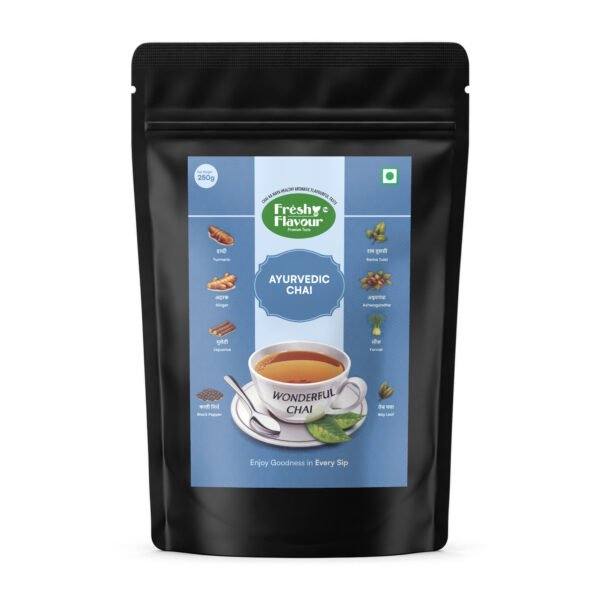
Ayurvedic Chai for a Herbal Cup: Our Ayurvedic Chai C.T.C. Chai is blended with herbs and spices drawn from traditional Ayurvedic recipes. It brings several herbs together in one cup, for those who like a layered, herbal chai. When chai is made with Ayurvedic herbs, you get a fuller, more complex aroma than a plain spiced cup.
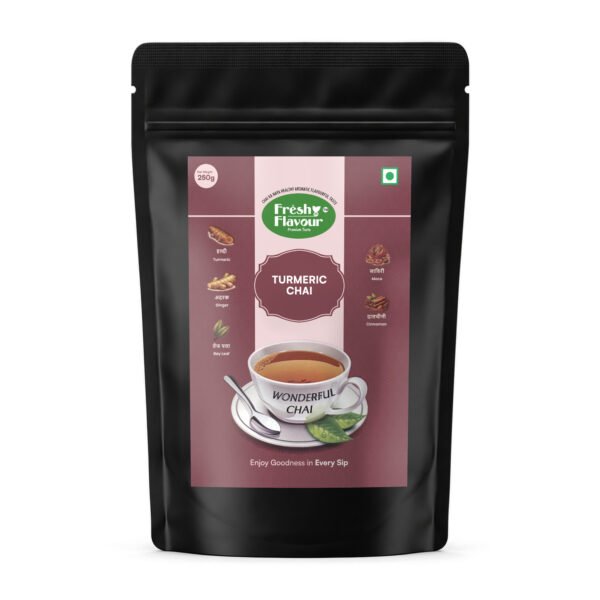
Turmeric for a Golden Cup: Our Turmeric C.T.C Chai brings the colour and earthy warmth of haldi (turmeric) to strong CTC tea. This blend is perfect for those who love a golden, gently spiced chai. When chai is brewed with turmeric, you get a cup with a deep colour and a warm, earthy finish.
Rose and Mulethi for a Floral Cup: Our Rose Mulethi C.T.C. Chai combines rose petals (long used in Indian sweets and drinks) with mulethi (licorice root), which adds a natural sweetness. Rose has a gentle floral aroma, while mulethi rounds out the cup with a soft, sweet finish.
Key Spices for a Calm Cup: Popular chai blends contain: cardamom (sweet and floral), ginger (pungent and warming), cloves (warm and aromatic), and cinnamon (woody and sweet). When chai is brewed with these combined spices, you’re getting a recipe that’s been refined in Indian kitchens over centuries.
During April’s heat, cold chai or iced chai preparations are particularly refreshing. The chill makes it easy to sip while the spices keep their full aroma. Steep your chai at full strength, then pour over ice with milk and a touch of honey for an instantly refreshing afternoon drink.
How to Brew the Perfect Unhurried Cup
To truly experience how chai becomes a daily ritual, proper brewing is essential. The extraction process matters significantly. Brewing too briefly gives a thin, weak cup; brewing too long can create bitterness that spoils the flavour.
The Optimal Brewing Method: Use water heated to 95-98°C (just below boiling). Add one heaping teaspoon of loose leaf chai per cup, plus one for the pot. Steep for 3-4 minutes—this duration draws out colour, flavour and spice aroma without over-extraction. The resulting brew should be fragrant and rich, not harsh.
Milk and Sweetening for a Rounder Cup: Traditional chai is served with milk, which serves multiple purposes. Milk softens the briskness of strong tea and gives the cup its creamy body and colour. When chai is made the traditional way, milk is part of the recipe. Use whole milk or plant-based alternatives like almond or oat milk for creaminess.
Temperature Matters for the Experience: Warm chai is the classic comfort cup, with spices that open up fully in the heat. However, during April’s heat wave, iced chai is the more refreshing choice. The key is consistency: drink chai at the same time daily to make it a calm ritual.
How Much to Drink: One to two cups of quality chai daily is a comfortable amount for most people. Black tea contains caffeine, so keep an eye on how many cups you have. More than three cups may feel too strong for those sensitive to caffeine.
Time Your Chai: Morning chai (within 1-2 hours of waking) is a classic start to the day. Afternoon chai (around 3 PM) makes a welcome break after lunch. Avoid chai after 5 PM if you’re sensitive to caffeine, as black tea contains caffeine and you may prefer a calm evening routine without it.
Start with Fresh n Flavour’s versatile blends. Our premium chai patti tea leaves are hand-blended with real spices, ensuring consistent quality with every brew. With free shipping on every order, building a daily chai habit is accessible and affordable.
Try it yourself
Ayurvedic CTC Chai
★★★★★ (2)Ayurvedic chai patti online — 9 traditional ayurvedic herbs blended with Assam CTC for a bold, aromatic cup.…
(incl. GST)
Shop now →The Ritual of the Daily Cup
Beyond the taste, chai becomes a daily ritual through the ritual itself. In Indian culture, chai time is sacred—a moment to pause, connect with others, and breathe deeply. Whether you’re sharing chai with family, colleagues, or simply with yourself, this intentional pause is comforting.
During April’s rush—festival season with Ram Navami, Baisakhi, and Chaitra Navratri celebrations—days naturally get busier. Establishing a chai ritual provides an anchor, a few quiet minutes amidst the bustle. Even 10 minutes with a warm cup of quality chai makes a welcome break in a packed day.
The sensory side of the ritual is easy to notice: the aroma of cardamom and ginger rising from the pot, the warmth of the cup in your hands, and the taste of each slow sip. When chai becomes a daily ritual through all these senses at once, the whole cup becomes more enjoyable than any single spice on its own.
Making Masala Chai a Long-Term Ritual
Regular chai drinking builds a daily habit you look forward to. Over weeks and months, as a chai break becomes part of your routine, you’ll notice how much you enjoy the pause: the aroma, the warmth, the few quiet minutes with a cup.
The polyphenols in chai patti are part of what gives black tea its brisk character and deep colour. When you drink quality chai daily, you start noticing the difference between blends: strength, aroma, and how each one takes milk.
Consistency is key. Occasional chai is a treat; a daily chai at the same time becomes a ritual. Within a few weeks, that cup simply becomes part of how your day runs, and the pause is something you start to plan around.
Remember: chai becomes a daily ritual most easily when the cup has a fixed place in your routine—after a meal, at a work break or with family in the evening. That regularity is what makes the habit feel easy and enjoyable.
🍵 Enjoy a Warm, Earthy Cup with Turmeric C.T.C Chai
Our turmeric chai blend combines premium chai patti tea with haldi and warming spices. Perfect for a warm, earthy daily cup with a golden colour.
Shop Now →Frequently Asked Questions
How soon does chai become a daily ritual?
Most people settle into a chai routine within the first few days. The aroma and warmth are there from the first sip, and the ritual builds over weeks of regular drinking as it becomes a fixed part of your day.
Can I enjoy chai at any time of day?
Yes, but timing matters. Morning and early afternoon chai suit most people. Evening chai is fine if consumed before 5 PM. Avoid late-night chai if you’re sensitive to caffeine. The warm ritual itself makes a calm pause at any hour, but a consistent daytime cup is the easiest habit to keep.
Which chai blends work well for an aromatic chai break?
Blends containing ginger, cardamom, and turmeric are popular for a warm, aromatic cup. Our Ayurvedic Chai and Turmeric C.T.C Chai are blended for those who like a herbal, spiced chai. Blends with rose and mulethi add a floral, sweet note. Start with one and see which taste you like best.
How does chai compare to coffee?
Coffee usually has more caffeine than chai. Chai brings tea, milk and warming spices together in one cup, so it tastes rounder and more aromatic. Coffee works well for some; chai suits those who prefer a lighter, spiced cup.
Can I drink chai if I’m taking medication?
Chai is a beverage, not a treatment. If you are taking any medication, check with your doctor before making changes to what you drink, including chai and herbal blends. Black tea contains caffeine, so ask your doctor whether that matters for you.
Shop the blends in this guide
Frequently Asked Questions
Try it yourself
Turmeric CTC Chai
Turmeric chai patti online — haldi + ginger + cinnamon + Assam CTC for a golden, earthy cup.…
(incl. GST)
Shop now →