

Table of Contents
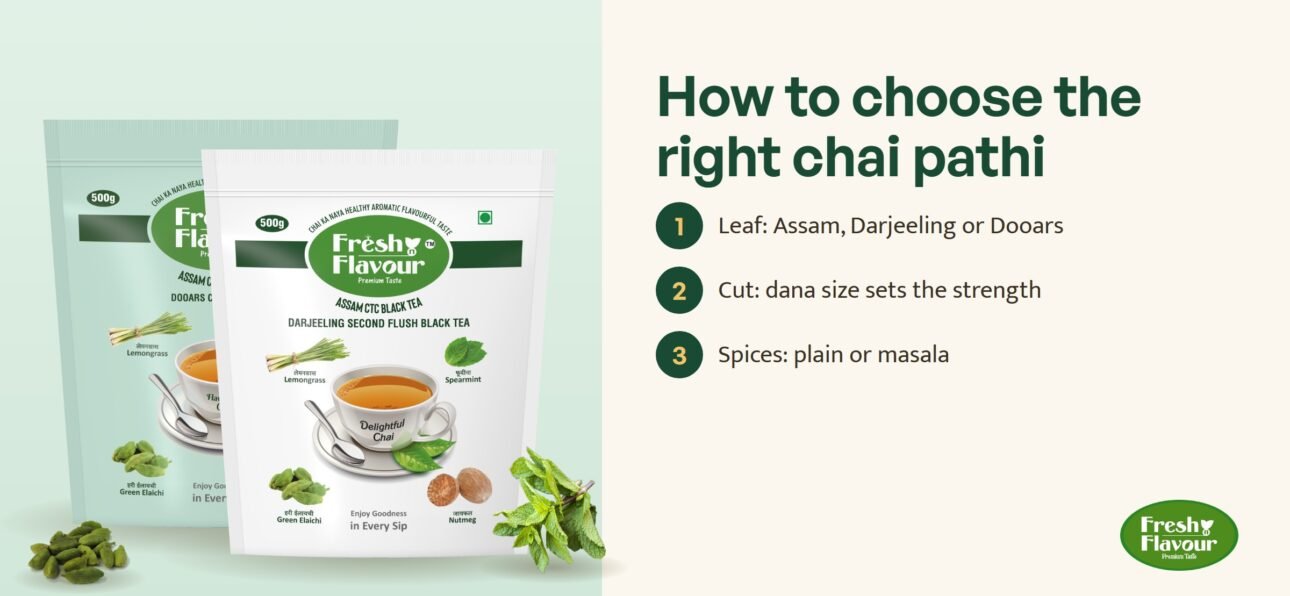
Picking the right chai pathi can feel overwhelming with so many blends, cuts and strengths lining store shelves today. The right chai pathi depends on three things: the tea cut, the spice blend, and how strong you like your cup with milk.
As autumn settles over Gujarat with its pleasant 22-32°C mornings and Navratri festivities around the corner, this is prime chai season. Family gatherings, garba nights and festive breakfasts all call for a reliable cup — and that starts with choosing the right chai pathi.
This guide walks through everything that goes into a good chai pathi — from the tea leaf itself to the whole spices blended in. We’ll also show you how Fresh n Flavour approaches this in its own blends. For background on India’s tea-growing regions, see the Tea Board of India.
What Is Chai Pathi?
Chai pathi simply means loose tea leaves used to brew chai — the base ingredient before milk, water and spices are added. It can be plain black tea or pre-blended with spices like cardamom, ginger or lemongrass.
The Basic Building Block
Every cup of chai starts with pathi — the dried, processed tea leaf. In India, this is almost always Assam CTC Tea, prized for its strong colour and brisk body when boiled with milk.
Some chai pathi is left plain, letting the drinker add their own spices at home. Others, like Fresh n Flavour’s range, come pre-blended with real whole spices so every cup has consistent flavour.
Why Quality of Chai Pathi Matters
A poor-quality chai pathi often means tea dust or fannings that turn bitter quickly, or a blend diluted with artificial flavouring. Fresh, whole-leaf CTC pathi with real spices gives a rounder, more aromatic cup every single time.
This is where brands matter. Fresh n Flavour chai pathi uses Assam and Darjeeling CTC teas with whole spices rather than powders or extracts.
Try it yourself
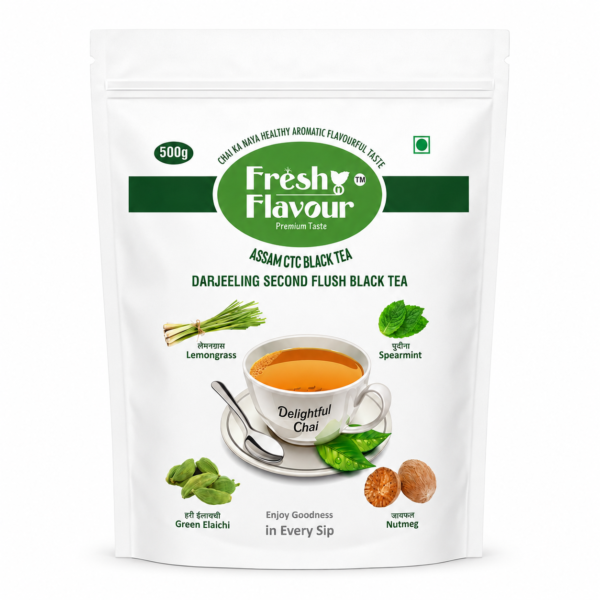
Delightful Chai
Delightful Chai Patti Online — Delightful blends Assam CTC with Darjeeling Second Flush, lemongrass & botanicals. The best…
(incl. GST)
Shop now →How Do You Choose the Right Chai Pathi?
Choosing the right chai pathi means matching the tea’s strength and spice profile to how you drink chai — strong and milky, light and aromatic, or spiced for a festive occasion. Start by deciding your preferred strength, then pick spices that suit your mood.
Consider Your Daily Routine
If you drink chai multiple times a day, a milder chai pathi with lemongrass and mint works better than a heavily spiced one. This is exactly why Delightful Chai was created.
It blends Assam CTC, Darjeeling Second Flush, Lemongrass, mint, green Cardamom and nutmeg — a combination designed for everyday drinking that stays light on the palate.
Match the Pathi to the Occasion
Festive mornings during Navratri or a Karva Chauth evening chai call for something richer — think saffron, cardamom or rose. Regular weekday mornings usually call for something simpler and brisk.
- Daily use: Lighter blends with lemongrass or mint
- Festive occasions: Saffron, rose or chocolate-forward blends
- Strong kadak chai lovers: Pure Assam-heavy pathi with minimal spice
- Evening comfort cup: Ginger and cardamom blends
One detail only a blender can tell you: in Fresh n Flavour’s Delightful and Flavourful chai pathi, the lemongrass, cardamom and mint work together to buffer the acidity of the tea, giving a smoother cup even after a strong boil.
CTC vs Orthodox Chai Pathi: Which Should You Pick?
CTC chai pathi gives a stronger, maltier cup that holds up well with milk and sugar, while orthodox tea offers a lighter, more delicate character. Most Indian households prefer CTC pathi specifically because it brews fast and stays strong even after boiling with milk.
Understanding the Difference
CTC stands for Crush, Tear, Curl — a processing method that breaks tea leaves into small, dense pellets. This method was refined significantly in Assam tea gardens through the early 20th century, as detailed in Harold H. Mann’s 1918 study on the early history of the Assam tea industry.
Orthodox tea, by contrast, keeps leaves whole or lightly rolled, producing a more delicate, layered flavour that suits black tea drinkers more than milk-chai lovers.
A Quick Comparison Table
| Chai Pathi Type | Strength | Best With | Brew Time | Fresh n Flavour Example |
|---|---|---|---|---|
| CTC Assam | Strong, malty | Milk, sugar | 3-4 minutes | Strong & Tasteful Chai |
| Darjeeling Orthodox Blend | Light, aromatic | Light milk or black | 2-3 minutes | Darjeeling Fusion CTC |
| Spiced CTC (lemongrass/mint) | Mild, smooth | Everyday milk chai | 3-4 minutes | Delightful Chai |
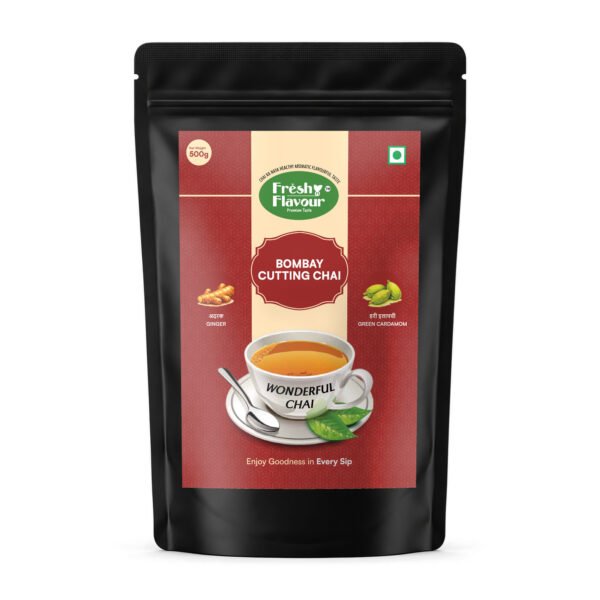
| Ginger-forward CTC | Bold, brisk | Street-style cutting chai | 4-5 minutes | Bombay Cutting Chai |
| Herbal CTC blend | Medium, earthy | Evening cup | 4 minutes | Ayurvedic CTC Chai |
For most Indian households, a CTC-based chai pathi remains the practical choice because it brews fast and holds its character through a full boil with milk.
Try it yourself
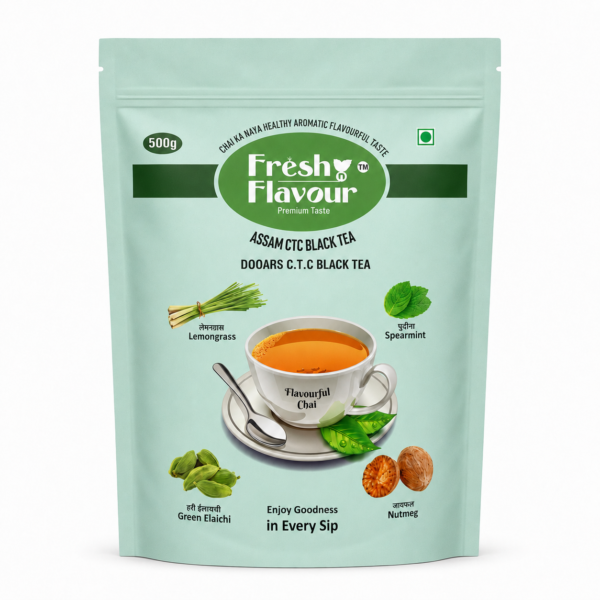
Flavourful Chai
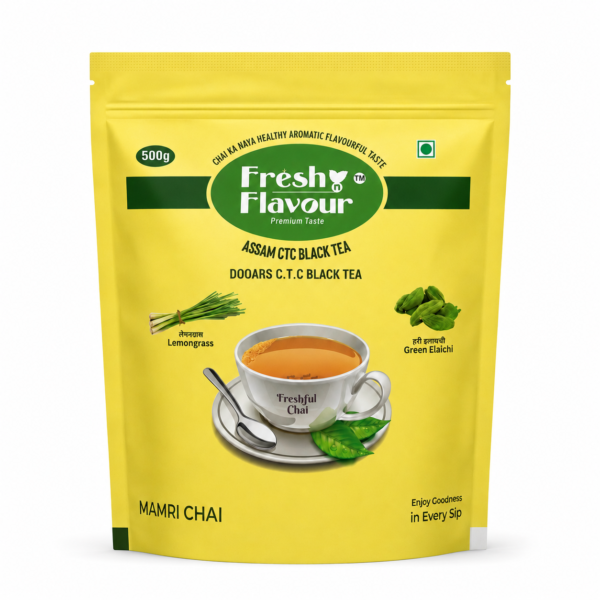
★★★★★ (3)Flavourful chai patti online — bold Dooars CTC base blended with lemongrass, spearmint and exotic spices. Premium chai…
(incl. GST)
Shop now →Why Does Spice Blend Matter in Chai Pathi?
The spice blend in chai pathi determines aroma, aftertaste and how the cup feels going down — some spices add warmth, others add brightness, and the right combination changes the entire drinking experience. This is why pre-blended pathi often outperforms adding spices separately at home.
Common Spices Found in Chai Pathi
Ginger adds sharpness and warmth, making it popular in street-style cutting chai. Cinnamon brings a gentle sweetness, often paired with cocoa in dessert-style chai pathi.
Nutmeg and mace add depth without overpowering the tea, while Tulsi and black pepper give herbal blends their characteristic bite. Each spice plays a specific role rather than being tossed in randomly.
Why Pre-Blended Pathi Often Tastes Better
Measuring whole spices at home every single day is inconsistent — too much ginger one day, none the next. Pre-blended chai pathi solves this by locking in the exact ratio in every batch.
This consistency is one reason the Fresh n Flavour range includes 14 distinct recipes, each with a fixed spice ratio, rather than leaving customers to guess proportions at home.
According to botanical records in Sir J.D. Hooker’s Flora of British India (1872-1897), cardamom and ginger have long grown alongside tea regions, which explains why these pairings became a natural part of Indian chai pathi traditions over generations.
Spice Blends for Specific Moods
A chocolate-cardamom chai pathi suits a dessert-style evening cup, while a tulsi-ginger blend suits a cooler morning. Matching spice character to the time of day makes the cup feel more intentional.
- Morning: Lemongrass, mint, cardamom for a light start
- Afternoon: Ginger, black pepper for an energising cup
- Evening: Cinnamon, cocoa, cardamom for comfort
- Festive: Saffron, rose, pistachio for celebration
Which Chai Pathi Should You Pick?
If you want an everyday cup that’s smooth without heaviness, Delightful Chai is the right chai pathi — its lemongrass, cardamom and mint buffer the acidity of the tea for a smoother cup.

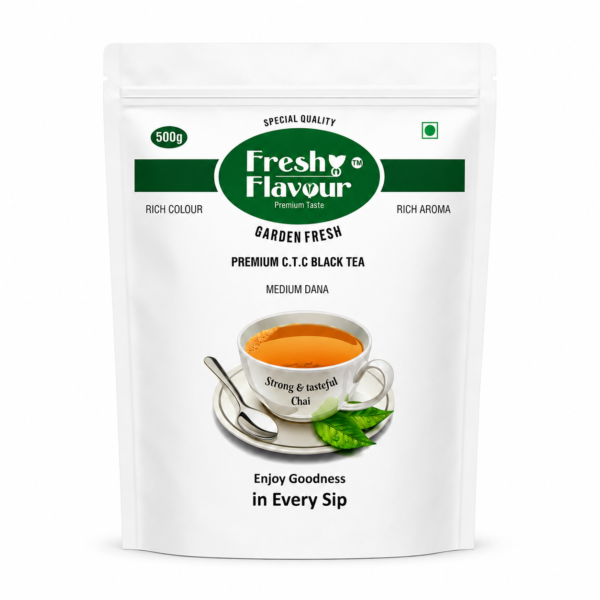
If you want a stronger, more traditional kadak cup, Strong & Tasteful Chai Medium Dana delivers that bold Assam-Darjeeling character without added spice. It’s not the right pick if you prefer a milder, aromatic chai pathi.
For festive mornings this Navratri or Karva Chauth, Shahi Kesar CTC Chai brings saffron, pistachio and almonds for a richer, celebratory cup worth serving to guests.
If you’re new to spiced chai pathi and unsure where to start, Fresh n Flavour’s Daily Trio combo lets you sample three different styles before committing to one as your everyday choice.
Whichever you choose, remember the brand’s own promise: Enjoy Goodness in Every Sip — a line that reflects the care that goes into every blend.
Shop the blends in this guide
Frequently Asked Questions
Try it yourself
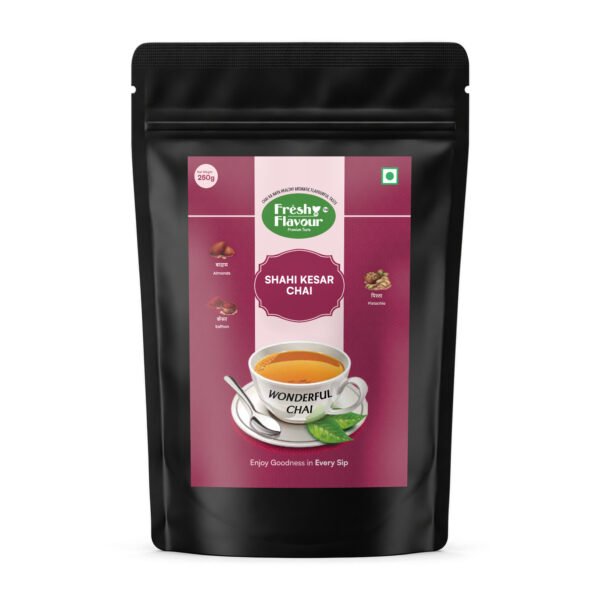
Shahi Kesar CTC Chai
Kesar chai patti online — Shahi Kesar blends saffron, almond & pistachio with Assam CTC base. India's royal…
(incl. GST)
Shop now →