

At a glance
A chai pati name usually tells you three things at once: the tea origin (Assam, Darjeeling or Dooars), the leaf grade (CTC, Orthodox or Dust), and sometimes the spice blend added to it. It is a shorthand for what is actually inside the pack.
- Chai pati names vary so much: Chai pati names vary because tea gardens, leaf grades, spice additions and regional drinking habits all differ across India.
- Read a chai pati name on the pack: Reading a chai pati name correctly means checking the tea origin, the grade (CTC or Orthodox), the pack weight, and the ingredient list printed on the back.
- Comparing popular chai pati name: Here is a direct comparison of some well-known Fresh n Flavour chai pati name options, so you can match strength, aroma and best time of day to your own cup.
- Picking your chai pati name: Match the chai pati name to your actual drinking habit rather than the prettiest pack.
Every tea shelf in India is crowded with packets, and each one carries a different chai pati name promising a stronger, tastier or more aromatic cup. If you have ever stood confused in front of these options, this buyer’s guide is for you.
With Navratri and Dussehra around the corner, chai pati sales pick up fast across Gujarat and the rest of India. Guests drop in, festive mornings start early, and everyone wants a cup that tastes right. Picking the correct chai pati name matters more during this season than any other.
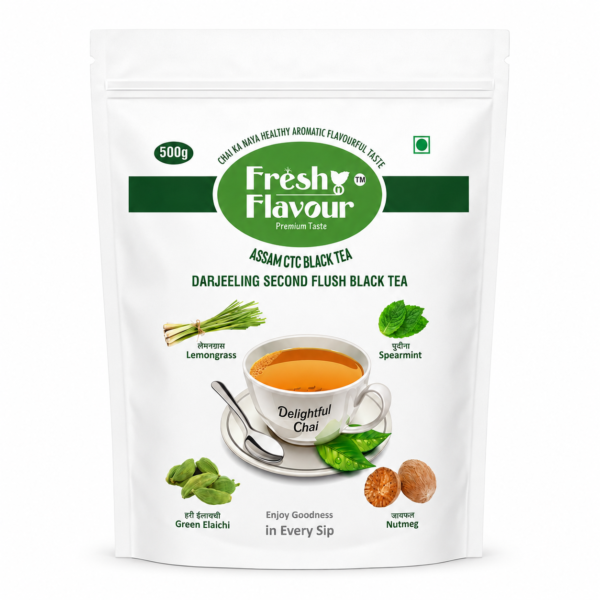
Fresh n Flavour makes this choice simpler with 14 distinct blends instead of one generic chai pati name. One of the easiest places to start is Delightful Chai, a 500g blend of Assam CTC and Darjeeling Second Flush tea lifted with lemongrass, mint, cardamom and nutmeg.
Mentioned in this guide
Delightful Chai Patti Online — Delightful blends Assam CTC with Darjeeling Second Flush, lemongrass & botanicals. The best…
250 g ₹450 · 500 g ₹650 ₹899
What Does Chai Pati Name Actually Mean?
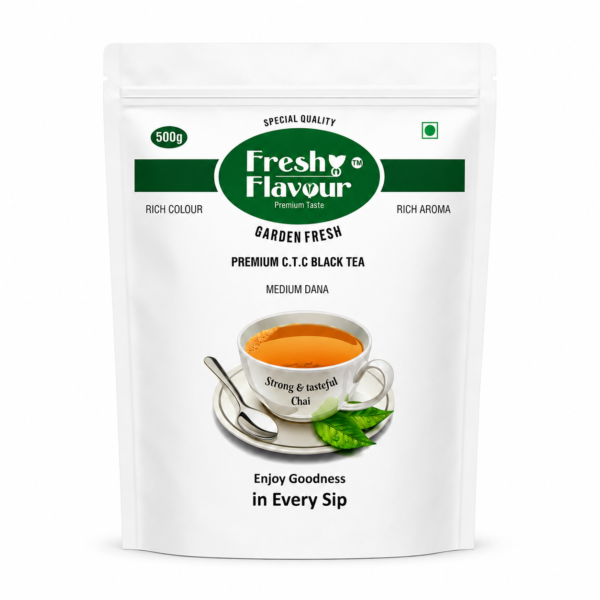
In most Indian kitchens, “chai pati” simply means loose tea leaves, as opposed to tea bags. The name on the packet is meant to help you judge strength, aroma and how the tea will behave once boiled with milk and water.
CTC vs Orthodox in the Chai Pati Name
CTC stands for Crush, Tear, Curl — a processing method that creates small, tightly rolled granules. These brew fast and give a strong, dark cup, which is why most Indian masala chai recipes depend on CTC tea.
Orthodox tea leaves are rolled whole or lightly twisted, giving a lighter colour but a more layered aroma. Assam Royal Chai blends both CTC and Orthodox Assam tea for this reason.
Why the Region Matters in a Chai Pati Name
Assam CTC Tea gives a bold, malty base, while Darjeeling Tea contributes a lighter, more floral note. Many chai pati names combine both regions to balance strength with aroma, which is exactly the approach Fresh n Flavour takes across its blends.
Why Do Chai Pati Names Vary So Much?
Chai pati names vary because tea gardens, leaf grades, spice additions and regional drinking habits all differ across India. A Kolkata cutting chai pati name will read very differently from a Gujarati masala chai pati, even if both use Assam CTC as a base.
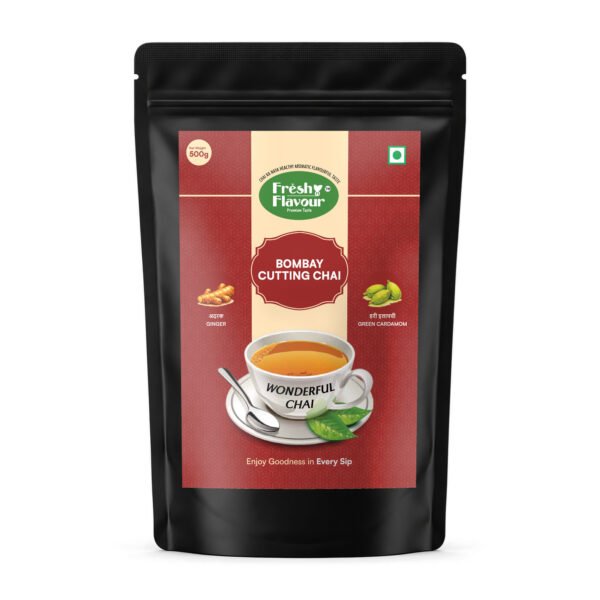
Street vendors in Mumbai favour a strong, gingery mix, which is reflected in blends like Bombay Cutting Chai. Kolkata’s version leans heavier on Ginger and nutmeg, closer to Calcutta Street CTC Chai.
Historical records show that spice blending in Indian households was never standardised. Masala chai traditions documented on Wikipedia confirm that recipes shifted from region to region and household to household for over a century.
Festive Chai Pati Names for October
During Navratri and Dussehra, many households switch to richer, more fragrant blends for guests. Shahi Kesar CTC Chai with saffron, pistachio and almond suits this festive mood well.
Everyday Chai Pati Names for October Weather
Pleasant 22-32°C autumn weather calls for a cup that is neither too heavy nor too light. This is where a smoother, rounder cup like Delightful Chai earns its place at the breakfast table.
How Do You Read a Chai Pati Name on the Pack?
Reading a chai pati name correctly means checking the tea origin, the grade (CTC or Orthodox), the pack weight, and the ingredient list printed on the back. These four details tell you exactly what you are buying before you even open the pack.
Start with the origin. If the chai pati name mentions only “Assam,” expect a strong, malty base. If it mentions “Darjeeling,” expect a lighter, more aromatic cup with less bitterness.
Next, check the grade. CTC chai pati names brew darker and faster, ideal for milk-heavy Indian chai. Orthodox grades need slightly longer brewing and give a more delicate finish.
Spice Clues in the Chai Pati Name
Many chai pati names also list spices directly, such as “ginger,” “cardamom” or “tulsi.” These tell you the flavour direction before you even brew a cup. Cardamom gives a sweet, floral lift, which is why Fresh n Flavour uses it generously in Flavourful and Delightful Chai.
Pack Size Clues
A 500g chai pati name pack usually suits daily household use, while 250g packs work well for trying a new blend or for gifting during the festive season. Fresh n Flavour offers both formats across its 14 blends.
According to the historical account in Harold H. Mann’s 1918 study of Assam tea cultivation, early planters graded leaf by size and texture long before packaged branding existed — the same logic still shapes how a chai pati name is written today (as documented in Harold Mann’s 1918 study of Assam tea).
Comparing Popular Chai Pati Name Options
Here is a direct comparison of some well-known Fresh n Flavour chai pati name options, so you can match strength, aroma and best time of day to your own cup.
| Chai Pati Name | Base Tea | Flavour Notes | Best Time |
|---|---|---|---|
| Delightful Chai | Assam CTC, Darjeeling Second Flush | Lemongrass, mint, cardamom, nutmeg | Morning or evening |
| Strong and Tasteful Chai | Premium Assam and Darjeeling CTC | Bold, kadak, no added spice | Early morning |
| Bombay Cutting Chai | Assam and Darjeeling CTC | Ginger, green cardamom | Street-style anytime |
| Shahi Kesar CTC Chai | Assam, Darjeeling, Assam Orthodox | Saffron, pistachio, almond | Festive evenings |
| Tulsi Ginger CTC Chai | Assam and Darjeeling CTC | Ram Tulsi, ginger, black pepper | Rainy or cool evenings |
What Makes Delightful Chai Different
In Delightful Chai, lemongrass, cardamom and mint buffer the acidity of the tea for a smoother, rounder cup. This exact combination is printed on the pack and is unique to the Delightful and Flavourful recipes.
Mamri Dana: A Different Cut Entirely
Freshful Chai Mamri Dana uses a rounder, pellet-style cut rather than standard CTC granules. This changes how quickly the leaf releases colour and strength during boiling, giving a steadier brew with less bitterness.
Which Chai Pati Name Should You Pick?
Match the chai pati name to your actual drinking habit rather than the prettiest pack. If you want a smoother, rounder cup without sharp bitterness, choose Delightful Chai or Flavourful Chai.
Our pick
Delightful Chai Patti Online — Delightful blends Assam CTC with Darjeeling Second Flush, lemongrass & botanicals. The best…
250 g ₹450 · 500 g ₹650 ₹899
- Want the strongest possible morning cup? Pick Strong and Tasteful Chai Medium Dana for a bold, no-nonsense kadak brew.
- Want a smoother, rounder everyday cup? Delightful Chai or Freshful Chai Mamri Dana suit daily drinking well.
- Hosting guests this Navratri? Shahi Kesar CTC Chai or Rose Mulethi CTC Chai add a festive, aromatic touch.
- Prefer a street-style spiced cup? Bombay Cutting Chai or Calcutta Street CTC Chai bring that stall-style character home.
If you already prefer very strong, no-frills tea without any spice, Delightful Chai is not the right pick — go for Strong and Tasteful instead. For everything else, Delightful Chai is a dependable daily choice.
New to the Fresh n Flavour range? Start with the 250g size to taste before committing to a 500g pack for regular use. The brand’s tagline, Enjoy Goodness in Every Sip, reflects exactly this everyday approach to chai.
Trying more than one chai pati name at once also helps you compare properly. The Daily Trio combo packs Delightful, Flavourful and Assam Royal Chai together for exactly this kind of comparison.
Shop the blends in this guide
Frequently asked questions
What does chai pati name mean on a tea packet?
A chai pati name usually describes the tea’s origin, grade and sometimes added spices, such as Assam CTC or Darjeeling blend with cardamom. It helps buyers judge strength, aroma and brewing style before purchase, much like reading a recipe label.
How do I choose the right chai pati name for daily use?
Check whether the chai pati name lists CTC or Orthodox tea, note the region (Assam or Darjeeling), and read the spice list. For a smoother, rounder daily cup, a blend like Delightful Chai with cardamom and mint works well.
Is CTC or Orthodox chai pati name better for masala chai?
CTC chai pati names brew faster and give a stronger, darker cup, making them better suited to milk-heavy masala chai. Orthodox leaves brew lighter and are better enjoyed with less milk and a longer steep.
Does chai pati name indicate pack size too?
Yes, most chai pati names are printed alongside the pack weight, commonly 250g or 500g. A 500g pack suits daily household drinking, while 250g packs are convenient for trying new blends or for festive gifting.
Why do different regions use different chai pati names?
Regional tastes shaped chai pati names over decades — Mumbai favours ginger-forward cutting chai, Kolkata leans on nutmeg and ginger, while Gujarat often prefers a milder, aromatic cup, reflected in blends like Delightful Chai.