

At a glance
People switch chai brands in October mainly for two reasons: festive entertaining needs a better cup to serve guests, and the autumn weather makes a fragrant, warming chai more appealing than whatever was in the jar all monsoon.
- Should you check before switching: Before switching chai brands, check three things on the pack: the tea type (CTC, orthodox or a blend of both), the leaf origin (Assam, Darjeeling or…
- CTC vs orthodox vs blended: The table below compares three common chai styles on strength, aroma and who they typically suit, so you can match a style to your household before switching chai brands.
- Avoid wasting money on a new chai: To avoid wasting money when switching chai brands, buy the smallest trial pack first, brew it exactly per the recommended ratio, and judge it over…
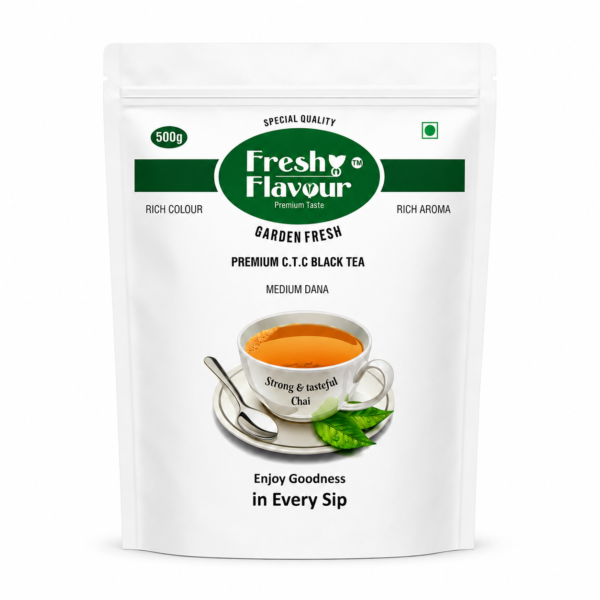
- Picking your chai: If you want the strongest possible morning cup with no added spice, choose Strong & Tasteful Chai Medium Dana.
Switching chai brands is a common festive-season move, especially around Navratri and Diwali when kitchens restock pantry staples. But switching chai brands without a plan often means an unopened pack gathering dust because the taste, strength or aroma did not match what you expected.
This guide gives you a practical way to compare chai brands before you buy, so your next pack actually gets finished — not abandoned after two cups. We will look at leaf grade, blend composition, cut size and value per cup.
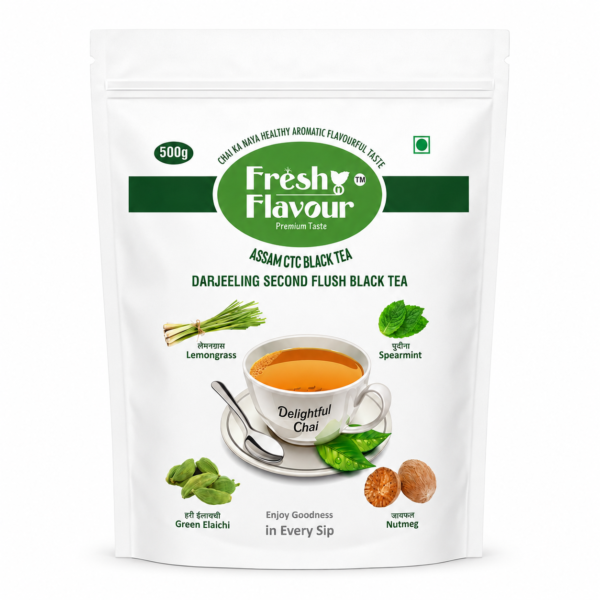
If you are currently drinking a single-note masala chai at home and want more variety without buying five separate tins, Fresh n Flavour offers 14 distinct blends in one range, including the Delightful Chai, which pairs Assam CTC with Darjeeling Second Flush, lemongrass, mint, green cardamom and nutmeg.
Mentioned in this guide
Delightful Chai Patti Online — Delightful blends Assam CTC with Darjeeling Second Flush, lemongrass & botanicals. The best…
250 g ₹450 · 500 g ₹650 ₹899
Why Are People Switching Chai Brands This Season?
Navratri fasting routines, Karva Chauth mornings and Dussehra gatherings all put chai at the centre of the table. A plain, flat-tasting blend does not hold up well when you are serving it to visiting family.
Festive Gifting Pushes People to Try New Blends
Diwali hampers often include a tea tin, and that first unfamiliar pack is frequently how someone discovers a brand they end up switching to permanently. This is one of the lowest-risk ways to sample a new blend.
Weather Changes Taste Preferences
As temperatures settle into the pleasant 22-32°C range typical of Sharad autumn, many households want a rounder, spiced cup rather than a sharp, bitter one. That shift alone drives a lot of brand switching every October.
What Should You Check Before Switching Chai Brands?
Before switching chai brands, check three things on the pack: the tea type (CTC, orthodox or a blend of both), the leaf origin (Assam, Darjeeling or Dooars), and whether whole spices are listed by name rather than as a vague “masala” mix.
These three details tell you more about the final cup than any marketing line on the front of the pack.
Tea Type and Leaf Origin
Assam CTC Tea gives a brisk, malty, strong cup that holds up well with milk — this is the backbone of most Indian chai. Darjeeling Tea adds a lighter, more aromatic note when blended in.
Harold H. Mann’s 1918 study of the early Assam tea industry documented how the region’s climate and soil produced the strong, full-bodied leaf that still defines Indian chai today (as documented in Harold Mann’s 1918 study of Assam tea).
Spice List Transparency
A pack that names its spices — green cardamom, ginger, nutmeg — tells you exactly what aroma to expect. A pack that just says “chai masala” leaves you guessing until you brew it.
- Check if the tea is CTC (strong, quick-brewing) or orthodox (lighter, twisted leaf)
- Look for named spices, not generic “flavouring”
- Note the pack size — 250g for trial, 500g or 1kg for regular use
- Compare cut size — fine dust brews fast but can turn bitter if over-boiled
CTC vs Orthodox vs Blended: A Comparison Table
The table below compares three common chai styles on strength, aroma and who they typically suit, so you can match a style to your household before switching chai brands.
| Style | Strength | Aroma Profile | Best Time of Day | Fresh n Flavour Example |
|---|---|---|---|---|
| CTC | Strong, brisk | Malty, bold | Morning | Strong & Tasteful Chai Medium Dana |
| Blended CTC with spices | Medium, rounded | Citrusy, floral, warm | Morning or evening | Delightful Chai |
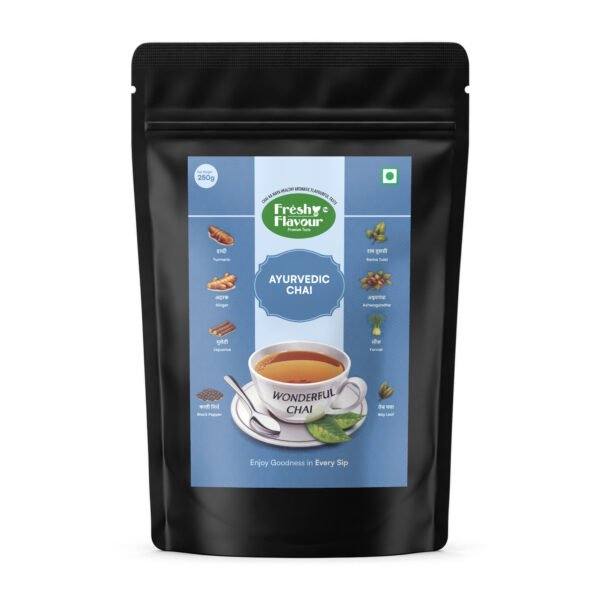
| Herbal-spiced CTC | Mild to medium | Earthy, herbal | Evening | Ayurvedic CTC Chai |
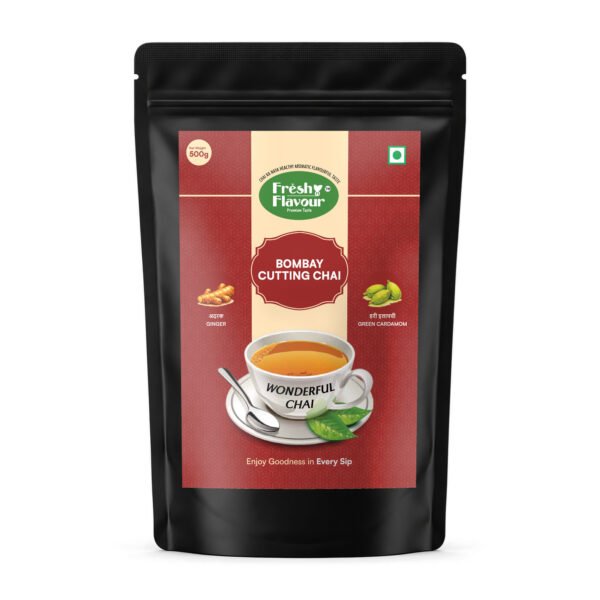
| Masala street-style | Strong, spiced | Peppery, gingery | Monsoon/winter evenings | Bombay Cutting Chai |
This kind of side-by-side view is exactly what to look for when switching chai brands — it stops you buying on packaging alone.
How Do You Avoid Wasting Money on a New Chai?
To avoid wasting money when switching chai brands, buy the smallest trial pack first, brew it exactly per the recommended ratio, and judge it over three to four cups rather than one rushed morning brew.
A single bad cup often comes from over-boiling or wrong water-to-milk ratio, not a bad blend. Give any new chai a fair trial before writing it off.
Start Small Before Committing to a Bulk Pack
A 250g trial pouch costs less to test than jumping straight to a 1kg bag. Fresh n Flavour sells several blends in 250g sizes specifically so new buyers are not fully switching chai brands on a hunch.
If you like a smoother, rounder cup without the sharp bitterness some CTC blends carry, the Delightful Chai is worth comparing directly against your current pack.
What Makes Delightful Chai Different to Compare Against
In Delightful Chai, lemongrass, cardamom and mint buffer the acidity of the tea, for a smoother, rounder cup.
Lemongrass brings a citrus, grassy aroma to the cup, which is one reason Fresh n Flavour uses it across both Delightful and Flavourful Chai. It is a distinctive note most mass-market blends skip entirely.
Comparing Blend Variety, Not Just One Pack
One advantage worth weighing when switching chai brands is variety. Fresh n Flavour runs 14 distinct recipes — from Chocolate CTC Chai to Shahi Kesar CTC Chai — so a household can rotate blends instead of settling for one flavour at home.
For festive weeks ahead, pairing a trial pack with a gifting bundle makes sense. The Diwali Special Delightful Chai bundle includes a free Flavourful Chai sample, useful for comparing two blends at once.
According to the Tea Board of India, leaf grade and origin are the biggest factors behind cup quality variation across Indian tea brands — more influential than packaging or price alone.
Which Chai Should You Pick?
If you want the strongest possible morning cup with no added spice, choose Strong & Tasteful Chai Medium Dana. If you want a smoother, rounder cup with citrus and floral notes, Delightful Chai or Freshful Chai Mamri Dana fit better.

Our pick
Delightful Chai Patti Online — Delightful blends Assam CTC with Darjeeling Second Flush, lemongrass & botanicals. The best…
250 g ₹450 · 500 g ₹650 ₹899
If your household leans toward spiced street-style chai in the evenings, Bombay Cutting Chai or Calcutta Street CTC Chai deliver that ginger-forward, peppery profile. Neither is the right pick if you prefer a milder cup.
For festive entertaining with a golden colour and floral aroma, Shahi Kesar CTC Chai stands out — but skip it if your guests prefer a classic malty cup without saffron notes.
Switching chai brands does not have to mean guessing. Match the blend to the occasion and time of day, and the new pack is far more likely to become a regular buy.
Whichever direction you lean, start with a 250g or single 500g trial before buying in bulk. That is the single biggest money-saver when switching chai brands this festive season.
Fresh n Flavour builds its range around this idea — Enjoy Goodness in Every Sip — with enough variety that switching chai brands within the same range is easy once you find a blend you like.
Shop the blends in this guide
Frequently asked questions
How often should I be switching chai brands?
There is no fixed rule, but festive seasons like Navratri and Diwali are a natural trigger point since gifting and entertaining introduce new blends. Many people also switch when their taste shifts with the weather, moving to warmer, spiced blends in autumn and winter.
What is the biggest mistake people make when switching chai brands?
Buying a large bulk pack before trying a small size first. A 250g trial pouch lets you judge strength, aroma and brewing behaviour without wasting money if the blend does not suit your household’s taste.
Does CTC or orthodox tea matter when comparing chai brands?
Yes. CTC leaf brews faster and gives a stronger, brisker cup suited to milk tea, while orthodox leaf is lighter and more aromatic. Checking which your current and new brand use helps set the right expectation before switching.
Is Delightful Chai a good starting point for switching chai brands?
It suits people wanting a smoother, rounder cup rather than a sharp, bitter one, since lemongrass, cardamom and mint buffer the acidity of the tea. It is a useful comparison pack against a plain CTC blend you currently use.
How do I compare value for money when switching chai brands?
Compare price per 100g rather than per pack, factor in pack size (250g, 500g or 1kg), and check whether bundles include a free sample pouch, which lets you trial a second blend at no extra cost.