

At a glance
The best black tea powder in India is a CTC (Crush-Tear-Curl) blend made from Assam CTC Tea or Darjeeling leaf, with a strong colour, brisk taste, and no stale or dusty smell when the pack is opened. It should brew a deep reddish-brown cup within two to three minutes.
- For everyday milk chai, choose CTC; orthodox leaf suits a lighter cup with little or no milk.
- Read the ingredient list: a named tea origin and real spices, not vague "flavouring".
- Leaf grade and garden origin change the cup more than the brand name does.
Finding the best black tea powder in India is harder than it sounds, because every grocery shelf is crowded with lookalike packets promising the same “kadak” cup. The real difference lies in the leaf grade, the garden it comes from, and whether whole spices are blended in or just flavour dust sprayed on top.
This festive season, as Navratri fasting tables and Dussehra family gatherings call for a reliable cup, picking the right chai patti matters more than usual. A good black tea base is what separates a forgettable cup from one guests actually ask about.
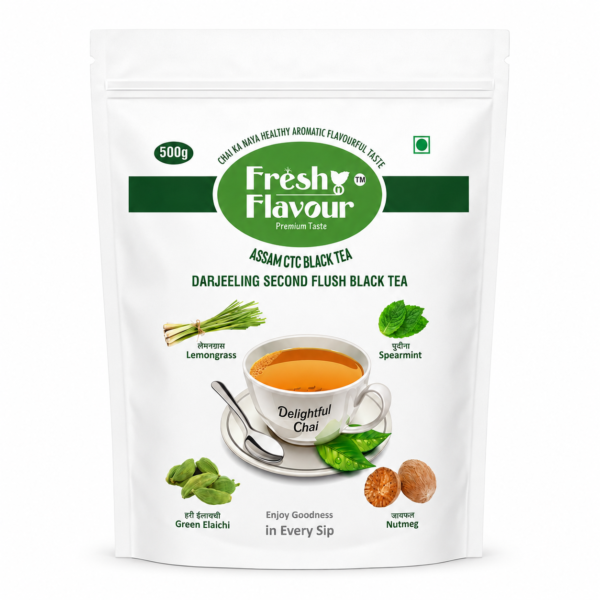
Fresh n Flavour prints every ingredient on the pack. Its Delightful Chai, for example, combines Assam CTC with Darjeeling second flush tea, lemongrass, spearmint, green cardamom and nutmeg.
Mentioned in this guide
Assam CTC + Darjeeling second flush, with lemongrass, spearmint, green cardamom and nutmeg.
250 g ₹450 · 500 g ₹750 ₹899
What Is the Best Black Tea Powder in India?
Leaf Grade Matters More Than the Brand Name
Tea leaf is graded by size and cut — whole leaf, broken leaf, fannings and dust. CTC powder sits between broken leaf and fannings, giving it a strong, quick-brewing character that suits milk tea far better than delicate orthodox leaf.
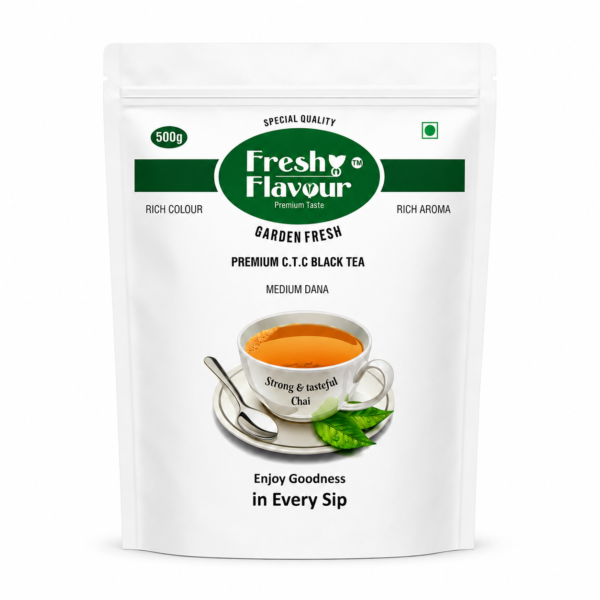
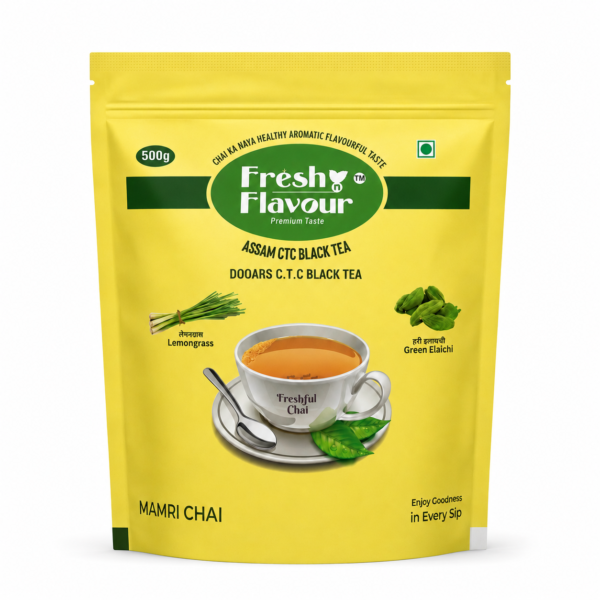
A good CTC pack should look uniform in granule size, not a mix of fine dust and large stems. Fresh n Flavour’s Freshful Chai uses a Mumri Dana cut, a slightly coarser granule that releases colour and strength more gradually, giving a smoother cup than ultra-fine dust teas.
Garden Origin Changes the Cup
Assam tea, grown in the Brahmaputra valley, gives a malty, full-bodied cup, while Darjeeling leaf adds a lighter, slightly floral top note. As Harold H. Mann documented in his 1918 study of Assam’s early tea gardens, the region’s climate and soil were identified by colonial planters as uniquely suited to producing strong, full-bodied leaf (as documented in Harold Mann’s 1918 study of Assam tea).
That historical finding still holds — most of what Indians call “strong chai” today traces back to Assam-origin leaf, which is why it anchors almost every Fresh n Flavour blend.
How Is Black Tea Powder Made?
Black tea powder is made by plucking two leaves and a bud, withering them to reduce moisture, then crushing, tearing and curling the leaf through rollers before oxidising and drying it. This CTC process creates small, dense granules that brew quickly and hold up well against milk and sugar.

From Garden to Granule
After plucking, leaves are spread out to wither for several hours, losing roughly a third of their moisture. They are then run through CTC rollers, which cut the leaf into uniform granules rather than leaving it whole, unlike orthodox processing.
The crushed leaf oxidises in a controlled, humid room for around 60-90 minutes, turning from green to a coppery brown. This step builds the malty depth and dark colour associated with the best black tea powder in India.
Finally, the oxidised granules are fired in hot-air dryers to lock in flavour and reduce moisture to a shelf-stable level, then sorted by size before packing.
Why Whole Spice Blending Beats Flavoured Dust
Many mass-market “elaichi” or “masala” teas simply spray synthetic flavour onto plain CTC dust. Fresh n Flavour instead blends in real Cardamom, Lemongrass, mint and nutmeg pieces alongside the tea granules, so every cup carries genuine aroma rather than an artificial top note that fades fast.
This is also the reason their Delightful Chai and Flavourful Chai recipes are built the way they are — both name lemongrass, spearmint, green cardamom and nutmeg on the pack.
CTC vs Orthodox: Which Should You Buy?
CTC tea is the right choice for everyday milk chai because it brews fast and holds its strength against milk and sugar, while orthodox leaf suits black tea drinkers who want a lighter, more nuanced cup without milk. Most Indian households reach for CTC specifically because of how it performs in a boiling pot of milk and water.
| Factor | CTC Tea | Orthodox Tea |
|---|---|---|
| Brewing speed | 2-3 minutes | 4-6 minutes |
| Best suited for | Milk chai, kadak chai | Plain or light milk tea |
| Taste profile | Strong, brisk, malty | Delicate, layered, floral |
| Granule appearance | Small, uniform pellets | Long, twisted whole leaves |
| Example from Fresh n Flavour | Strong & Tasteful Chai | Assam Royal Chai |
When CTC Makes Sense
If your daily routine involves boiling tea with milk, sugar and spices on the stove, CTC is simply more practical. It extracts colour and strength fast, which matters when you’re making chai for a houseful of Navratri guests in under five minutes.
When Orthodox Makes Sense
Orthodox leaf suits slower brewing — a kettle steep without milk, or a lighter evening cup. Fresh n Flavour’s Assam Royal Chai and Darjeeling Fusion CTC both blend in a touch of Assam Orthodox for extra depth, giving a middle ground between the two styles.
What Should You Check Before Buying Chai Patti?
Before buying any chai patti, check the ingredient list for real spice names rather than vague “flavouring,” look at the pack date for freshness, and confirm the tea origin is named, such as Assam or Darjeeling, rather than left unspecified. These three checks filter out most low-quality options quickly.
Read the Ingredient List Closely
A genuine blend will list whole spices by name — Ginger, cardamom, nutmeg, cinnamon — rather than hiding behind “natural flavouring” with no detail. Fresh n Flavour prints exact ingredients on every pack, from Assam CTC and Darjeeling Second Flush to the lemongrass and spearmint.
- Check for named tea origin (Assam, Darjeeling, Dooars) instead of generic “black tea”
- Look for whole spice pieces visible in the pack, not just powder
- Avoid packs with a strong artificial or chemical smell on opening
- Prefer smaller batch sizes if you’re trying a new blend for the first time
- Check granule consistency — uneven dust often means lower grade leaf
Match the Blend to Your Household’s Taste
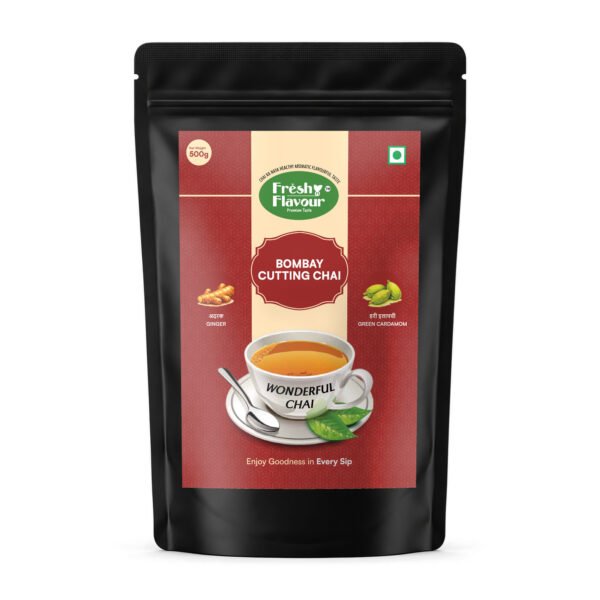
A family that likes a milder cup should lean toward Fresh n Flavour’s Delightful Chai or Flavourful Chai, both built to avoid the sharp acidity that puts off newer chai drinkers. Those wanting a stronger kick might prefer Bombay Cutting Chai or Calcutta Street CTC Chai, which lean into ginger and a bolder tea base.
For reference, you can read more about tea grading and classification on Wikipedia’s tea processing overview, which explains how CTC and orthodox methods diverge industrially.
Which Fresh n Flavour Blend Should You Pick?
If you want an everyday cup that avoids sharp acidity, choose Delightful Chai; if you prefer a stronger kadak cup, go for Strong & Tasteful Chai Medium Dana; and if you want a spiced street-style pour, pick Bombay Cutting Chai or Calcutta Street CTC Chai.

Our pick for milk chai
Assam CTC + Darjeeling second flush, with lemongrass, spearmint, green cardamom and nutmeg.
250 g ₹450 · 500 g ₹750 ₹899
For the Acidity-Sensitive Drinker
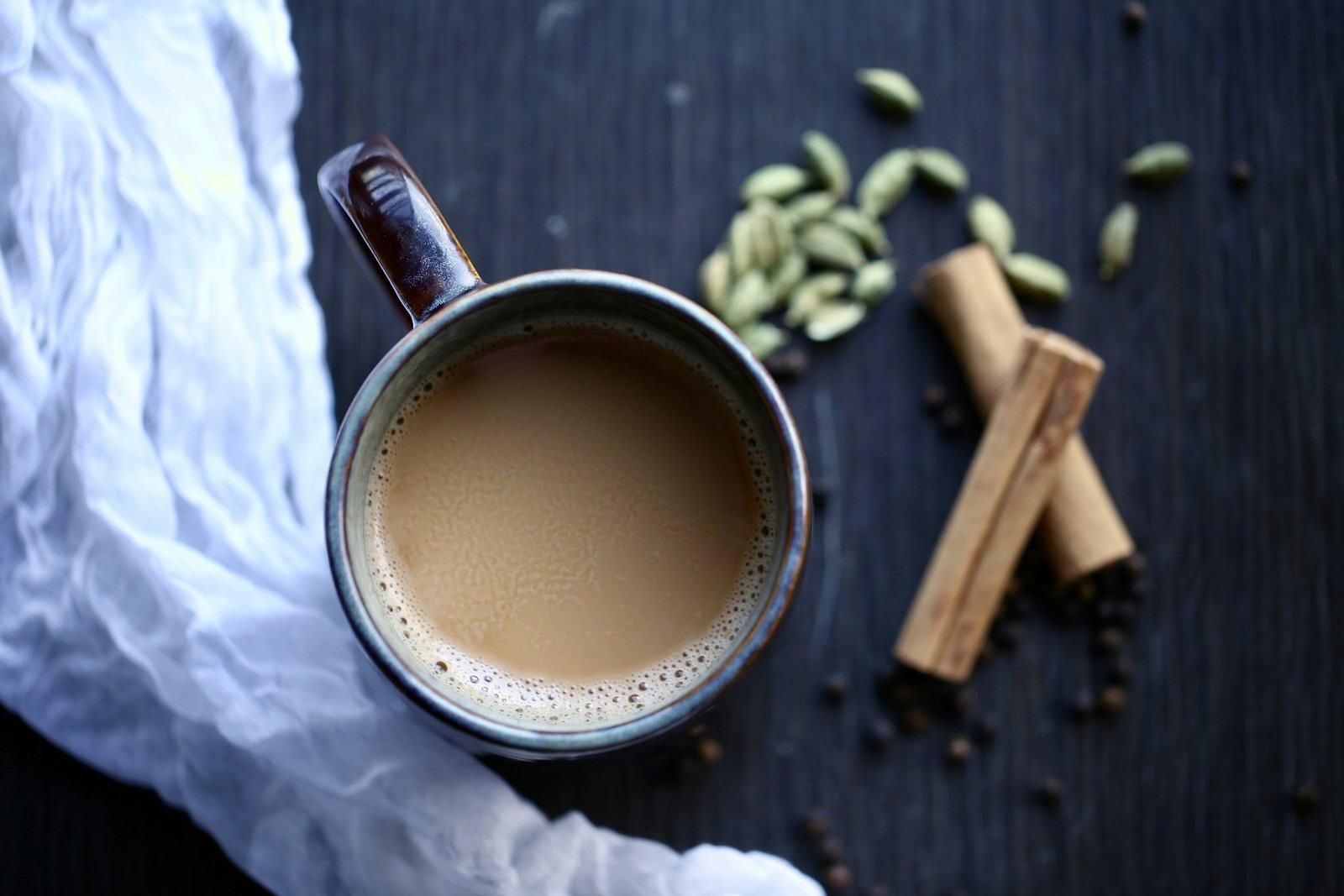
Delightful Chai uses Spearmint, lemongrass, cardamom and nutmeg alongside Assam and Darjeeling Second Flush leaf — the lemongrass and spearmint give the cup a light, aromatic finish.
This is not the right pick if you specifically want a sharp, no-frills kadak taste with no spice at all — in that case, Strong & Tasteful Chai Medium Dana is the better match.
For Festive Gifting This Season
With Navratri, Dussehra and Karva Chauth around the corner, a combo pack makes a thoughtful gift. The Daily Trio: Delightful + Flavourful + Assam Royal Chai Combo lets a household sample three distinct styles without committing to one.
If the recipient enjoys something festive and rich, the Festive Trio: Shahi Kesar + Chocolate + Rose Mulethi Chai Combo brings saffron, cocoa and rose petals into the mix for a celebratory cup.
Across all 14 recipes, Fresh n Flavour prints every ingredient on the pack, so you know exactly what is in your cup.
Shop the blends in this guide
Frequently asked questions
What is the best black tea powder in India for daily milk chai?
CTC tea from Assam, blended with a touch of Darjeeling leaf, works best for daily milk chai because it brews quickly and holds strength well. Fresh n Flavour’s Delightful Chai and Strong & Tasteful Chai are both built for this everyday use case.
How do I identify the best black tea powder in India at the store?
Check that the pack names its tea origin, lists whole spices rather than vague flavouring, and has a visible pack or best-before date. Uniform granule size and a fresh, malty smell on opening are good signs of quality.
Is CTC tea stronger than orthodox tea?
Yes, CTC tea generally brews faster and stronger because the crushing process exposes more surface area to water. Orthodox whole-leaf tea brews more slowly and gives a gentler, more layered cup, which suits plain tea drinkers better than milk chai lovers.
Does black tea powder expire?
Black tea powder doesn’t spoil the way fresh food does, but it loses aroma and strength over time, especially once opened. Store it in an airtight container away from sunlight and use within a year of the pack date for the best cup.
Can I mix spices into plain black tea powder myself?
You can, but matching proportions is tricky — too much ginger or cardamom can overpower the tea. Pre-blended options like Fresh n Flavour’s range list their spices on the pack, saving the guesswork of DIY spice blending at home.