


Table of Contents
If you have ever sipped a cup of lemongrass chai during this humid late-monsoon stretch and wondered where that citrusy freshness actually comes from, you are not alone. Where does lemongrass grow in India is a question more tea drinkers are asking as herbal and aromatic chai blends gain popularity across Indian kitchens. The short answer: mostly in the warm, humid belts of Kerala, Karnataka, Tamil Nadu, and parts of West Bengal and the Northeast, where the tropical climate mirrors lemongrass’s native Southeast Asian habitat.
Looking for the chai itself? See our lemongrass chai patti: three blends, with free shipping across India.
At Fresh n Flavour, we use this same fragrant grass in several of our hand-blended chai recipes, including the ever-popular Freshful Chai. Understanding where does lemongrass grow in India helps explain why the herb tastes the way it does in your cup — and why sourcing matters as much as the tea itself.
As Ganesh Chaturthi decorations go up and Navratri prep begins, many households are also swapping their everyday chai for lighter, aromatic blends that suit the still-sticky September weather. Lemongrass chai fits that transition perfectly.
Where Does Lemongrass Grow in India?
Lemongrass grows in India primarily across Kerala, Tamil Nadu, Karnataka, and parts of West Bengal, thriving in tropical and subtropical climates with high humidity and well-drained soil. It is cultivated both as a cash crop and as a companion plant near tea and spice gardens.
The Botanical Basics
Lemongrass (Cymbopogon citratus) is a perennial grass native to tropical Asia. It thrives in temperatures between 20°C and 33°C, which explains why so much of India’s late monsoon and early autumn weather — including this September’s 26-34°C humid spell — is ideal growing weather for it.
Sir J.D. Hooker’s botanical surveys in The Flora of British India (1872-1897) documented several aromatic grasses thriving across the subcontinent’s warmer belts, laying early groundwork for understanding how climate-sensitive plants like lemongrass adapted so well to Indian soil.
Why India Became a Natural Fit
India’s diverse agro-climatic zones mean lemongrass can be grown almost year-round in the south, while northern regions grow it seasonally. Farmers value it because it requires minimal irrigation once established and resists most pests naturally.
This resilience is one reason Lemongrass has become a staple in Indian herbal teas — it is abundant, fragrant, and easy to dry for long shelf life without losing its citrus punch.
Try it yourself
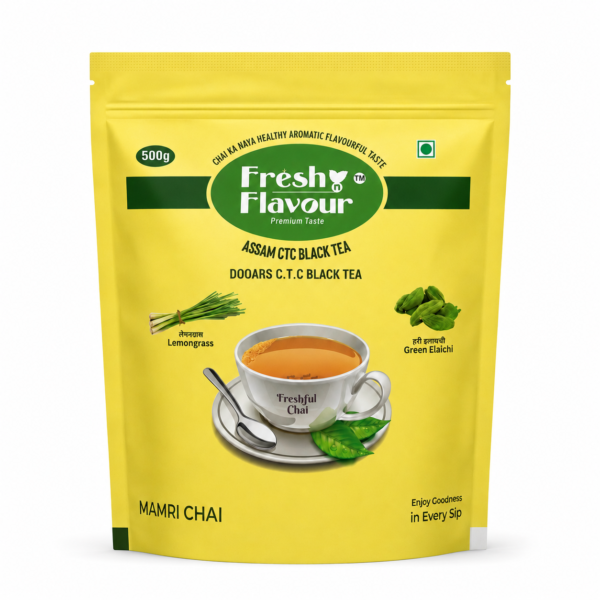
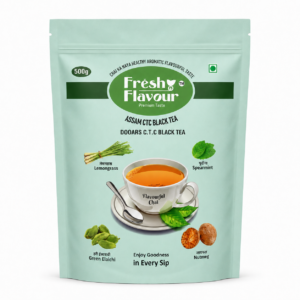
Freshful Chai
★★★★★ (17)Lemongrass chai patti — Premium chai patti online — Freshful blends Assam CTC with Dooars black tea, lemongrass…
(incl. GST)
Shop now →Which States Grow the Most Lemongrass?
Kerala and Tamil Nadu together account for the largest share of India’s cultivated lemongrass, followed by Karnataka, parts of West Bengal, and select districts in the Northeast. These states offer the humid, warm conditions lemongrass needs to develop its strongest citronella oil content.
Southern India: The Traditional Belt
Kerala’s Idukki and Wayanad districts have grown lemongrass alongside cardamom and pepper for generations. The same hilly, moisture-rich terrain that supports Cardamom plantations also suits lemongrass beautifully.
Tamil Nadu’s Nilgiris region follows a similar pattern, often intercropping lemongrass with tea bushes to make efficient use of hillside land.
Eastern and Northeastern Pockets
West Bengal and parts of Assam also cultivate lemongrass, often near tea estates. This proximity to Assam’s tea gardens is notable — it means lemongrass and Assam CTC Tea are frequently grown and processed in overlapping regions, making natural blending easier and more authentic.
- Kerala: largest cultivated area, hill-district grown
- Tamil Nadu: Nilgiris intercropping with tea
- Karnataka: growing commercial cultivation
- West Bengal: proximity to Dooars and Darjeeling tea belts
- Northeast India: smaller but expanding pockets near Assam
Why Does Climate Matter for Lemongrass Quality?
Climate directly determines the essential oil concentration in lemongrass, which is what gives it that sharp citrus aroma. Warmer, humid regions with 1500-2500mm annual rainfall consistently produce lemongrass with a stronger, more fragrant oil profile than drier zones.
Humidity and Aroma Intensity
Higher humidity encourages the plant to produce more citral, the compound responsible for lemongrass’s signature lemony scent. This is why lemongrass grown in Kerala’s monsoon-soaked hills often smells noticeably brighter than grass grown in drier inland areas.
Late monsoon months like September, when humidity lingers even as rainfall tapers, are actually considered a strong harvest window for many southern lemongrass farms.
Traditional Uses in Indian Kitchens
Long before lemongrass chai became popular in cafes, Indian households were adding aromatic botanicals to tea for both flavour and family tradition. Nineteenth-century spice-blending practices, as noted in The Indian Cookery Book (1880), reflect a long-standing Indian habit of layering herbs and spices into daily drinks rather than treating tea as a single-note beverage.
Lemongrass has long been used in Indian kitchens and is prized for its bright, citrus aroma and clean, grassy flavour. That fresh character makes it a popular addition to herbal blends and everyday chai.
Try it yourself
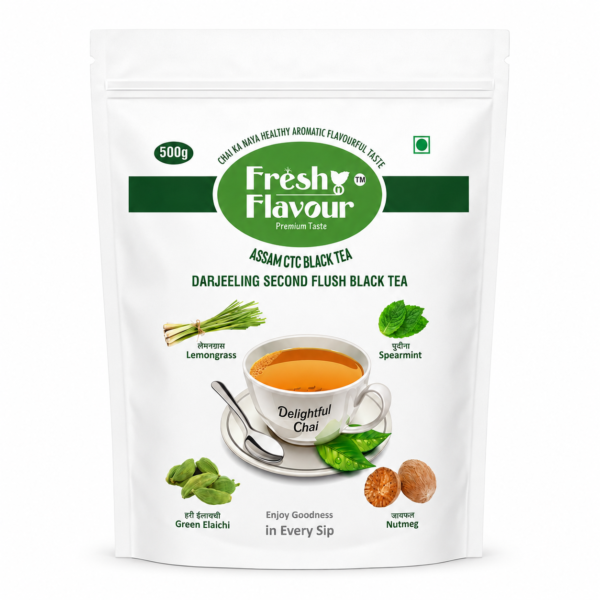
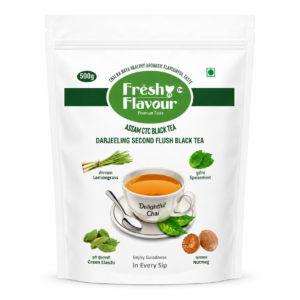
Delightful Chai
Delightful Chai Patti Online — Delightful blends Assam CTC with Darjeeling Second Flush, lemongrass & botanicals. The best…
(incl. GST)
Shop now →CTC Chai vs Orthodox Chai With Lemongrass
CTC (Crush, Tear, Curl) tea produces a stronger, quicker-brewing base that pairs well with bold additions like lemongrass, while orthodox tea offers a lighter, more delicate profile that lets subtle aromatics shine. Most Indian masala and herbal chai blends favour CTC for exactly this reason.
| Feature | CTC Tea | Orthodox Tea |
|---|---|---|
| Brew Strength | Strong, quick brewing | Milder, slower brewing |
| Best Paired With | Lemongrass, ginger, milk | Light florals, plain sipping |
| Typical Use | Everyday masala/herbal chai | Premium single-origin sipping |
| Fresh n Flavour Example | Freshful Chai, Delightful Chai | Assam Royal Chai |
| Best Time of Day | Morning, monsoon evenings | Afternoon quiet sipping |
Why Fresh n Flavour Chose CTC for Lemongrass Blends
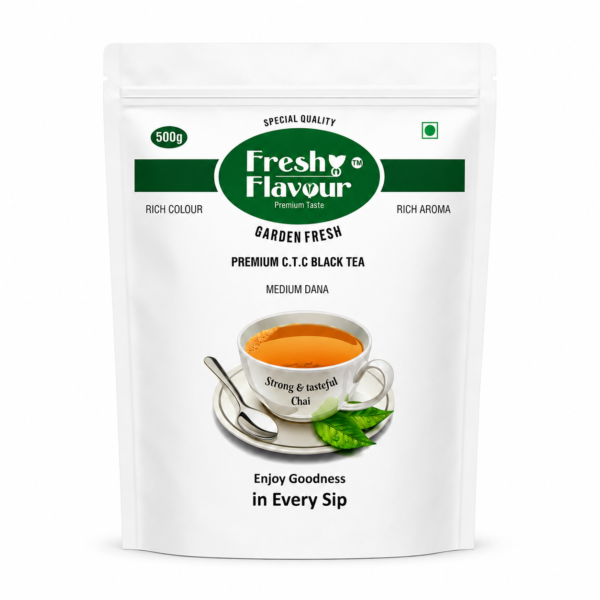
Our Freshful Chai uses a Mamri Dana cut of Assam and Dooars CTC, which is slightly coarser and rounder than standard CTC. This cut releases flavour more gradually, letting the lemongrass and cardamom notes come through without overpowering the tea base.
This is a detail only a blender who works with the leaf daily would know — the Mamri Dana granule shape changes how quickly essential oils from lemongrass infuse alongside the tea’s own tannins, giving a rounder, less bitter cup.
Which Fresh n Flavour Blend Should You Pick?
If you want a fresh, citrusy everyday chai with visible lemongrass character, choose Freshful Chai. If you prefer a slightly more layered profile with mint and nutmeg alongside lemongrass, Delightful Chai is the better pick.

Match Your Situation to a Blend
Consider these common scenarios before choosing:
- You want a light, aromatic monsoon-transition chai: go with Freshful Chai, built on Assam and Dooars CTC with lemongrass and cardamom.
- You want lemongrass plus a cooling mint edge: try Delightful Chai, which layers Darjeeling Second Flush with mint and nutmeg.
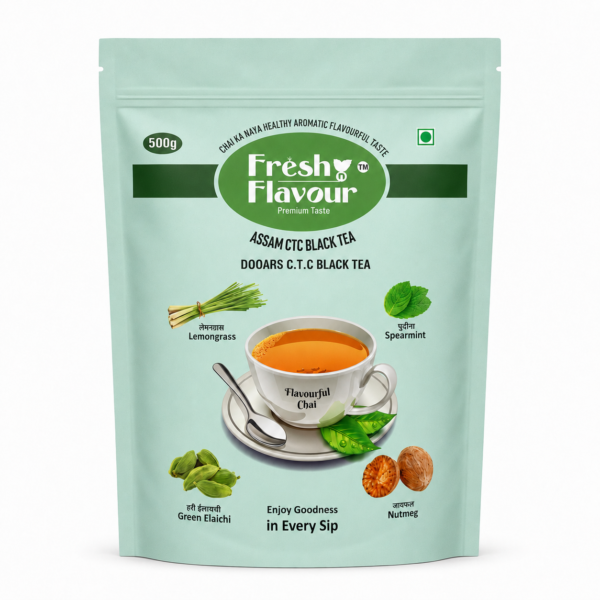
- You want bold, spice-forward lemongrass without dairy-heavy richness: Flavourful Chai uses a Dooars CTC base with lemongrass and spearmint for a sharper finish.
- You want a smoother milk tea: both Freshful and Delightful are acidity-free blends; lemongrass, cardamom and mint buffer the acidity of the tea, and nutmeg rounds off the sharpness you sometimes get from a plain CTC cup.
If you are simply curious about lemongrass and want to start small, Freshful Chai’s 500g pack is a practical everyday size to test the flavour across a couple of weeks before committing to other blends in the range.
Where does lemongrass grow in India ultimately shapes how fresh and citrusy your chai tastes, which is why Fresh n Flavour sources carefully rather than treating lemongrass as an afterthought. This attention to origin is part of what the brand means by Enjoy Goodness in Every Sip.
For deeper reading on lemongrass’s botanical classification and native range, see this overview from Wikipedia’s entry on Cymbopogon citratus, which documents its spread across South and Southeast Asia.
Whether you are prepping for Navratri gatherings or just want a lighter cup as the rains taper off, understanding where does lemongrass grow in India adds a little more appreciation to every sip of your next cup.
Shop the blends in this guide
Frequently Asked Questions
Try it yourself
Flavourful Chai
★★★★★ (3)Flavourful chai patti online — bold Dooars CTC base blended with lemongrass, spearmint and exotic spices. Premium chai…
(incl. GST)
Shop now →